During the first full day of sessions at the American Society of Safety Professionals’ Safety 2020 Virtual Conference and Expo, a panel on diversity and inclusion really stood out.
OH&S is excited to have Columbia Southern University (CSU) as our sponsor for this year’s Live From program for Virtual ASSP 2020. CSU is bringing you everything your safety career needs: certifications, training courses and other career information.

American Society of Safety Professionals has officially kicked off its fully virtual event bringing safety education, virtual exhibitor booths and digital networking opportunities to online attendees in just a few clicks.

Summer heat will affect everyone, but it will be particularly hard on those working in agriculture, spending long hours outside in the blistering temperatures.
Industrial workplaces already have many components that need to be in check to keep workers safe. Luckily, Avery Products Corporation, ID&C and PC/Nametag launched a handful of new products to help industrial employees work safely.
Originally slated for October, the world’s largest annual safety event is moving to spring 2021 in Houston.

On-site clinics are increasingly popular in workplaces, and for good reason. Not only do employees need to monitor their physical and ergonomic health, employers save money by protecting their workers.
Audible and visible signals reduce risk of dangerous, costly accidents.
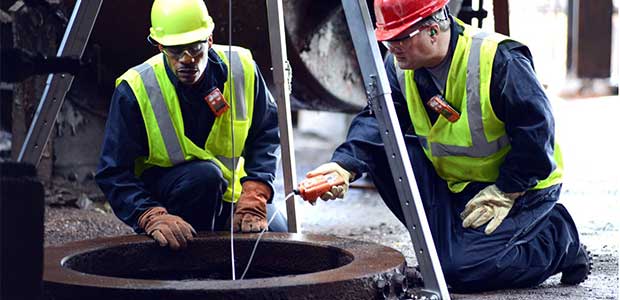
Wireless gas detectors are changing the way we work in confined spaces.

The future of workplace safety post-pandemic will include new technologies, including contact tracing and PPE wearables.