Construction companies are familiar with safety and mess-control; however, with the COVID-19 pandemic, there are some more factors to consider when working at healthcare facilities.
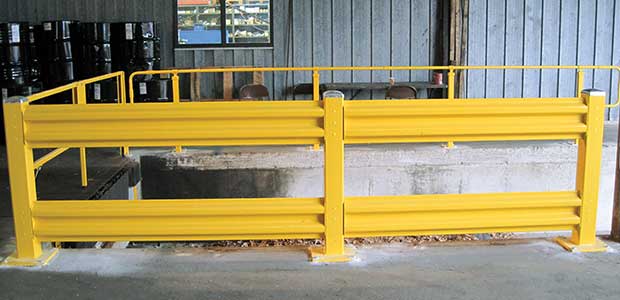
Guard rail is one of those components in a facility that typically is not top-of-mind with companies until it’s too late.
Protective gear must be chosen by understanding and complying with the information contained in ANSI/ISEA Z87.1.

A worker’s PPE must account for any season—and the environmental elements that go with that season. Here is your guide to picking FR Garments for everyday and specific tasks.
Wireless gas detectors are changing the way we work in confined spaces.

For most companies—particularly those involved in materials handling—concerns about safety regulations go well beyond mere avoidance of government fines or censure.

One question often asked by end-users is: what performance level is appropriate for dorsal impact glove application needs?
Here are a few guidelines for staying in compliance with eyewashes, eye/face wash combos and drench showers.
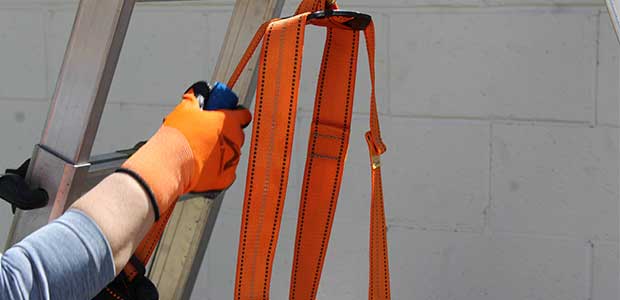
By now we all know to wash our hands, but what should be done with shared PPE, such as full body harnesses and fall protection lanyards?

How do face coverings help in the workplace? How should an employer approach mask selection when additional workplace hazards are identified?