
A new OSHA toolbox talk emphasizes that most workplace electrical fatalities occur outside traditional electrical trades and outlines practical steps employers can take to reduce risk.
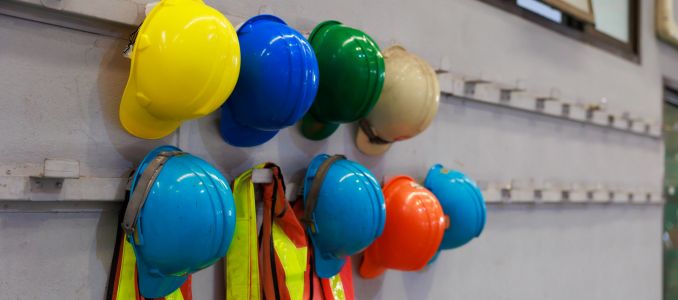
A coalition of nine safety groups petitioned OSHA to align federal regulations with modern innovations in eye, head and first aid protection.
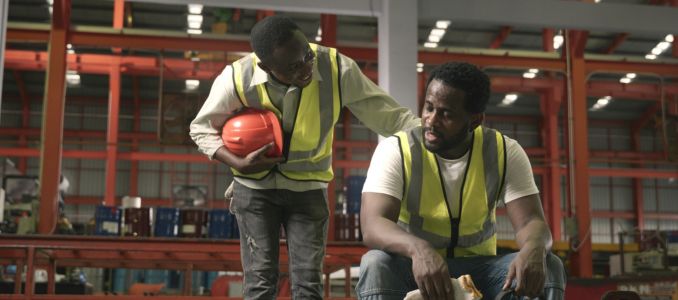
State safety officials are urging employers to take precautions as above-average temperatures move across California, reminding workplaces to provide water, shade, rest breaks and training to prevent heat illness.

The federal program begins its 21st year of providing free, confidential black lung testing across six states to support early disease detection.

Federal health officials expand a collaborative network aimed at integrating traditional workplace safety with broader employee well-being.

The Department of Labor and Economic Opportunity in Michigan earns recognition for integrating mental health into workplace safety standards.

The Oregon Occupational Safety and Health Division issued more than $113K in penalties to a residential contractor for repeat safety failures.

Virginia labor officials are recognizing Women in Construction Week by highlighting the growing role of women in the state’s construction workforce and promoting workplace safety initiatives.

NIOSH is offering free screenings to help coal miners identify black lung disease early and track respiratory health impacts from coal mine dust exposure.

A new peer-led support program aims to reduce suicide risk and promote mental wellness among unionized construction workers in New York City.
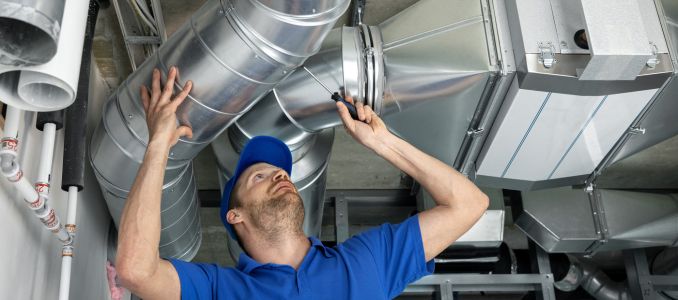
An OSHA investigation into a Bal Harbor Shops worksite fatality resulted in two serious violations and $28,135 in proposed penalties for Hyvac Inc.
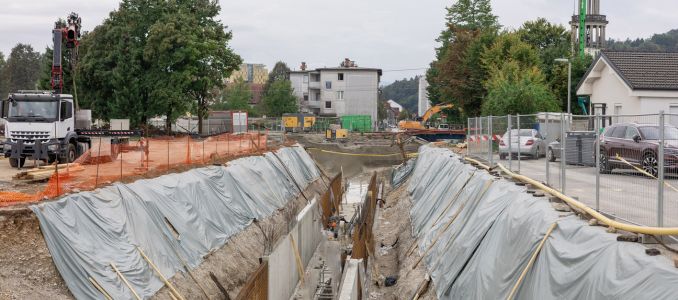
State safety officials launch an outreach campaign to prevent excavation fatalities and provide technical training for Michigan employers.
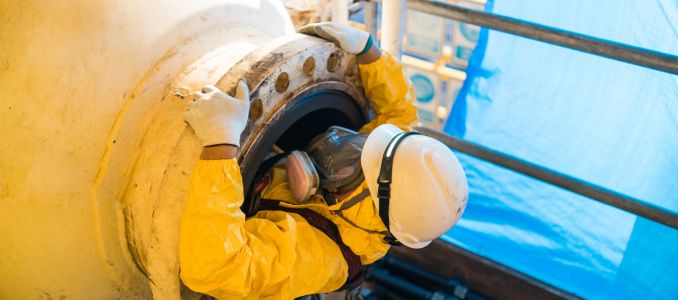
Federal investigators issued 12 serious violations to a petroleum tank services contractor after a worker died from toxic chemical exposure inside a fuel storage tank at a Lake Worth jobsite.
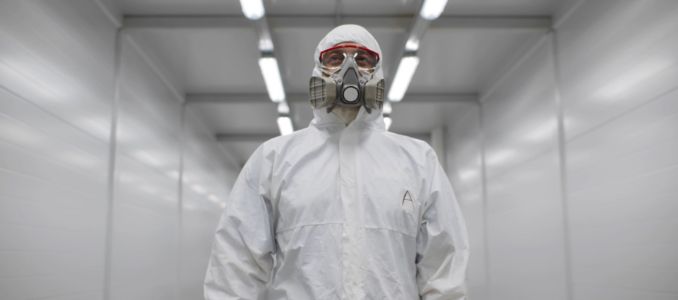
ISEA backs a bipartisan request to secure federal budget support for workplace safety research and essential respiratory protection programs.
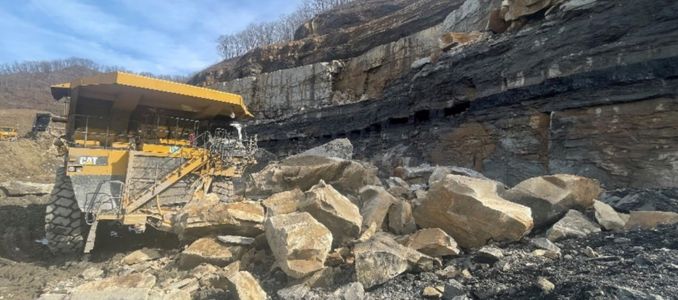
The Mine Safety and Health Administration is urging operators to increase inspections and controls during freeze-thaw cycles, citing elevated risks from unstable ground and slick conditions.

State labor officials marked Women in Construction Week with a new public awareness campaign and toolkit designed to increase women’s participation in the building trades and expand equitable apprenticeship pathways.
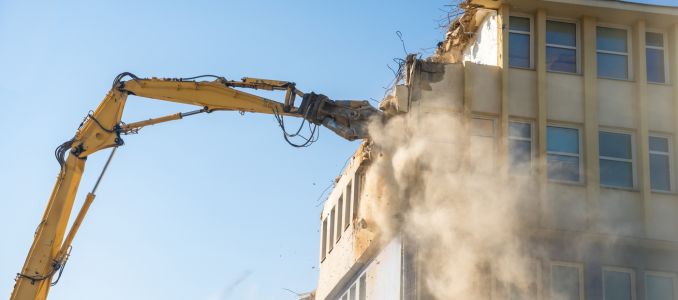
Labor Commissioner Luke Farley directs OSH Division to target top workplace killer with new enforcement and education initiative.