The four-year Hazardcheck campaign unveiled on March 1 builds on the Government of Canada's Chemicals Management Plan and Clean Air Agenda.
Secretary Steven Chu listed them in a Feb. 2 letter to John E. Mansfield, vice chairman of the Defense Nuclear Facilities Safety Board.
Specifically, the agency found instances of improper transfer and storage of flammable liquids; lack of specific lockout/tagout procedures and training to prevent the unintended startup of machines during maintenance; lack of hearing protection; inadequate respirator training, fit-testing, medical evaluation, inspection, and maintenance; unguarded grinders; and more.
Acting in response to the U.S. Chemical Safety Board's recommendations from the ConAgra Slim Jim explosion, NFPA's National Fuel Gas Code Committee proposed an emergency change to strengthen NFPA 54. Expedited public review and comment will follow.
Think that companies only suffer cumulative trauma disorders (CTDs) to their workers' backs, arms, and shoulders? Arguably, most professionals think of CTDs as physical problems — usually, strains and sprains. We explain in our injury-prevention work these ergonomic issues are like metal fatigue, akin to repetitively bending a piece of steel. One or a few creases may seem insignificant, but multiple bends can weaken, then eventually break, even the strongest superalloy. In the same vein, strawthat- broke-the-camel's-back leadership problems can contribute to organizational breakdown.
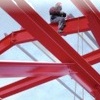
Exposure to hand and arm vibration in the workplace can range from severe and debilitating to nuisance level. Fortunately, there are simple solutions to this under-reported, under-regulated problem.
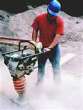
Reducing the physical demands on all workers in construction is essential.

"While most people think of construction or manufacturing as high-risk occupations where eye injuries are prevalent, even jobs requiring 'smart phones,' laptops, and desktop computers can cause vision problems if not used properly," notes AOA's Dr. James Sheedy.

Vernon F. Betkey, Jr., chairman of the Governors Highway Safety Association, predicts a combination of education, policy, enforcement, and technology will solve the problem, starting this year.
"When you're not thinking about your driving, your habits will kick in. If you've got good habits, your chances of having a collision are minimized. If you have poor habits, they're increased."
The majority of construction accidents are not due to a lack of training, skill or knowledge — nearly all accidents are simply related to poor decision-making.

Speaking with George Tway, senior vice president and Western Region manager for Employers Holdings Inc., a 97-year-old provider of worker's compensation coverage to about 45,000 policyholders in 30 states, gave me a strong sense of déjà vu.
According to the government's lawsuit, the tax preparers allegedly sold interests in the fictive facilities to thousands of customers in at least 14 states across the country and prepared income tax returns for customers claiming tax credits based on the concocted methane sales.

Former ACOEM President Dr. Robert McCunney, on a panel assembled by the American Wind Energy Association to review the published literature on possible health effects caused by today's wind turbines, said the experts found no risk at all.
"From eliminating central-line bloodstream infections in the neonatal intensive care unit, to organizing statewide HAI prevention initiatives, to improving employee influenza vaccination rates -- this year's Heroes demonstrate what improvements in patient safety can be accomplished when focused commitment and unrelenting determination coexist," said APIC President Cathryn Murphy.
"This facility has not experienced an injury resulting in lost time in the last four years," noted Richard S. Terrill, OSHA's regional administrator. "Their outstanding efforts have included significant management commitment and employee involvement."
Investigations Supervisor Don Holmstrom briefed reporters today about the investigation so far into the Feb. 7 Kleen Energy explosion, which has claimed six lives.
Some 1,300 of the Model Year 2010 Arctic Cat 500 Sno Pro vehicles were sold at the company's dealerships nationwide from October 2009 to February 2010 for between $7,800 and $8,200.
"Out of sight does not mean out of mind when it comes to underground petroleum storage tanks, and it is critical that facilities monitor their tanks and make sure they are not leaking," said EPA Regional Administrator Judith Enck.

How well the Washington Metropolitan Area Transit Authority's automatic train control system performs is a central issue for the three-day hearing into the June 2009 collision of two WMATA trains, but the larger issue is that the transit agency is at a crossroads.