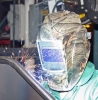
The three authors of the paper published in the Journal of Occupational and Environmental Health conducted the research because there have been few studies on welders' exposures, especially in construction.
According to EPA’s New England office, Robinson Plumbing and Heating Supply Co. sold ozone-depleting refrigerants to non-certified technicians at two separate sales outlets in Massachusetts, in violation of the Clean Air Act.
It was not sold as an individual product but was packaged with power tools sold by Canadian Tire Corporation Ltd. of Toronto from January 2004 to May 2010. Health Canada says the company has sold compliant oil since then.
On numerous occasions, MSHA officials have attempted to resolve serious safety issues at Massey-owned Freedom Energy, including meetings with upper mine management over recurring roof problems, ventilation and dust control issues. The inspections, citations, and meetings with mine management have not resulted in changes in behavior.
"Conditions found during the MIOSHA inspection were very serious,” said Acting Director Andrew S. Levin. “They must fulfill their obligations under the MIOSH Act and provide a safe and healthy work environment for their employees.

These are the next hurdles to bridge, and manufacturers are doing just that as they develop next-generation respirators for an expanded base of users.

Loose-fitting powered and supplied-air respirators offer increased comfort and productivity -- a better experience for all concerned.
When rescuers needed to determine how to safely extract Chilean miners without their fainting and suffering a potentially devastating loss of blood to the brain, they turned to a UT Southwestern Medical Center scientist whose expertise typically is focused on astronauts in space, not mine workers trapped underground.
A research team from the Jefferson Sleep Disorders Center at Thomas Jefferson University Hospital has utilized a simple, eight-item, pre-operative questionnaire about obstructive sleep apnea syndrome that could help identify patients at risk for complications following surgery, according to a report in the October issue of Archives of Otolaryngology - Head & Neck Surgery, one of the JAMA/Archives journals.
"We are continuing to find serious threats to miners' safety and health," said Joseph A. Main, assistant secretary of labor for mine safety and health. "While some operators are finally getting the message, others are not."

Part of the agency's "End Black Lung -- Act Now" campaign, the rule being published Oct. 19 will halve the concentration limit for respirable coal dust in underground mines to 1.0 mg/m3 over the next two years and also will phase in required use of continuous personal dust monitors.
Because damage can be widespread and severe, responders need effective and rapid consequence modeling of the hazardous materials emanating from a fire.
"Simsmetal East knowingly put its workers at risk by failing to protect them from overexposure to lead, which can cause brain damage, paralysis, kidney disease, and even death," said Kris Hoffman, director of OSHA's Parsippany Area Office in New Jersey.
Sixteen companies win top honors in the magazine's second annual contest, with trophies and ribbons handed out Tuesday at the National Safety Council Congress & Expo in San Diego.
"There is no excuse for employees to work in an environment where they are exposed to being crushed while working inside machinery where the energy source was not properly locked out and tagged," said Charles Adkins, OSHA's regional administrator in Kansas City, Mo.
The company is being cited for allegedly failing to keep an area clean and free of dangerous accumulations of explosive and combustible foam dust and for failing to install machine guards on cutting machines to protect workers from amputation hazards.

Three HHS leaders, including Secretary Kathleen Sebelius, gave a short briefing Tuesday in which they urged all Americans to get this year's flu vaccine.
The violations address hazards associated with spray painting outside of a predetermined, designated spray booth, and the use of powered industrial truck fork extensions without manufacturer notification, approval and determination of lifting capacity.
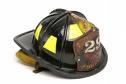
"Respiratory Diseases and the Fire Service" addresses smoking, pulmonary function testing, World Trade Center responders' respiratory diseases, disaster-related infections, and much more.
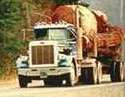
The Associated General Contractors of America said its California members sent that many letters to the board seeking repeal of the off-road diesel rule, saying it is unnecessary and threatens contractors across the country.