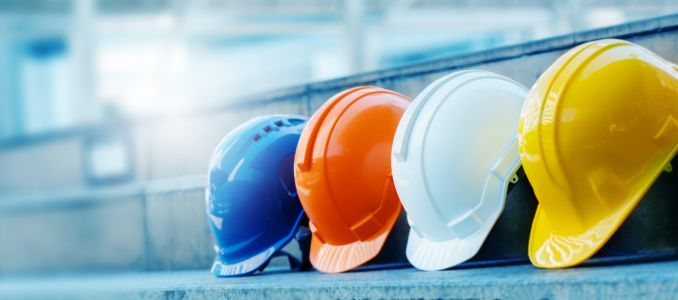
OSHA’s updated guidance highlights the importance of hazard assessments when selecting head protection. Here are five key steps to help employers choose the right helmet type, electrical class, and accessories for their worksite risks.
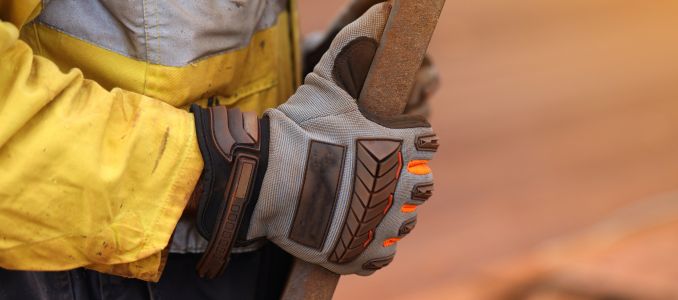
From small errors to human factors like complacency and distraction, hand injuries persist across industries. Addressing habits, awareness, and leadership may be the key to protecting workers both on and off the job.
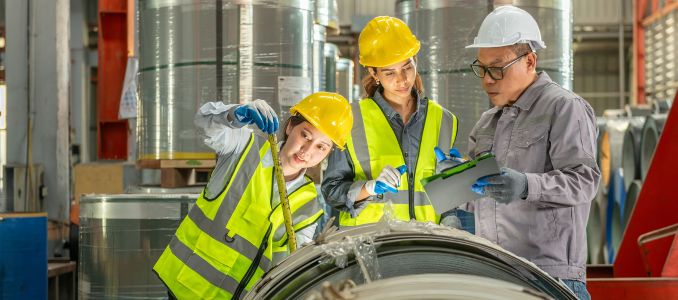
Standing between risk and life, these experts use science and strategy to stop workplace illnesses before they start. Prevention is their success.
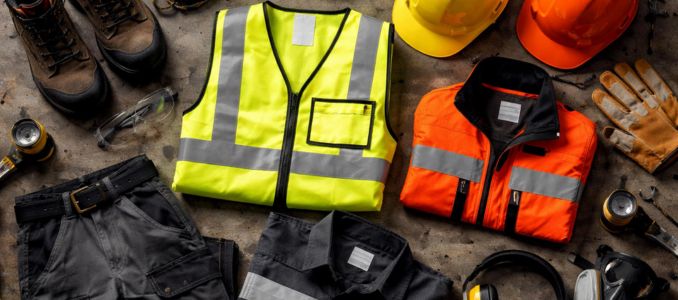
OSHA requires PPE to properly fit each worker. Learn how poor PPE fit creates compliance risk, common violations, and how employers can build a defensible fit program.
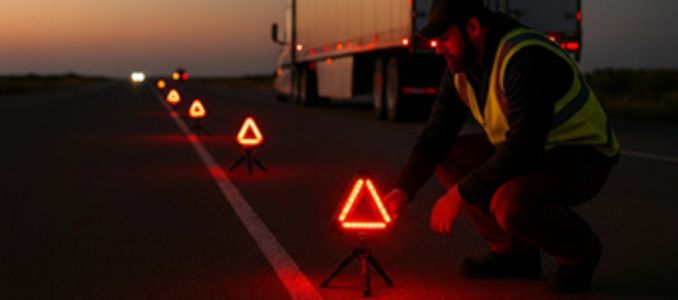
New illuminated PPE enhances worker visibility and safety in low-light and high-traffic environments

This week’s Friday Roundup highlights new emergency response equipment, maintenance solutions that extend system performance, digital tools to simplify regulatory compliance, cold-weather PPE innovations, and industry efforts to improve fit and inclusion for women in the skilled trades.
Occupational health professionals play a critical role in spotting early indicators of sensory loss. Knowing when to refer for a workplace assessment can prevent burnout, improve retention, and ensure employees receive the adjustments they need before issues escalate.

OSHA found Virginia Transformer Corp. failed to correct hazards previously identified in multiple inspections, issuing 53 serious and repeat violations tied to crane safety, machine guarding, fall hazards and inadequate PPE.
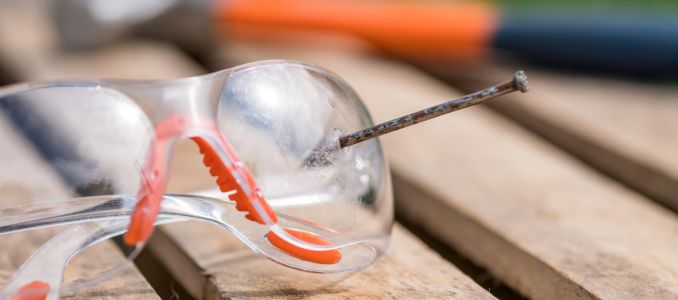
From flying debris and chemical splashes to radiation, dust, and high-pressure equipment, industrial environments expose workers to eye hazards every day. Understanding these risks—and using the right protection—can prevent injuries and safeguard long-term vision.
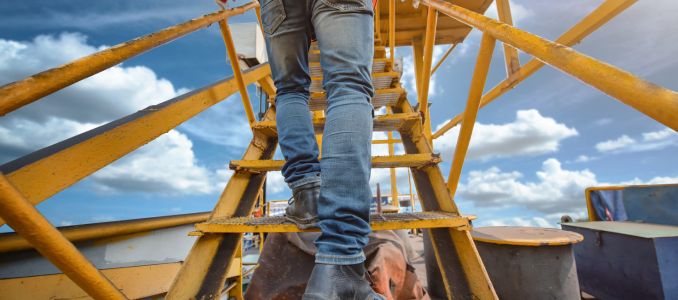
From ASTM codes to slip resistance and electrical ratings, this guide breaks down the alphabet soup of safety footwear standards and shows how to apply them in real-world workplace decisions.

How advances in monitoring and analytics are transforming eye and face PPE checks from routine tasks into proactive safeguards.
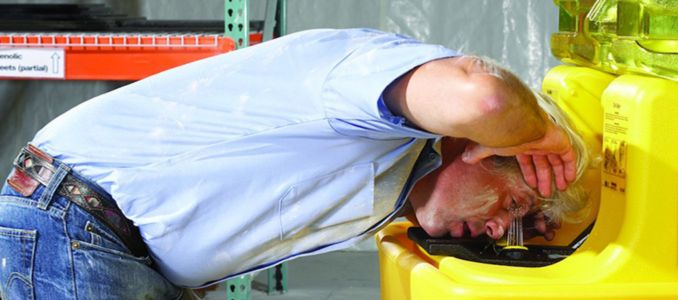
By ensuring ANSI compliance, proper placement, maintenance, and worker training, portable eyewashes play a critical safety role.
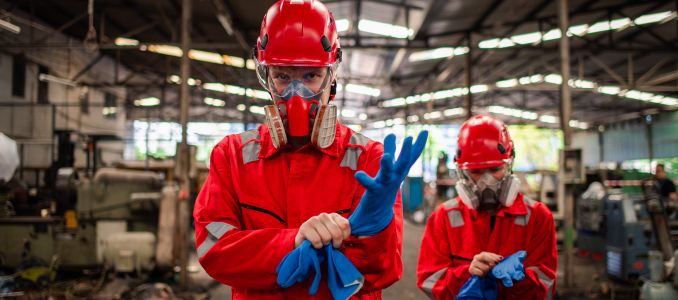
Understanding how thermoplastics, fibers, and reinforcements behave under real-world conditions helps safety professionals choose gloves that truly match the hazard.

A new ISEA report warns that tariffs on personal protective equipment enacted in 2025 could increase costs, reduce access to safety gear, and put millions of U.S. workers at risk. The study highlights how even small increases in injury rates could cost billions and threaten national economic stability.

J. J. Keller & Associates and the International Safety Equipment Association (ISEA) have launched their 2025 PPE Pain Points Survey to better understand the daily challenges EHS and safety professionals face in PPE selection, training, and compliance. The survey is open through December 1, 2025.
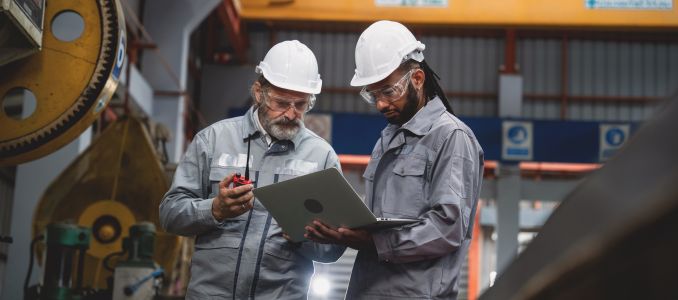
From flying debris to chemical splashes, radiation, and glare—industrial workers face daily risks to their eyes. Understanding hidden hazards and enforcing proper protective measures can prevent injuries and preserve sight.

Occupational health professionals play a critical role in identifying undiagnosed hearing and vision impairments that often go unnoticed, ensuring employees receive timely, specialist support that fosters inclusion, safety, and productivity.
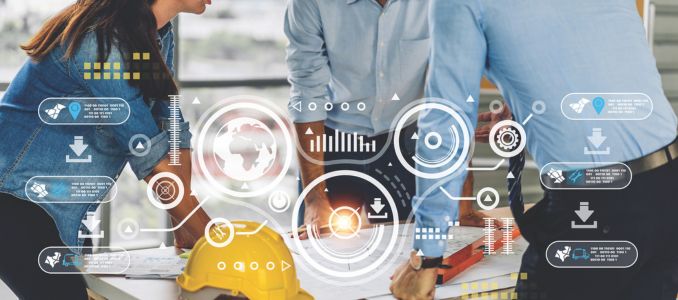
Smart personal protective equipment is transforming industrial safety by integrating sensors, connectivity, and real-time data to better protect workers and prevent injuries.

Important considerations for selecting protective apparel that aligns with real world risks.
From lens materials to advanced coatings and tints, smarter safety eyewear enhances protection, comfort, and worker performance across industries.