"Now that we know Zika virus can be transmitted through sex, this increases our awareness campaign in educating the public about protecting themselves and others," said Zachary Thompson, the department's director.
The World Health Organization will convene an International Health Regulations Emergency Committee on the alarming spike in Zika virus cases.
The initial certification belongs to Parrish Medical Center, a 210-bed, not-for-profit public medical center in Titusville, Fla., that is a member of the Mayo Clinic Care Network.
The Zika virus is now circulating in 18 countries and territories of Latin America and the Caribbean, causing the Pan American Health Organization to recommend that its 35 member countries monitor and report any increase in neurological syndromes and congenital anomalies.
The new guidance highlights high-impact opportunities.
"They can be found in illegal street markets, via unregulated websites through to pharmacies, clinics, and hospitals" and are difficult to detect because they are frequently designed to appear identical to the genuine product and may not cause an obvious adverse reaction, according to the updated WHO fact sheet.
Local health authorities received confirmation from CDC last week.
"The addition of an additional pre-qualified vaccine producer is expected to double global supply to 6 million doses for 2016, with the potential for further increased production in the future," WHO announced Jan. 8. "This additional capacity will contribute to reversing a vicious cycle of low demand, low production, high price, and inequitable distribution to a virtuous cycle of increased demand, increased production, reduced price, and greater equity of access."
Nearly all Americans consume more sodium than is recommended, according to the CDC.
Health care staffers should not use the company's convenience packs and trays for any surgical procedure because adequate testing hasn't been completed, according to the agency.

The Puerto Rico Department of Health reported the first locally acquired case of Zika virus infection there on Dec. 31, a case where the virus was confirmed in a resident of Puerto Rico with no known travel history. Health officials in Puerto Rico are monitoring for other cases.
"This three-sided strategy . . . could be a model for many other communities," said Gary Tuggle, DEA Special Agent in Charge for the Philadelphia Division.
"The coming months will be absolutely critical," said Dr. Bruce Aylward, special representative of the director-general for the Ebola response at WHO. "WHO will maintain surveillance and outbreak response teams in the three countries through 2016."

A full report from the National Academies' expert committee, including recommendations, is expected to be finished in 2017.

The authors reported that warning symptoms frequently occur prior to sudden cardiac arrest, but most are ignored.
Employees were exposed to serious injuries, such as from sharps.
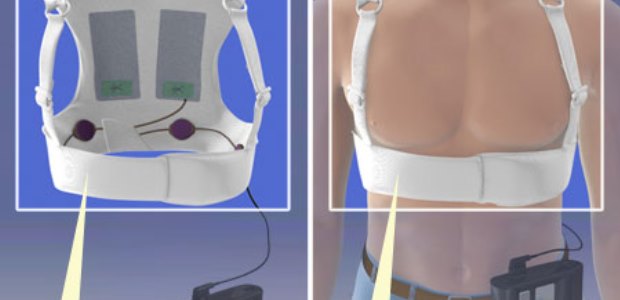
"Doctors now have important information that may help them safely prescribe this life-saving device to young patients who may benefit from the device," said Dr. Vasum Peiris, M.D., MPH, chief medical officer of Pediatrics and Special Populations in FDA's Center for Devices and Radiological Health.
Members of the California Nurses Association/National Nurses United will testify at the Cal/OSHA Standards Board's public hearing in Sacramento.
"As a society we have not heeded the data warning us of the deadly cost of addiction. Our grace period is over," said Deborah A.P. Hersman, president and CEO of the National Safety Council.
Of the 9.3 million projected new service-sector jobs by 2024, 3.8 million will be added to the health care and social assistance major sector, which will overtake the state and local government major sector and the professional and business services major sector to become the largest overall.