The $11.2 million in grants is funded by the Susan Harwood Training Grants Program.
Changes in the final rule were designed to clarify the standards, ensuring that the standard is well understood and compliance is simple and straightforward.

The question is: Why do workers continue to get injured on the job despite federal standards interjecting?
Industries should keep records of waste generation and testing, report any unprecedented events, be prepared to handle emergencies with trained professionals, and have reliable hazardous waste storage options such as tanks and containers

The FDA has released a list of products you should not use due to toxic ingredients. Is your hand sanitizer on the list?
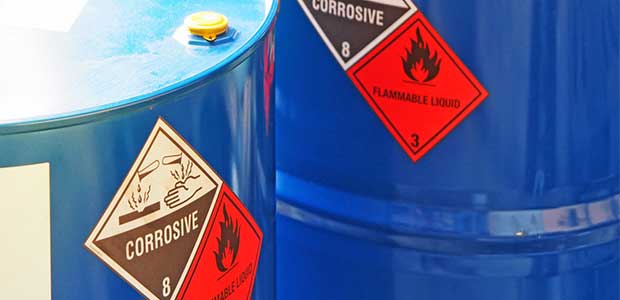
Although most facilities or homes will not store chemicals in massive quantities, improperly storing even a small amount of volatile chemicals can cause injury and even worse, death.

Episode 20
For our inaugural Safety Speak episode we will be discussing National Safety Stand-Down, what OSHA has to say about face coverings, hearing loss in the services sector and Hazard Communications.
Despite being a critical component of employee safety, HazCom training is one of the most overlooked elements of employer safety programs.
The oil and gas industry, and all of its sub-industries, needs to consider the varying job functions and associated risks for workers contracting COVID-19. OSHA’s guidance page helps employers understand the job risks, cautions and appropriate protocol for protecting workers from the virus.
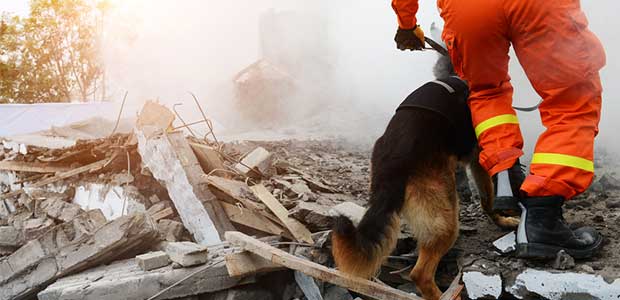
The National Resource Defense Council (NRDC) just released a report that argues how climate disruption is a growing danger to the health of indoor and outdoor workers. Read what the NRDC and researchers have to say.
OSHA has published frequently asked questions and answers about the coronavirus pandemic to help protect workers from exposure.
Industrial workplaces already have many components that need to be in check to keep workers safe. Luckily, Avery Products Corporation, ID&C and PC/Nametag launched a handful of new products to help industrial employees work safely.

Some contractors are finding a productivity boost from another type of equipment: Hydrodemolition robots.
Workers in office buildings may be at risk for exposure to COVID-19, so ensuring that the building is safe and prepared for in-person work is crucial for the safety of employees. See what the CDC recommends for your office building.

Lead poisoning in the workplace is not only deadly for workers but can also mean legal repercussions for your business.
Recognizing all essential workers—including those in the electrical field—and their associated hazards when it comes to working in a pandemic.
There are many factors to consider when saying “radioactivity is hazardous.” Here is an attempt to summarize them in five points.

Keeping workers healthy with vigilance and common sense.

Not all airborne dust particles are the same. Here are ways you can differentiate between particulate exposures and hazards for your workplace.
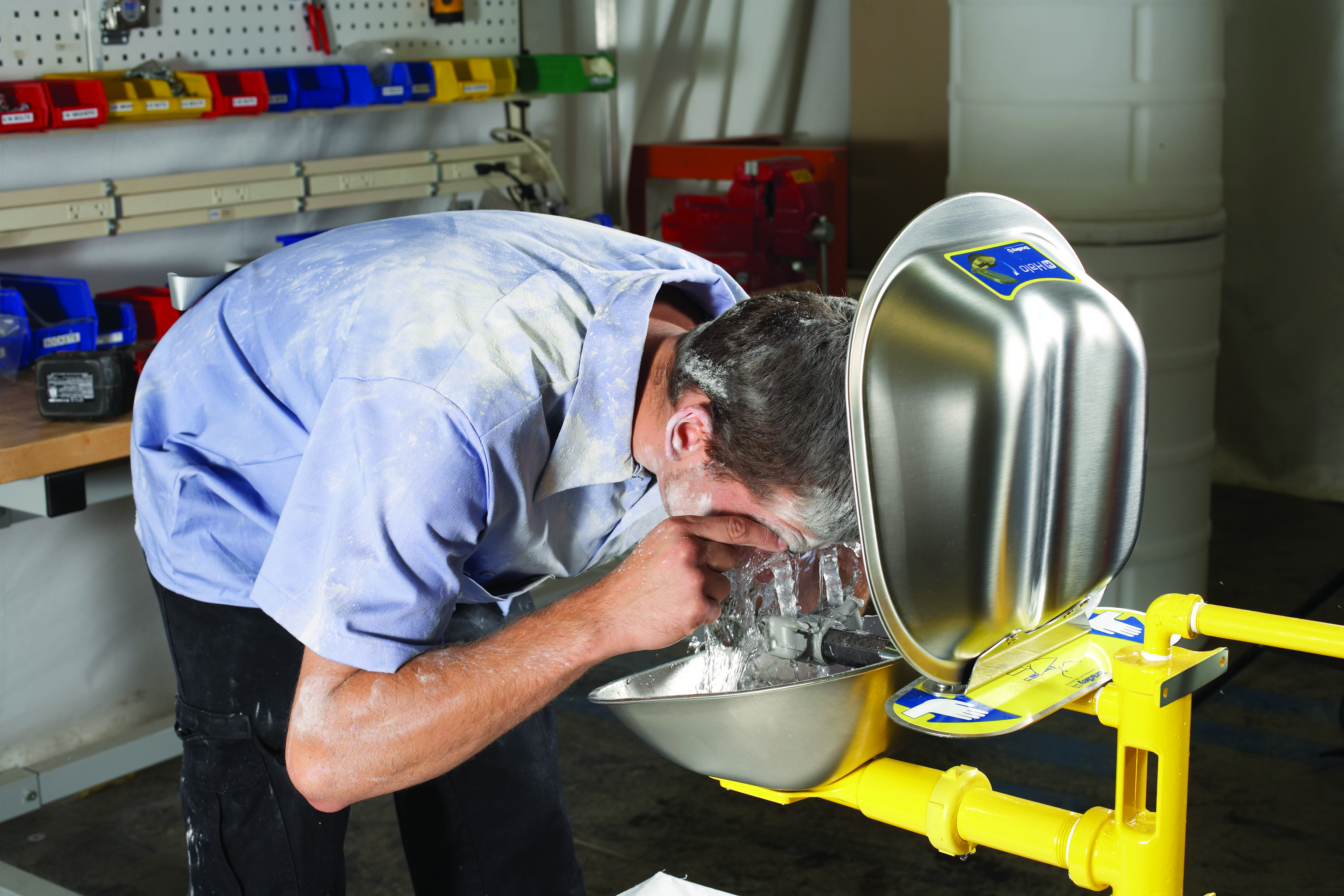
The need for sufficient and properly working emergency eyewash and shower devices in workplaces is real and pervasive.