
Space-constrained chemical containers are transitioning to cloud-connected QR codes and NFC tags to bypass physical label limitations and secure instant safety data access.

Construction crews are encouraged to use site-specific checklists and worker feedback to refresh accident prevention programs.
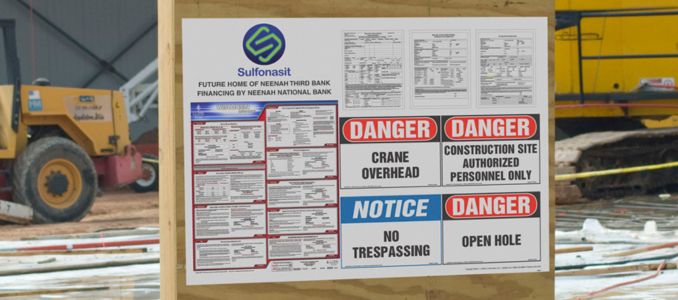
The polyurethane display organizes required labor law and safety notices into a single weather-resistant format.

Clear instructions and active listening are the most effective tools for reducing human error and improving safety outcomes on high-risk job sites.

Standardize safety reporting and leverage data-driven insights to catch early warning signs and prevent routine workplace hazards from escalating.

Is your jobsite drowning in signs? Learn how habituation dulls workers' attention and how to restore the impact of critical safety communication.

OSHA cites two Cartersville companies for repeated safety failures and exposing workers to hazardous dust and noise levels.

The difference between worksite risk and reliability lies in rigorous inspection, clear accountability, and the shift toward digital safety tracking.

OSHA proposed more than $246,000 in penalties following a fatal hydrogen sulfide release at a Colorado dairy.

Confusing language, poor recordkeeping, ignored feedback, and fear of speaking up can weaken safety communication and increase workplace risk.

Many organizations meet OSHA’s Hazard Communication requirements on paper, but gaps in understanding and application continue to undermine chemical safety in real-world work environments.

Rule updates replace “discrimination” with “retaliation” terminology and revise worker protection language in Title 296 WAC.

Connected gas detection sets a new standard for HazCom via real-time data sharing that strengthens response, and builds proactive safety cultures.

A new alert from Washington State’s Department of Labor & Industries urges employers to strengthen fall protection, supervision, and rigging practices after multiple fatal tree trimming incidents.

From incident trends to employee feedback, continuous evaluation keeps chemical safety programs effective, compliant, and central to workplace culture.

The company will pay millions in penalties and invest in safety upgrades after two workers died in a 2020 nitrogen gas release, following a Cal/OSHA criminal referral.

The substantial use of Benzene in the creation of different polymers, resins, and man-made fibers makes the chemical an unavoidable material across different industries.

Are your employees exposed to hazardous chemicals? They might need HazCom training!

Federal investigators found multiple safety violations following a fatal incident at a Florida donation center, including a repeat offense related to fall protection.

Organizations must move beyond general safety awareness to pinpointing specific risks in order to prevent workplace injuries and build proactive safety cultures.