
Expanding the role of safety professionals in a tech-enabled world.

AI Wearables are making tough jobs safer with smart, simple injury prevention.

AI-powered solutions might not be capturing the most important hazards.
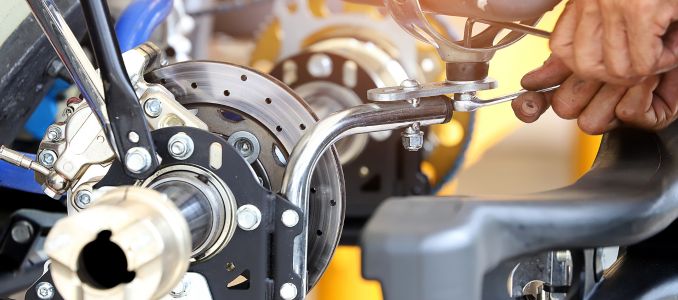
Improper bolt loosening can lead to serious injuries and workplace hazards.

The National Safety Council's new resource helps organizations prevent costly musculoskeletal disorders with research-backed strategies.

Effective ergonomic training should focus on practical skill development to ensure workers adopt and apply ergonomic strategies.

Ergonomic work strategies from experienced workers, injured employees, and others can make a huge difference in workplace efficiency.

The first meeting will occur on Jan. 9, 2025, and focus on airline ground crew workers.

The National Safety Council's latest report shows progress in workplace MSD prevention, while highlighting ongoing challenges and opportunities for improvement.

The U.S. Department of Labor and Amazon reached a settlement requiring ergonomic improvements at facilities nationwide to reduce worker injuries.

The National Safety Council has allocated $300,000 for its third year of grants aimed at reducing workplace injuries caused by musculoskeletal disorders.
In 2025, staying compliant with OSHA’s evolving standards will be essential as companies navigate new technological, ergonomic and safety challenges to protect employees and maintain productivity.

The new rules aim to reduce the rate of sprains and strains among baggage handlers.

In-office mandates tend to disregard the needs of employees with disabilities, a move that can hinder not only diversity and innovation but also employee health and safety.

Ergonomics is crucial in three specific industries where it reduces physical strain and enhances employee well-being.

This week’s new safety products enhance workplace safety and productivity with solutions like advanced vacuums, puncture-resistant gloves, and ergonomic exosuits.
Ergonomic innovations, particularly the implementation of custom insoles, improved workplace safety, reduced physical discomfort, and increased productivity at a large manufacturing facility.
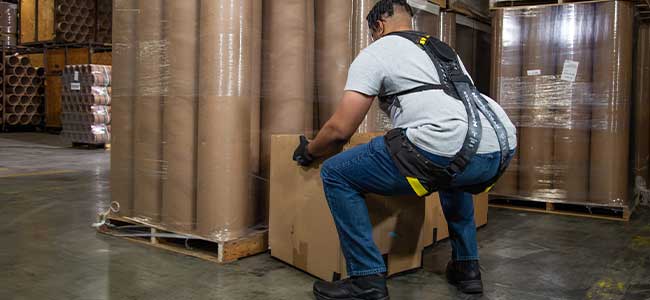
A new report shows exosuits led to zero back injuries across 280,000 hours of work in multiple distribution centers.

Implementing essential ergonomic design standards significantly reduces workplace injuries, enhances productivity, and ensures safer and more efficient work environments.

Human factors and ergonomics (HF/E) standards are essential for enhancing safety, efficiency and user-centered design across various industries, reducing errors and promoting inclusivity.