Vaccines against three seasonal virus strains are already available and should be used, FDA said. However, they do not protect against the 2009 H1N1 virus. These latest four vaccines are designed to do that.
The settlement is related to a release at the company’s ammonia and nitric acid manufacturing facility in Deer Island, Ore., on Sept. 29, 2008. EPA alleges that the company failed to notify the appropriate emergency response entities until approximately 11 hours after the release occurred.
Exposure to high levels of xylene and ethylbenzene can cause a variety of human health effects, including harm to the nervous system, fatigue, general weakness, memory loss, and visual problems.

According to researchers at UT Southwestern Medical Center, including plastic surgeons in disaster-relief efforts could improve long-term outcomes for victims of catastrophes, particularly in medical cases that might involve physical scarring and nerve damage.
For the first quarter of 2009, the agency's Disability Rights Office received 142 informal complaints raising closed captioning issues but no complaints regarding hearing aid compatibility issues.
Preventing transmission by droplets is the key recommendation from researchers who analyzed the June 2009 outbreak among a tour group visiting southwestern China. Thermal scanning and health questionnaires at the Chinese airports did not detect symptomatic passengers.
“Disasters may strike at any time so it’s always important to be ready and prepared to maintain the health and safety of yourself and your loved ones until first responders are able to arrive,” said AADM President Gary M. Klein, M.D., MPH, MBA, CHS-V.
"I want to keep people in the loop and let them know it’s not over. I want people to leave the presentation with the idea that this is something that can really happen and can affect their business and company, and they need to take protective measures,” said Larry D. Riley, compliance consultant with the Workplace Safety Awareness Council, who will present “The Swine Flu Pandemic: Urban Myths and Real Solutions for Your Facility” at the event.
“If we could communicate two messages for the Labor Day weekend they would be to simply wear your life jacket and be totally aware at all times of what’s going on around you,” said Al Johnson, the First Coast Guard District’s recreational boating specialist.
With hurricane season in full swing and experts predicting an increase in cases of the H1N1 virus this fall, now is the time to revisit preparedness plans.
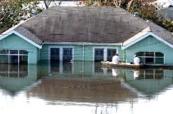
Having well-documented information about the pre-disaster condition of your facility helps you pinpoint the spots that are at greatest risk.

What can a doctor's rap, a man wielding a chainsaw, and a troupe of young dancers taking five on a sound stage do to encourage good health practices for this flu season? Vote now, and soon your favorite PSA may be on the air.

One of the best options for effective emergency communications is a multi-modal notification system that incorporates an institution's existing modes of communications with newer technologies, such as mobile phones.
An Emergency Use Authorization (EUA) authorizes the use of unapproved medical products or unapproved uses of approved medical products during a declared public health emergency.
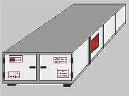
A short tutorial added to the agency's Web site explains the requirements for these mine emrgency chambers and links to the rule requiring them.
"It's critical that companies report the storage and release of toxic chemicals--if they don't, public safety is jeopardized in an emergency," said Edward Kowalski, EPA's Director of the Office of Compliance and Enforcement in Seattle.
According to the national survey, 30 percent of Americans have not prepared because they think that emergency responders will help them, and more than 60 percent expect to rely on emergency responders in the first 72 hours following a disaster.

The update responds to recommendations from the President's Council of Advisors on Science and Technology, which completed a report on flu readiness that is also on the White House Web site.
A paper published in the September issue of the American Journal of Preventive Medicine found households in which someone with a transportation-related disability lives have spent more time packing necessary supplies and identifying a safe place to meet, but they’ve done no more to become aware of evacuation routes or to create an emergency plan.
Two panel discussions are planned, covering use of broadband applications by first responders and the impact of the technology on issues such as cyber security, pandemics, bioterrorism, and critical infrastructure vulnerabilities.