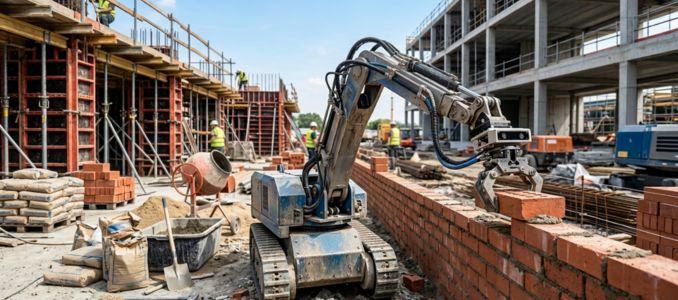
As robots take on more construction tasks, researchers emphasize the need to address human-robot interactions, equipment hazards and changing jobsite conditions.
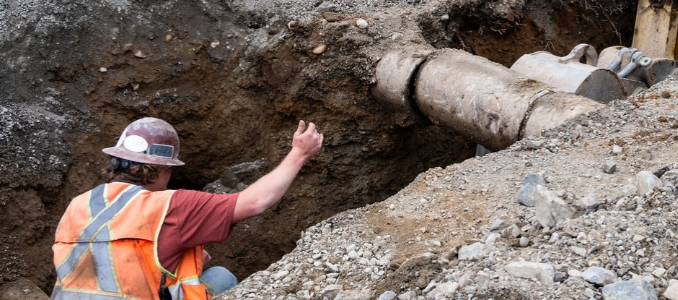
The trench had no cave-in protection or safe way out, workers lacked hardhats, and materials and equipment sat less than 2 feet from the edge.
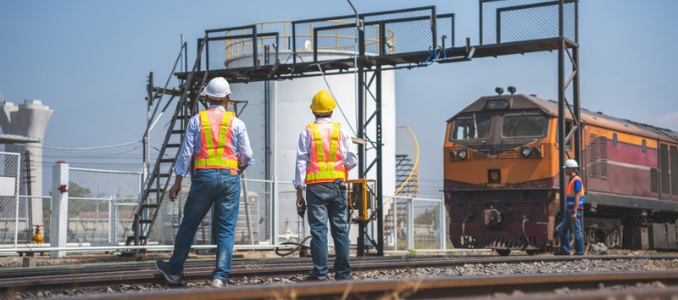
The rail safety nonprofit debuted public service announcements for RV drivers and motorists near transit trains and held its first Emergency Notification System Sign Awareness Day.

A shrinking pool of skilled technicians is leading to deferred maintenance, less supervised repairs and weaker lockout/tagout and recordkeeping practices, raising both injury and compliance risks.

A new director of marketing joins the Compliance Products business, and a longtime company leader accepts the director of product management role.

Safeguards built into the tablet audiometer pause a test when background noise climbs too high, and a new dashboard flags workers with overdue tests or pending retests.
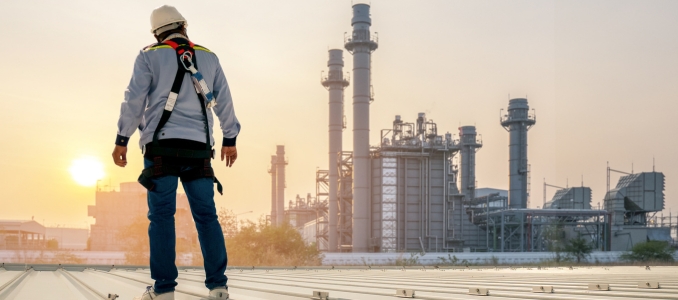
Digital two-way radios leverage customizable emergency alerts, remote monitoring and automated safety features to protect lone workers and maintain operational continuity.

Novara's new Visitor Management module tracks who is on site through the workday and flags any check-in left open more than 12 hours.
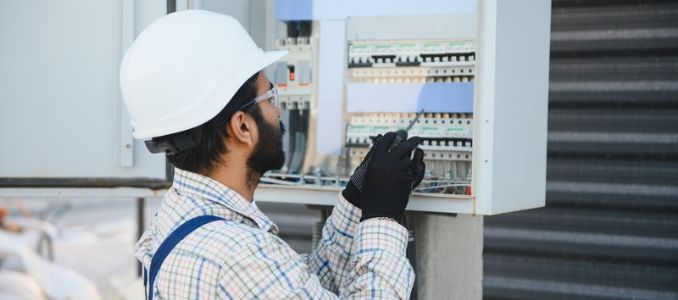
The amendments carry out a law that, since Jan. 1, has required installers on public works projects to be certified through a nationally recognized training program.
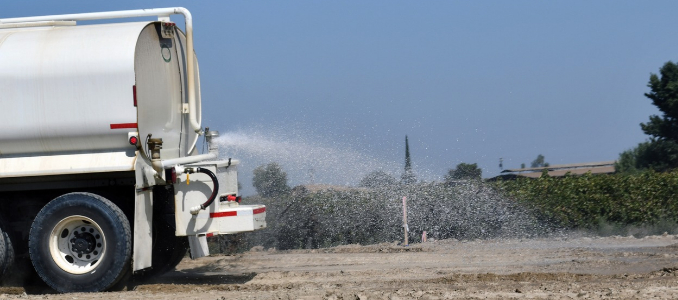
A truck most jobsites already have can wet down fire-prone ground and help control a blaze until firefighters arrive, with a few low-cost add-ons and some crew training.