This could be the most consequential annual conference for the society in many years.
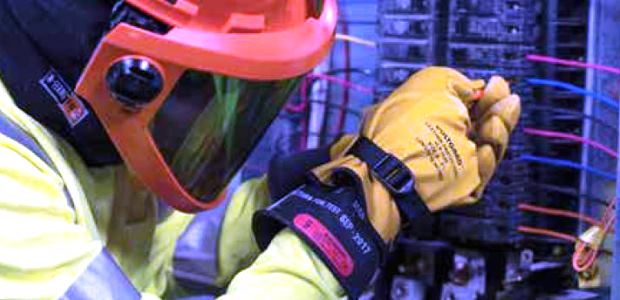
What's shocking is that many workers are not using rubber insulating equipment because they simply don't know they need it.
“Substantial new evidence” lead to the change.
The agency is requesting information about the environmental storage conditions.
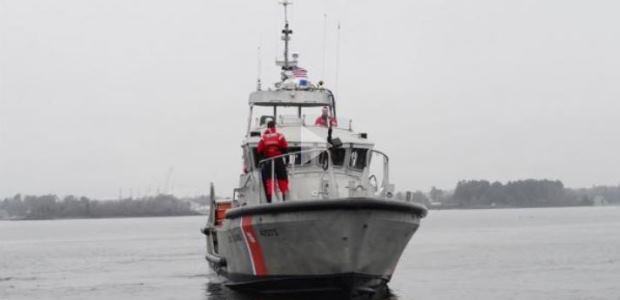
Recreational boating deaths involving paddlecraft more than doubled in Northeast waters during 2016, according to the U.S. Coast Guard.

It is important to understand the entire spectrum of risks steelworkers are exposed to and consider multifunctional PPE alternatives to protect against each hazard.

Know what you are truly buying: The AR/FR fabric in workwear is the single largest factor in determining the garment's protection level, comfort, and overall value.
The ASTM F2302 standard, Standard Performance Specification for Labeling Protective Clothing as Heat and Flame Resistant, has been withdrawn until such a time as the standard could ensure no unsafe products would meet minimum requirements. However, Mary Mikolajewski, staff manager for Committee F23, said the standard was administratively withdrawn.
New members joined the organization in January 2017.
A study says those who wore body armor were over twice as likely to survive a shooting.

One of the biggest mistakes made in the workplace is in believing that, because a garment is flame resistant, it must be safe for all hazards. This simply is not the case.

OH&S congratulated winners of the eighth annual contest during the 2016 National Safety Congress & Expo.

What challenges have you faced when selecting the best chemical protective clothing for your work environment?
"This year's honorees are trailblazers in innovation, small business, health care, and sustainable textiles. Their visionary leadership is helping to power the economy and increase our ability to compete globally," Pritzker said. "The Commerce Department proudly supports these four outstanding organizations for their unwavering commitment to performance excellence and their dedication to always reaching higher."

DuPont Nomex's Dennis Mater and e-Hazard's Hugh Hoagland are presenting webinars Nov. 2 and Nov. 3 on fibers, fabric blends, and arc-rated and flash fire-rated apparel for cold weather, wet weather, or hot weather.
Twenty-two companies, including four multiple winners, won in the magazine's eighth annual New Product of the Year contest. Winners will receive their trophies at the 2016 National Safety Congress & Expo in Anaheim.

Allowing time for workers to acclimate to working in cold weather and limiting the length of outdoor shifts help prevent cold-related injuries. The right types of protective clothing are also essential.
"Test results indicate inconsistencies in the performance ratings of these industrial garments, and some of the garments may not currently meet the requirements of NFPA 2112 and NFPA 70E," the company's announcement stated.

Training and company policies must help employees decide that they can protect themselves from heat stress. Reducing heat stress will improve productivity and reduce accidents in the workplace.

If workers are overly optimistic that no injuries will befall them, they may be more likely to take risks that could end up in injuries.