
Yikes! Hearing loss is the third-leading major U.S. public health issue.

Don't forget your company's management and maintenance personnel. The regulations require training of all motor carrier employees.

"The value proposition is simply that if they are properly built, they will work, period."

There is no question that musculoskeletal disorders continue to be a leading cause of lost-time injuries among U.S. workers.

I continue to conclude that non-cash incentive programs are a strategic tool to economically and effectively maximize effectiveness of any ES&H goal set.

State-of-the-art flashlights protect against workplace hazards.

It's clear that the war on drugs has shifted away from the back alleys and instead on to Main Street. Abuse of prescription medication has grown to a bona fide public health crisis.

This product section showcases some of the new offerings from exhibitors at this month's National Safety Council 2015 Congress & Expo.

AIHA alerted its members Aug. 26 that NIOSH is seeking industrial hygienists to beta test the app right away (by Sept. 1).

More than 2,500 attendees participated in the association's 2015 conference. Next year, the event takes place in Kissimmee, Fla.

The union, which represents 750,000 active and retired members, reported Director of Safety and Health David Mullen "has been flying blind" until recently.

CPSC's announcement said consumers "should immediately stop using these recalled lawn mowers and contact Scag Power Equipment or an authorized dealer for a free repair."

The director is responsible for providing executive level management and direction for highway transportation accident investigations and highway research programs.

Colored powder events where cornstarch is the main ingredient aren't benign, a public affairs intern's post reminds us.

ARC's latest release is the Emergency App, which gives users access to customizable weather alerts, safety tips, and preparedness information for 14 different types of emergencies.
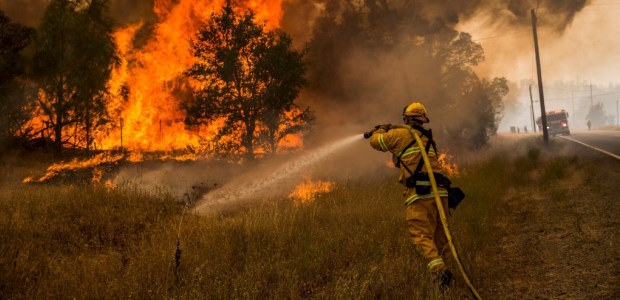
The Rocky Fire, one of 16 active wildfires in the state as of Aug. 19, began July 29 and burned nearly 70,000 acres during the following 16 days, destroying 43 homes and 53 outbuildings and forcing more than 13,000 residents to evacuate.

The agency issued 19 citations and $566,600 in proposed penalties, with 18 of the citations classified as serious.