
Most workplaces will require that the spill and the cleanup operation be documented in order to evaluate how effectively the spill response plan worked, as well as to look for ways to prevent such a spill from happening again.

Your first line of defense is using your head to eliminate hazards and implement engineering and administrative controls.

A comprehensive EHS platform can also restructure once-manual safety procedures and contribute to the company’s digital transformation efforts.
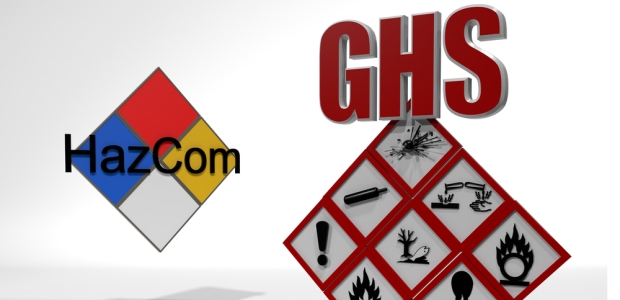
Don't let complacency permeate your hazard communication program.

Employees need to refresh their training and have drills regularly so they will be able to rely on both their knowledge and their experience when emergencies happen.

Companies can address an aging construction industry with sophisticated technology.

Time, efficiency, and protection become key factors the right respirator selection can address before a worker is ever faced with an emergency situation.

Integrating the JHA and Work Planning processes reinforced the new philosophical approach for shifting responsibility for working safely to those responsible for planning and actually performing the work.

Even if a fall hazard isn't specifically addressed, if it can be identified, plans need to be made to mitigate the hazard and prevent employee injuries.
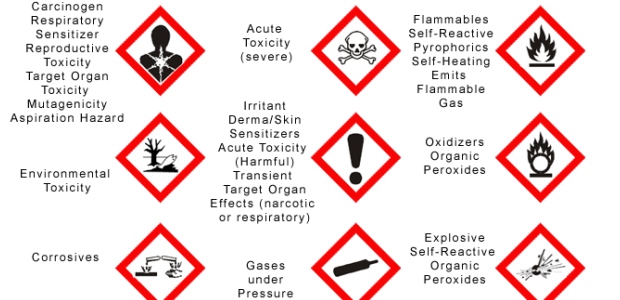
An effective HazCom training program provides employees with a deeper understanding of the dangers and emergency situations they may face.

The Kentucky Fatality Assessment and Control Evaluation (FACE) program investigates fatalities and makes recommendations for preventing future similar injuries.

Placement of the emergency equipment is very important. A person in pain and with possibly obstructed vision should be able to traverse the path from hazard to the flushing units within seconds.

Comparing opioid use for workers injured in 2010 and 2013 over an average two-year period following the injury, the study found reductions in the average amount of opioids dispensed to injured workers in several states, with larger reductions seen in Kentucky, Maryland, Michigan, and New York.

The National Weather Service and OSHA have partnered to increase awareness for outdoor workers and their employers during excessive heat events, with NWS incorporating specific outdoor worker safety precautions when heat advisories and warnings are issued. OSHA and Department of Labor again are reminding employers and workers this week to take precautions to protect themselves before a heat wave begins.

The Consumer Product Safety Commission received 11 reports of nonoccupational fireworks-related deaths during 2015 and the highest number of injuries, 11,900, treated in U.S. hospital emergency departments in the past 16 years. Most injuries occur around the Fourth of July holiday.
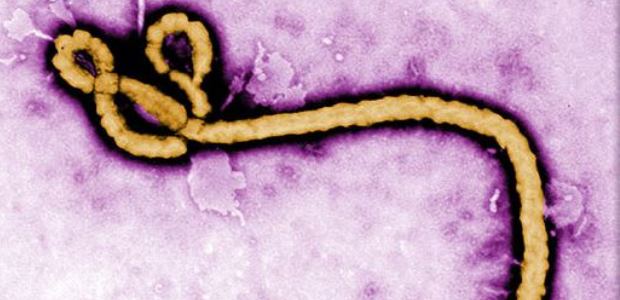
"CDC's Ebola exhibition shows what it was like 'inside the outbreak' for one of the world's worst public health emergencies," said CDC Acting Director Dr. Anne Schuchat, M.D. "I hope people will leave the museum recognizing that, with commitment and will, working together, we can change the world and make it a safer, healthier place for everyone."

Requests for Electrical Inspection (electrical permits) filed with DLI on or after July 1, 2017, are subject to the provisions of the 2017 NEC, and electrical license examinations also are based on the requirements of the 2017 NEC.