
Companies are turning workplace safety into a personal matter. Bringing innovative materials science to PPE is a priority for end users and brands alike.
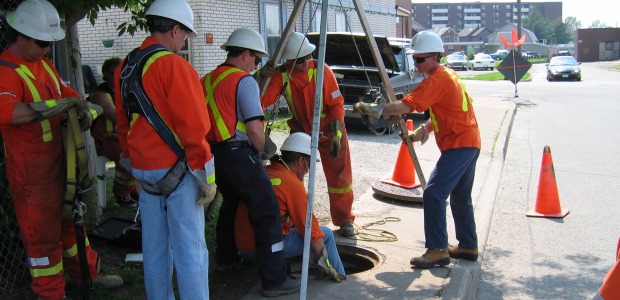
The reality is permit required confined spaces are still the leading cause of multiple fatalities in the workplace.

Every job needs to have not only a job description, but also a hazard analysis, which can change over time.
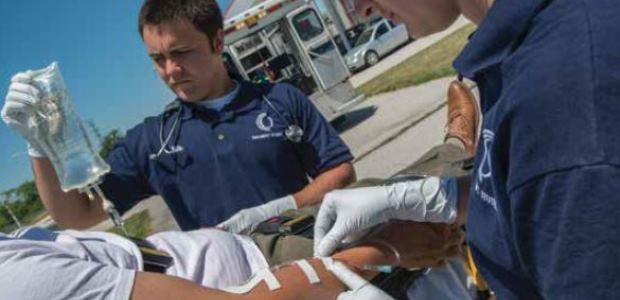
Those most likely to be exposed, such as police and fire personnel, EMTs, ER staff, and forensic lab personnel, should be transitioning to gloves that provide comprehensive protection against fentanyl.
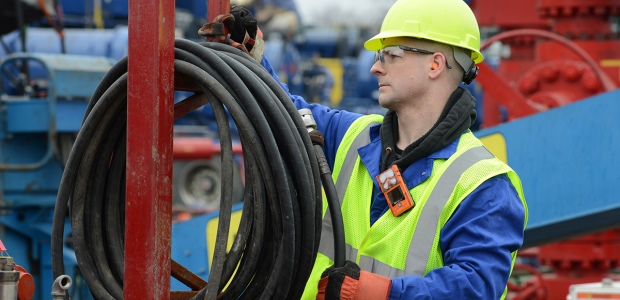
Catalytic bead LEL sensors need a certain level of oxygen to correctly read combustible gas up to 100% LEL.
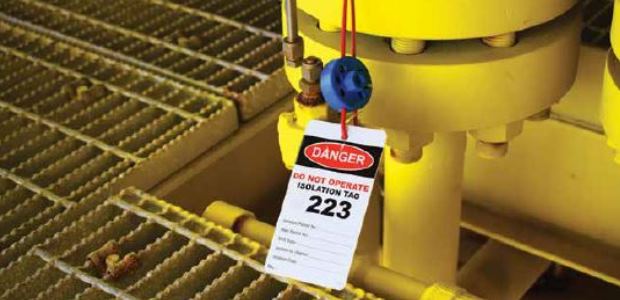
OSHA's lockout/tagout standard, 29 CFR 1910.147, explains exactly why employees must be trained. It also requires different levels of training for three categories of employees.

Each end-use situation must be evaluated for its particular risks.

The new regulations bolster the existing requirements for fire-fighting and life-saving equipment, establish standards for construction and arrangement of newly constructed vessels, and phase in machinery and electrical standards during the next decade.

One objective listed in it concerns motor vehicle crashes, which accounted for 44 percent of all fatal injuries in the industry during 2016, according to BLS. Actions under this objective include identifying and promoting strategies to increase seat belt use, strategies to improve driver performance, and strategies to reduce driver fatigue and driver distraction.

Both Boeing and Airbus forecast very strong demand for commercial airline pilots during the next two decades. The aviation industry faces a pilot labor supply challenge, says Keith Cooper, vice president of Training & Professional Services for Boeing Global Services.

According to CDC, an estimated 61 million adults in the United States are at high risk for serious vision loss, and the annual economic impact of major vision problems among Americans older than 40 is more than $145 billion.

Deaths from red light-running crashes in the United States have been rising since 2012, and the number of communities with the cameras has been falling.

It will clarify each agency's role in the permitting process for potential LNG projects and implement procedures into FERC's authorization process that will leverage PHMSA's safety expertise to evaluate potential impacts on public safety.

The new standard offers a dynamic control of food safety hazards combining the following generally recognized key elements: interactive communication, systems management, Prerequisite Programs (PRPs), and Hazard Analysis and Critical Control Points (HACCP) principles.
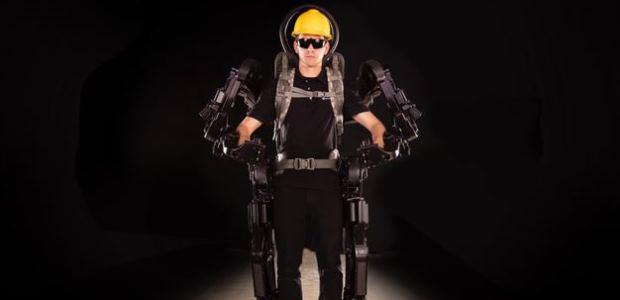
Recent advances in powered, full-body exoskeleton technologies are shining a new light on the subject of spine health and back injuries and are shaping up to be a viable solution.

It makes six recommendations to improve NHTSA's processes for monitoring recall remedies and scope and overseeing safety recall implementation. NHTSA concurred in full with three of the recommendations and partially concurred with the others.

The president also approved relief from other FEMA programs, including legal aid, crisis counseling, and unemployment benefits.