
Manufacturers are making fall protection equipment that is not only stronger, but also lighter than ever before.

Three tips for choosing the right kind of protective apparel for workers.
Gravity sees all of us as equals, and it’s the force responsible for one of the most common types of workplace injuries: falls.
Workplace noise measurements are critical to keeping workers and workplaces safe; make sure your noise dosimeters are appropriate and up to snuff.
How should you decide which gloves will best protect your workers from cut and puncture hazards?

It all loops back to safety.

SAMHSA’s mandatory guidelines have served as the blueprint for many state drug testing laws and policies since 1988. But new methods for oral fluids testing will mean big changes.

Employers should follow safety regulations to protect their employees. But quite frankly, those measures do not cut it.

Employers must work to protect workers from heat-related illnesses during the hot summer months.
Understanding the differences between various kinds of head protection products available means employers can protect their workers with the best kind of protection.

Sleep deprivation can affect our energy levels, productivity levels, and our livelihoods. Here’s how employers might be able to help.

The National Safety Council has asked presidential candidates to utilize the National Plan to Address Opioid Misuse—a recent plan to combat addiction.

Google says it fired four workers for violating company policy, but workers are saying the company is punishing them for speaking out about company ethics.
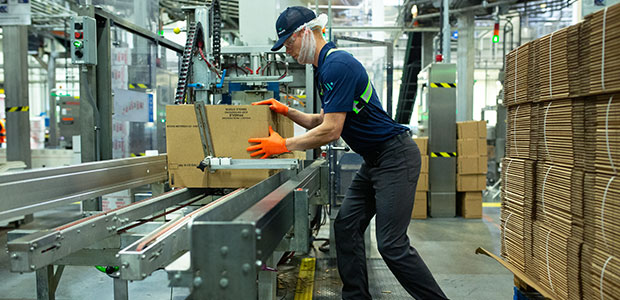
Below are three innovative ways that organizations are investing in their employees to set themselves up for the next decade, while protecting themselves from the current manufacturing downturn.
Episode 6
OH&S Editor Sydny Shepard sits down with not one, but two, members of the ISEA Hand Protection Group — Jill Clements and Matt Block — to discuss reducing the risks of hand injuries. Sponsored by Glove Guard.

A recent report by the Bureau of Labor statistics reveals that companies are losing more and more employees to suicide—and they don’t really know what to do about it.
Seventy-five percent of employees are more likely to stay with their employer because of the benefits package. How often should you review your benefits program?