Wind turbines are getting larger and larger. Some turbines' nacelles can be about 160 meters—about 525 feet—above the ground, and the blades can be about 75 meters long.

Warning! This is a test. This is a test of the Emergency Response Plan.
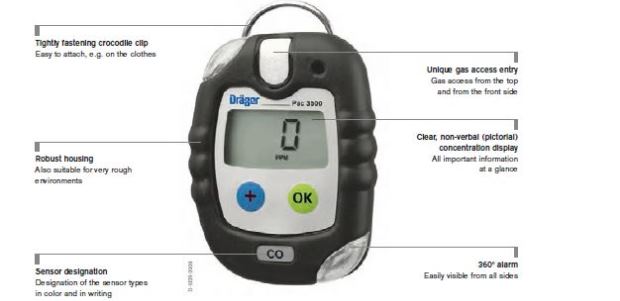
Safety should always be of the highest priority—it is the reason these detectors were invented, after all.

After identifying the hazards, the exposure levels from the exposure assessment must be compared to the permissible exposure limit, as set by OSHA, to determine whether respiratory protection is needed.
What you think helps actually can make things worse. For example, increasing coefficient of friction can increase trips when footing "sticks" on a surface.
Gov. Larry Hogan this week unveiled the Paid Leave Compromise Act of 2018, saying it will be filed as emergency legislation and be ready on the first day of the legislative session starting in January. He vetoed HB1, the paid leave bill passed by the General Assembly, in May 2017.

We congratulate the 23 winners in our ninth annual contest recognizing the most innovative new safety products.
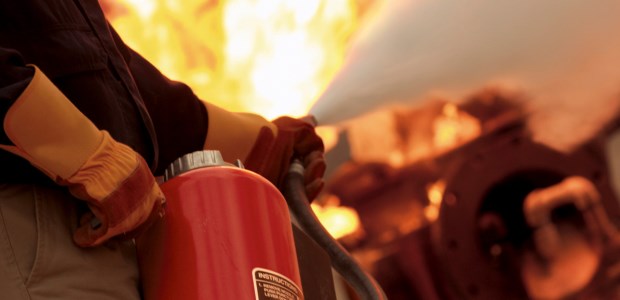
In tough, high-hazard environments, fire extinguishers are put to the test.
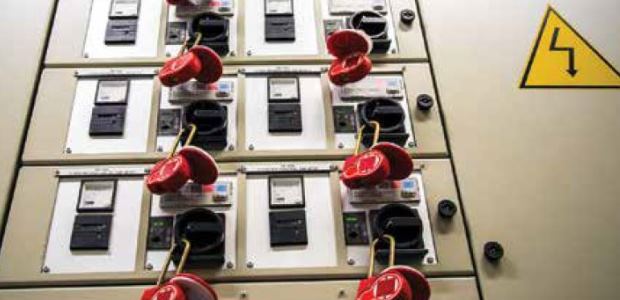
We have found that only about 10 percent of companies run effective lockout programs. In fact, we have observed that up to three-out-of-ten employers have no lockout program at all.
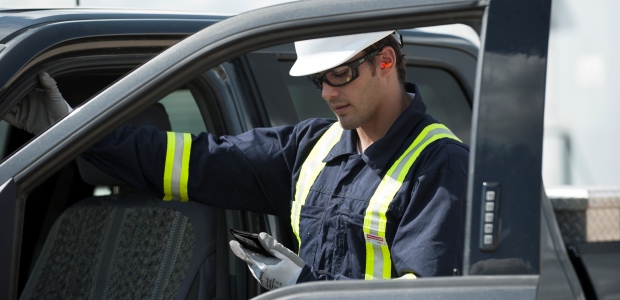
Acquiring the latest software for safety management and monitoring can make a significant difference. The key is connected technology.