Eliminating backlogged applications at some OSHA regional offices and instituting a national process for handling them are two goals the agency is working on.

The VPPPA annual national conference has more than 3,500 attendees and its largest exhibitor number ever, Director-at-Large J.A. Rodriguez, Jr. and other officials reported Aug. 28.
DOL's news release did not elaborate or mention what the department has in mind, saying only that DOL "plans to update the Overtime Rule, and is interested in hearing the views and ideas of participants on possible revisions to the regulations."
Cal/OSHA issued three citations to Outfront Media totaling $32,435 in proposed penalties. Since 2015, the state agency has opened 11 inspections of outdoor and display advertising employers.

Each decontamination kit contains a 5-gallon bucket, detergents, scrub brushes, spray bottles, and hoses. These materials are used to help emergency responders wash soot and other possible carcinogens from their work gear.
Montes Construction LLC was previously cited in January 2018 for failure to provide fall protection, and now faces a willful citation.
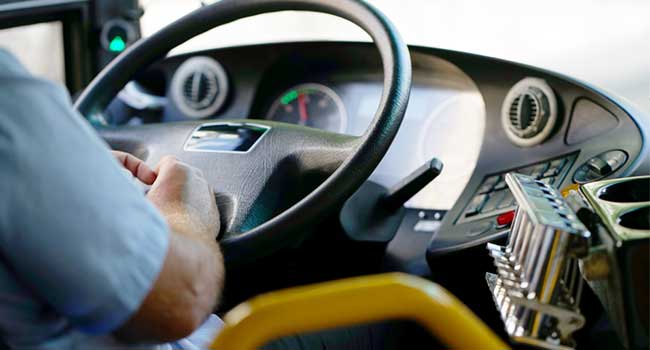
The city is looking into adding plexiglass dividers between drivers and riders to cut down on assaults.

SPONSORED
To protect personnel and manage compliance with OSHA’s HAZWOPER Standard at “uncontrolled hazardous waste sites” (e.g., Superfund sites), EHS professionals must have a full understanding of the Standard—especially the training requirements.
"Recovery work should not put you in the recovery room," DLIR Director Leonard Hoshijo said. "Storm recovery work involves a wide range of safety and health hazards, which can be minimized by knowledge, safe work practices and personal protective equipment."
According to a recent study in the American Journal of Public Health, cases of black lung are at a 25-year high in Appalachian coal mining states, and as many as one in five underground coal miners in Appalachia has evidence of black lung.