In a COVID-19 world, social distancing and washing your hands are two of the most important safety measures. However, enforcing that in public and workplace bathrooms might be challenge.
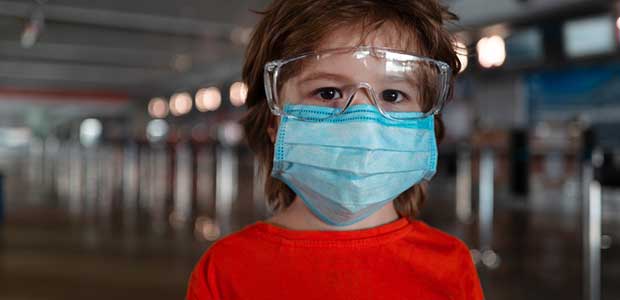
Recent discussions about the possibility of contracting the virus through our eyes are beginning to buzz. Scientists are still studying the virus for the answer, but here’s what experts have to say about the likelihood of eye-contraction and if goggles are necessary.
There are many factors to consider when saying “radioactivity is hazardous.” Here is an attempt to summarize them in five points.

How do we protect employees at work post-pandemic? Contact tracing might be part of the answer.
People are starting to loosen their social distancing practices and mask wearing—but the pandemic is not over. Here are some tips on how to go out while staying as safe as possible.
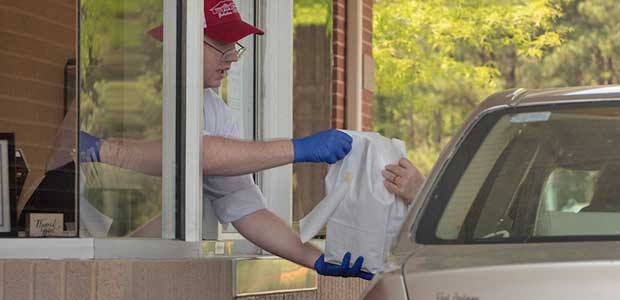
Mask ordinances vary by state and county, and many people believe the US is past the worst of the pandemic. But as workers in essential business are saying, they feel safe among themselves (with PPE and sanitation), but many customers are throwing caution to the wind.
Canadian Occupational Safety Magazine shared an article on food safety during the COVID-19 pandemic, and you might want to check out some of their tips.
Episode 14
SafetySkills Instructional Systems Design and Project Management Team Lead, Lauren Brandeberry, discusses the ever-evolving landscape of safety training and eLearning with OH&S Editor Sydny Shepard on this episode of the podcast.

Connected safety and data collection are crucial to worker safety—but maybe now more than ever during the pandemic and its many remote workers. Read what Blackline Safety’s CEO Cody Slater thinks about the role of connected safety today and tomorrow.
A recent report from the National Safety Council (NSC) shares some surprising and tragic news: fatalities from motor vehicle crashes jumped 14 percent in the month of March despite quarantines.