
As digital safety tools become central to occupational health, organizations are rethinking how they protect lone and vulnerable workers through automation, smarter communication, flexible protocols and stronger safety cultures.

Occupational health professionals play a critical role in spotting early indicators of sensory loss. Knowing when to refer for a workplace assessment can prevent burnout, improve retention, and ensure employees receive the adjustments they need before issues escalate.

The new federal program aims to expand registered apprenticeships in advanced manufacturing, strengthening workforce training and supporting safer performance in safety-sensitive roles.
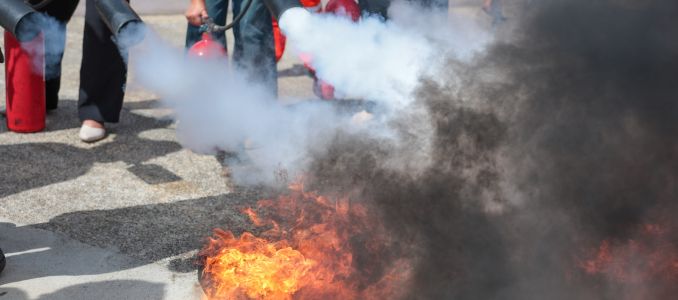
As wildfire risks grow nationwide, NFPA’s 2026 Wildfire Community Preparedness Day funding highlights the increasing overlap between community resilience and occupational safety responsibilities.
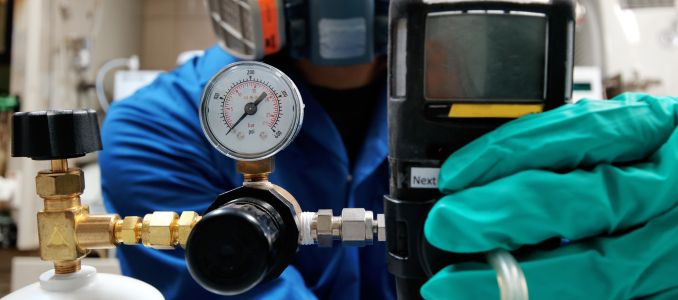
Effective training helps workers understand gas hazards, respond to alarms, and reduce exposure to toxic, flammable, and oxygen-deficient atmospheres.

AI is increasingly used to predict risks, prevent injuries, and support long-term safety decision-making, while raising important questions about governance, ethics, and worker trust.

Federal funding from the U.S. Department of Labor, administered by MSHA, will support mine safety and health training programs nationwide, expanding education and hazard awareness in a high-risk industry.

The National Safety Council (NSC) warns that evolving federal cannabis policy must be paired with strong impairment and safety controls to protect workers in safety-sensitive roles.

Targeted training and clear protocols can help construction supervisors recognize mental health risks, respond with confidence and foster safer, more supportive job sites.

New gap analysis tool helps employers identify system-level weaknesses tied to serious injuries and fatalities.

Agency highlights training, supervision, and legal requirements as youth employment increases statewide.

Manual labor employees face elevated arthritis risk long before symptoms appear, but early ergonomic intervention, task redesign and evidence-based prevention strategies can protect joint health, sustain productivity and reduce long-term costs.

The strategic partnership focuses on hazard prevention and worker training during construction of the Mark Stebbins Community Center.
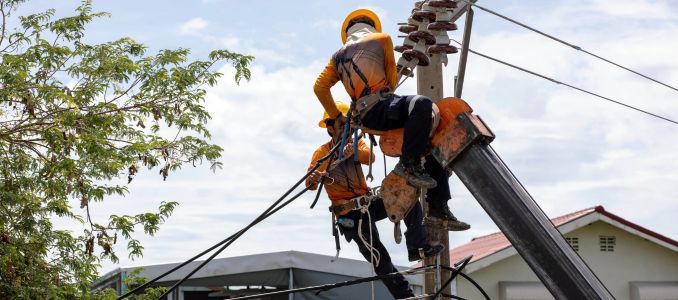
Electrical hazards can strike without warning—whether from damaged wiring, overloaded circuits, wet environments, or improper procedures. Understanding these risks and taking preventive steps is essential to protecting workers across every industry that relies on electrical power.
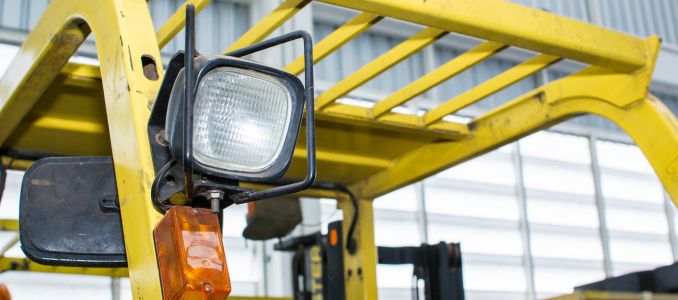
As facilities push for higher efficiency and stronger safety compliance, AI-powered cameras, predictive alerts, and advanced forklift lighting systems are redefining visibility, reducing near misses, and creating a proactive, data-driven approach to pedestrian and equipment safety.
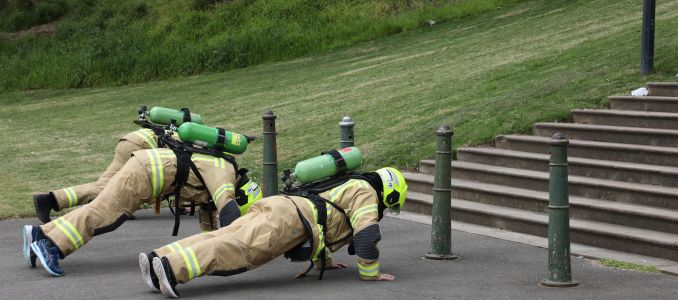
The campaign will focus on physical fitness and its role in reducing preventable injuries and deaths in the fire and emergency services during Safety Stand Down 2026, June 14–20.

OSHA has proposed nearly $395,000 in penalties after citing New Horizons Baking Co. for repeat and serious workplace safety violations involving hazardous machinery and lockout/tagout failures.