
Columbia Southern University honors construction industry veteran Danny Simpson for three decades of leadership in workplace safety.

From emerging technologies to peer-to-peer learning, attendees are discovering practical ideas they can take home to strengthen workplace safety.

From the Work to Zero Safety Innovation Challenge to networking events and the Safety Technology Pavilion, attendees will find opportunities to exchange ideas and explore emerging safety solutions.

The educational program at the NSC Safety Congress & Expo features OSHA updates, AI, leadership and human performance sessions designed to help safety professionals strengthen their programs.
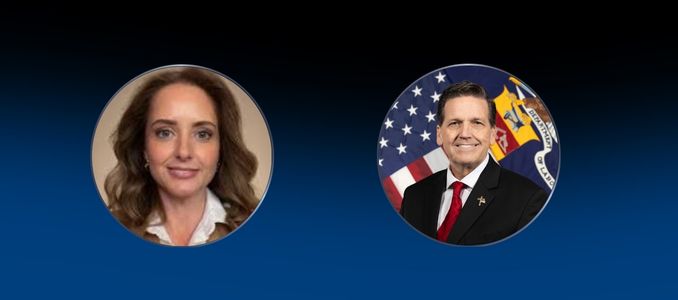
OSHA leader David Keeling and safety advocate Aron Yellott bring regulatory insight and personal perspective to this year's keynote program.
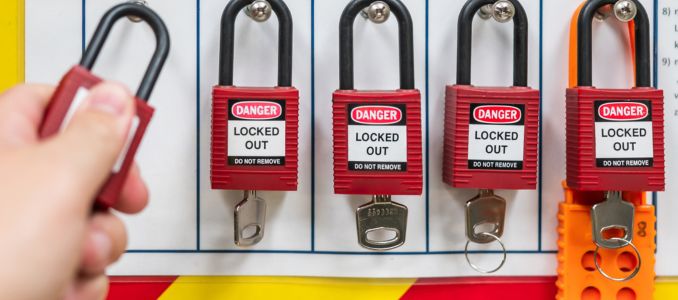
Experts find regulatory compliance alone fails to stop falls and machinery accidents, urging simple point-of-task guidance.

Trade fair organizer Messe Düsseldorf will highlight its worldwide occupational safety events at the upcoming NSC Safety Congress and Expo.

The Fired Up! National Week of Heat Action includes events in nine states calling for stronger protections against workplace heat hazards.

A total of 75 veterans received scholarships for the Advanced Safety Certificate program to advance careers in occupational safety.

Washington regulators seek construction safety agenda ideas ahead of the hybrid Construction Advisory Committee meeting on Sept 29.

Five-year extension continues comprehensive inspections targeting common hazards in warehouses and distribution centers while clarifying when inspections may be expanded.

The agency issued separate fatality alerts highlighting hazards involving powered haulage equipment and falling material while investigations continue.

The latest draft refines employer responsibilities for hazard assessments, training, and incident response.
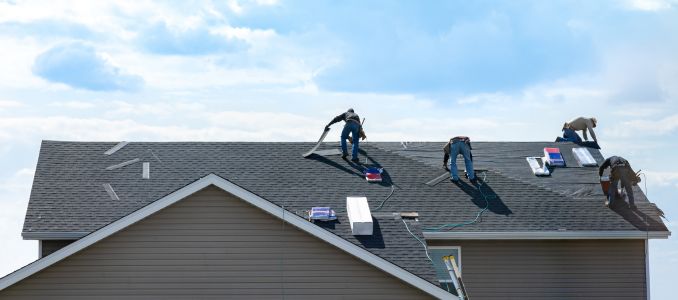
California safety officials propose $282,420 in penalties following a residential worker's fatal 24-foot roof fall in Westchester.

OSHA proposed penalties against Woodland Pulp LLC after two workers died from hydrogen sulfide exposure at a Baileyville facility.

OSHA reminds employers and workers that federal whistleblower laws help protect employees who report safety concerns and other unlawful conduct.
The survey found that many organizations lack the visibility needed to respond to growing supply chain risks.