
PPE may be the first line of defense, but accidental exposures can still happen.

What are the inspection and maintenance criteria for portable eyewash stations?
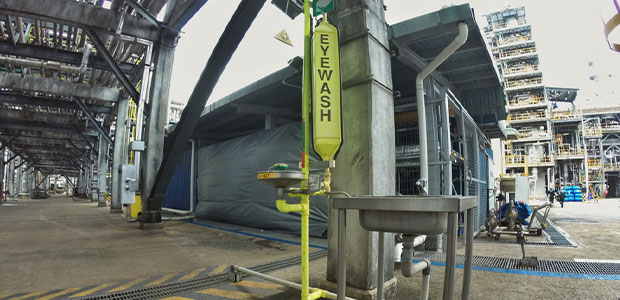
Working in sub-zero temperatures? Here is how to ensure reliable heated water for drench showers and eyewashes.

OSHA finds one willful and five serious violations.

Many workers will instinctively remove their safety eyewear to see what is in front of them.

Management should uncover emergency safety shower procedures and equipment that are not doing the job sufficiently or correctly.

Toxins are living in the showers and eyewashes; we have your guide against the hazards.

Chemicals pose a significant threat to worker safety, so there must be protocols in place and proper equipment available to prevent harm while on the job.
The safety industry continues to see developments in innovation and technology despite no trade shows to show off new products in person.

Now that many facilities are reopening, it is imperative to ensure that emergency safety equipment is compliant, in safe working order and in correct placement relative to worksite hazards.
Here are a few guidelines for staying in compliance with eyewashes, eye/face wash combos and drench showers.
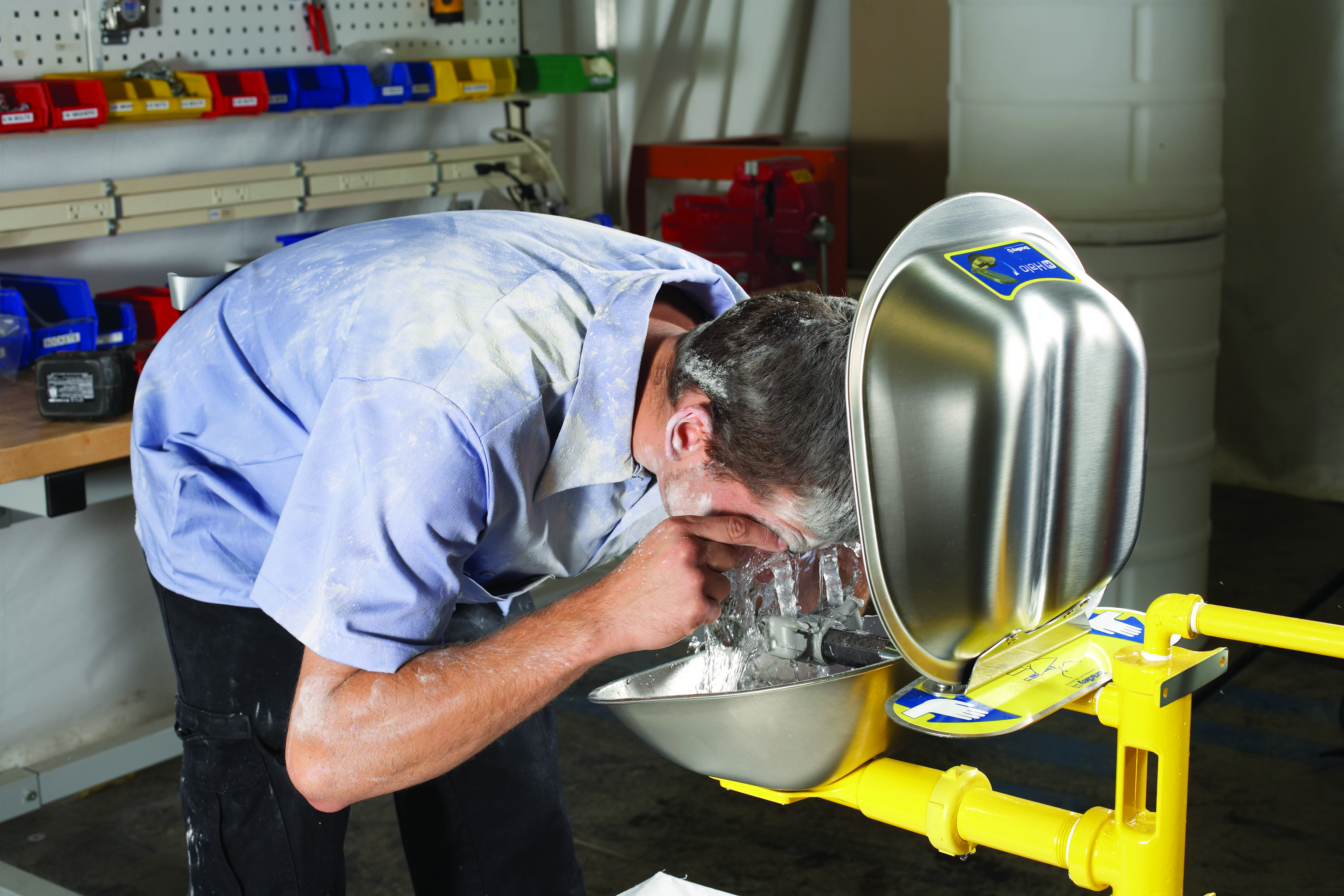
The need for sufficient and properly working emergency eyewash and shower devices in workplaces is real and pervasive.
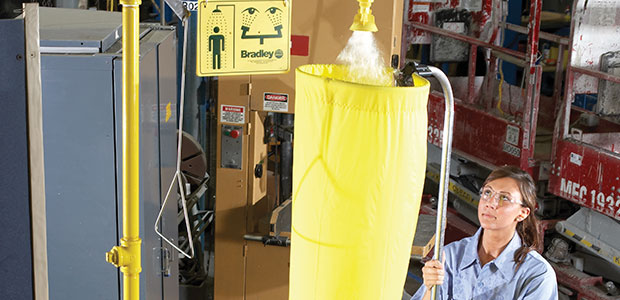
Testing is an essential part of ensuring that emergency systems work.

A thorough hazard evaluation will help determine what each worksite needs.

San Diego Convention Center will be the backdrop for this year’s NSC Congress & Expo.

Training provided to workers must cover the physical and health hazards of chemicals in the work area and measures workers can take to protect themselves.

Include it in all of your safety topics . . . first aid, chemicals, materials handling. Do whatever is needed to ensure a working, well-documented, accurate program.

One of the highlights is a June 12 panel discussion on how increased use and legalization of marijuana affect companies' efforts to maintain drug-free workplaces.

It is critical to ensure that the equipment is functioning properly and highly visible in case of an emergency.
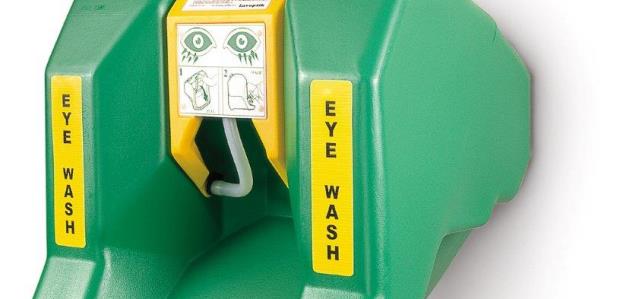
Employees must be trained to hold their eyes open during the flushing process. All employees also should be trained on how to use the emergency equipment fixtures before they handle hazardous chemicals.