
The Construction Safety Council launches an initiative to curb the risk of silicosis by educating construction workers on protective practices and exposure limits.

From wildfires to floods, cleanup crews face serious respiratory and skin exposure risks. What lessons can be learned from the Lahaina and California fires and applied to PPE and respiratory protection programs?

This week’s new safety products enhance workplace safety and productivity with solutions like AI solutions, dust control fans, benchtop ionizers and USB flashlights.

A hazardous gas release at soap manufacturer AFCO hospitalized 12 workers, leading to OSHA citations and over $161,310 in penalties.

Cal/OSHA reminds employers to follow wildfire smoke safety regulations, as Los Angeles County experiences unhealthy air conditions.

Moisture measurement in powder and bulk solids operations is vital to improving process control.

California has adopted a permanent standard to protect workers from silica dust exposure, addressing the risks of silicosis and enhancing enforcement measures.

Why IAQ management during these seasons is critical and how it reduces respiratory risks.

NIOSH has awarded three innovative solutions for improving real-time respirator fit evaluation as part of its $350,000 Respirator Fit Evaluation Challenge.

What qualities and knowledge do respiratory protection program administrators need?

Technological advances throughout the 20th century to today have made possible the elimination of many hazards in the workplace. For those situations where exposure to hazards is unavoidable, the use of PPE is a literal lifesaver.

Nearly 2,000 respondents in the United States, Canada and Europe participated in the survey.

Five key safety standards are crucial for preventing occupational lung diseases.

Expert Dennis Terpin discusses the various respiratory issues involved in disaster response and the key components of a respiratory protection program in disaster scenarios.

Allied Powder Coating faces a total of $338,094 in proposed penalties.

Indoor air quality monitoring, through effective sampling protocols and data analysis, is crucial for identifying and mitigating hazardous pollutants in the workplace.

A century after doctors first warned that asbestos was harming employees, the malignant mineral poses ongoing risks.

Choosing the right supplied air respirator involves understanding specific hazards, regulatory requirements, and ensuring proper fit and comfort to maintain worker safety in toxic environments.

The agency found that Seattle Asbestos of Washington exposed workers and homeowners to significant hazards.
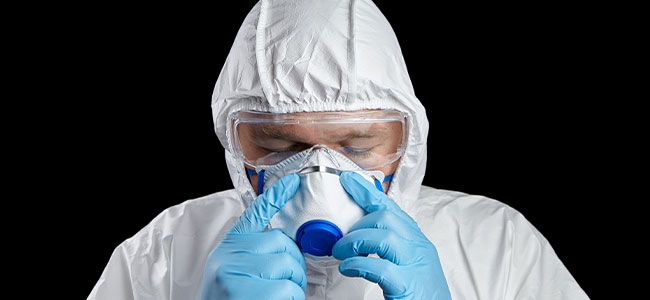
A NIOSH/NPPTL challenge aims to foster technology that helps improve respirator fit to protect workers from respiratory hazards.