
The new resource from NIOSH is sure to be needed: BLS has projected this occupation will grow faster than any other through 2016.
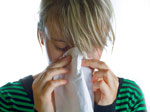
The Centers for Disease Control (CDC) tells us that proper hand washing is the single most important action each of us can perform to help stop the spread of diseases.
Food and Drug Administrator Commissioner Margaret A. Hamburg recently sent a letter to America's health care professionals thanking them for their efforts during the 2009 H1N1 influenza outbreak and providing information on safety monitoring of the 2009 H1N1 vaccines.
The fourth annual report from The Joint Commission says accredited hospitals have steadily improved patient care quality during the past seven years. By eliminating preventable complications "that today drive up the cost of care, we would easily save the many billions of dollars lawmakers are struggling so hard to locate," its president said.

An IOM committee's report outlines a national strategy for preventing and controlling Hepatitis B and C, calling them "important public health problems" and noting 5.3 million Americans have the diseases in chronic form. They are more common in this country than HIV/AIDS, but awareness is low.
On Tuesday, HHS and CDC will host a webinar with the American Diabetes Association, the American Lung Association, and the American Cancer Society. Other activities are planned all week, focusing on the importance of continuing the tide of flu vaccinations.
Closing schools for less than two weeks during an influenza epidemic has no effect on infection rates, according to a study by researchers at the University of Pittsburgh, RTI International, and the Allegheny County Health Department.
One dose of vaccine may be effective to protect infants and children and reduce transmission of the H1N1 virus, according to a study in JAMA, which was published online on Dec, 21, 2009, because of its public health implications. The study will appear in the Jan. 6 print edition of the journal.
"While the value proposition of BioMedSearch is about the content and our advanced search features, we are also excited about the prospects for researchers, scientists, and medical professionals to collaborate and participate in the community," said CEO Erik Reeves.
Investigators at Burnham Institute for Medical Research (Burnham), Mount Sinai School of Medicine (Mount Sinai), the Salk Institute for Biological Studies (Salk), and the Genomics Institute of the Novartis Research Foundation (GNF) have identified 295 human cell factors that influenza A strains must harness to infect a cell, including the currently circulating swine-origin H1N1. The team also identified small molecule compounds that act on several of these factors and inhibit viral replication, pointing to new ways to treat flu. These findings were published online on Dec. 21 in the journal Nature.

The H1N1 pandemic was 2009's biggest safety and health story, but OSHA also grabbed the spotlight last year with a blockbuster $87 million fine. For all of the attention paid to tower crane safety, combustible dusts, crumbling infrastructure, and a jobless recovery, the biggest story of 2000-2009 was Sept. 11, 2001.

The nine contracts worth up to $400 million have been awarded by the U.S. Department of Health and Human Services' Biomedical Advanced Research and Development Authority and can lead to prototype devices for responders.
The French vaccine maker announced a worldwide licensing agreement with the biotech company Syntiron to develop and commercialize its vaccine against staph, including Methicillin-resistant Staphylococcus aureus.
Results of two separate studies show lower rates of HPV vaccination in low-income populations, and identify vaccination barriers and tailored interventions that may help to increase HPV vaccine uptake rates.

The World Health Organization says millions of people have been aided by the treatment approach developed 15 years ago.
Dr. William Schaffner, president-elect of the National Foundation for Infectious Diseases, expressed optimism Wednesday that the seasonal flu vaccination rate for U.S. health workers will be higher than in 2008. The peak months for seasonal flu are right around the corner.
Most scientists believe that staph infections are caused by many bacterial cells that signal each other to emit toxins. The signaling process is called quorum sensing because many bacteria must be present to start the process.
There are no products registered by EPA for use in residential settings that will disinfect or sterilize the air or a room by fogging. Claims for disinfecting carpeting, drapes, and other porous surfaces are also false, the agency says.
The Food and Drug Administration recently approved Agriflu for people ages 18 years and older to prevent disease caused by influenza virus subtypes A and B.
Medical students are commonly stuck by needles--putting them at risk of contracting potentially dangerous blood-borne diseases--and many of them fail to report the injuries to hospital authorities, according to a Johns Hopkins study published in the December issue of the journal Academic Medicine.