Researchers at the University of Illinois at Chicago have discovered a signaling mechanism in the bacterial ribosome that detects proteins that activate genes for antibiotic resistance.
The 33-minute video explains the major components of a respiratory protection program including fit-testing, medical evaluations, training, and maintenance.
A stockpiled vaccine designed to fight a strain of avian flu that circulated in 2004 can be combined with a vaccine that matches the current strain of bird flu to protect against a potential pandemic, according to researchers from Saint Louis University's Center for Vaccine Development.
New research shows limited school closures are ineffective and only significant, widespread school closures would have real impact on the spread of an epidemic and the strain placed on hospitals' intensive care units.
Following a recent recall of potentially contaminated non-sterile alcohol prep pads, the U.S. Food and Drug Administration today reminded health care professionals about the safe use of non-sterile alcohol prep pads to clean and disinfect the surface of the skin.
An energy-efficient house that can send alerts if its residents are ill has been developed by researchers at the University of Hertfordshire.

The Jan. 27 signing of a document committing them to work jointly for polio's global eradication is a major step in what some are calling "a final push."

A partnership of Kansas State University and Mercy Regional Health Center will be ready by the time the BSL-4 lab opens in 2018, officials say.
OSHA's San Antonio Area Office initiated a safety and health inspection on July 28, 2010, at the company's facility following a complaint that employees were being stuck by hypodermic needles while sorting trash that was to be recycled.
Samples taken from public restrooms and ATMs were found to contain pseudomonads and bacillus, bacteria that are known to cause sickness.
As the editor of Occupational Health & Safety for 15+ years, about 19 percent of its existence, I believe it is more useful and relevant than ever.
Contaminating bacteria are very commonly found on the hands of anesthesia providers, with high rates of transmission to the surgical field during operations, reports a study in the January issue of Anesthesia & Analgesia, official journal of the International Anesthesia Research Society.
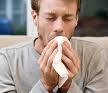
"If you get sick, stay home as much as possible except to get medical care, if needed," said CDC's Dr. Phyllis Kozarsky, an expert on travelers' health issues.
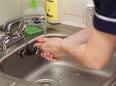
Fortunately, knowing what surfaces provide the greatest risk for disease transmission at work allows us to put a proactive plan in place to implement effective cleaning practices.
Salmonella was the leading cause of estimated hospitalizations and deaths, responsible for about 28 percent of deaths and 35 percent of hospitalizations due to known pathogens transmitted by food.
A series of studies from the Centers for Disease Control and Prevention and published Dec. 14 in a supplement to the journal Clinical Infectious Diseases provide a unique look at the science that guided the Federal Government's response to the 2009 H1N1 pandemic.
The federal agency's new Strategic Framework on Multiple Chronic Conditions outlines a public/private collaboration to address the problem. Treating these people costs 66 percent of U.S. health care spending, according to HHS.
An important award for health promotion since its introduction in 1969, the Award for Administration most recently was given to a Honduran for her work against communicable diseases.
More than 150 online courses, webcasts, and electronic publications for public health-related learning are offered there.