According to the Food and Drug Administration, millions of antibiotics will be prescribed this year. Antibiotics can be used to treat bacterial infections; however, they are commonly over-prescribed.
Hong Kong has reported its first case of the avian influenza since 2003, and the Serious Response Level has been activated.
The World Health Organization announced Nov. 6 that it will launch a worldwide campaign on that day -- April 7, 2011 -- to safeguard medicines for future generations.
Many U.S. health care providers already require employees to accept vaccinations. Henry Ford Health System requires measles, mumps, rubella, and tuberculosis vaccinations, with no opt-outs allowed.
According to new recommendations by the American Academy of Allergy, Asthma & Immunology website, anyone with a history of suspected egg allergy should first be evaluated by an allergist or immunologist for appropriate testing and diagnosis but can probably receive the vaccination.
Authors of a paper in The Lancet estimated a range of 125,000 to 277,000 annual deaths in India, the most populous country where malaria is common, although WHO estimates only 15,000 per year there.
They will give a more complete picture of the scope of natural variations in the bacteria and the disease they cause, according to NIH.

Three HHS leaders, including Secretary Kathleen Sebelius, gave a short briefing Tuesday in which they urged all Americans to get this year's flu vaccine.
Bloodstream infections are the most common hospital-associated infection (HAI) in pediatric intensive care units (PICU) and a significant source of in-hospital deaths, increased length of stay, and added medical costs.

The agency's second report on all 50 states and four localities receiving federal money for this shows improved ability to meet a public health emergency.

Get Ready Day is Sept. 21, with flu preparedness a prime focus but general emergency readiness also important. The American Public Health Association's new materials include a video to test your approach.
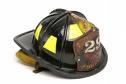
"Respiratory Diseases and the Fire Service" addresses smoking, pulmonary function testing, World Trade Center responders' respiratory diseases, disaster-related infections, and much more.
During the 2009 influenza A (H1N1) pandemic, child care center and school dismissals (i.e., temporary closures) were common and occurred in the majority of states across the United States. However, little is known about the economic and social problems parents face during such dismissals.
Scientists have reported that frog skin contains natural substances that could be the basis for a powerful new genre of antibiotics. In a report at the 240th National Meeting of the American Chemical Society, the team of stalwart frog-fanciers described enlisting colleagues worldwide to ship secretions from hundreds of promising frog skins to their laboratory in the United Arab Emirates.
An analysis of data from Denmark finds no associated increased risk of major birth defects for mothers who were exposed during the first trimester of pregnancy to the antiviral drugs acyclovir, valacyclovir, and famciclovir, often used to treat herpes simplex and herpes zoster infections, according to a study in the August 25 issue of JAMA.
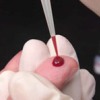
A safety alert issued this week notes that fingerstick and POC blood testing devices such as blood glucose meters and PT/INR anticoagulation meters used on more than one patient may not be safe for several reasons.
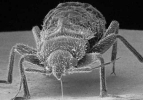
According to Terminix, reports of bedbug infestations in office buildings and retail shops are on the rise. The company offers tips for keeping the pests at bay.
"Good research and good intentions are not enough," said Otto Cars, chairman of the International Secretariat for ReAct. "Priorities need to be established, along with new guidelines, diagnostic methods and incentives to promote investments in pharmaceutical development. Global cooperation and concrete proposals are required."
Hospitals vary in how they detect and treat drug-resistant staph infections, but most follow national guideline recommendations, according to researchers at the University of Illinois at Chicago.
Following a review undertaken because of challenges presented by the H1N1 flu vaccine, the department wants a better pipeline to move vaccines, medical equipment, and supplies for medical emergencies.