
Prescription safety glasses provide the protection, comfort and clarity standard PPE often lacks—helping reduce eye injuries and improve workplace safety.
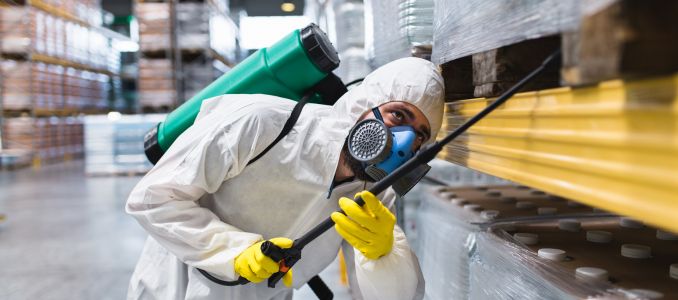
Understand why the physics behind your flow calibrator—primary versus secondary standards—dictates the legal and medical integrity of your worker exposure results.
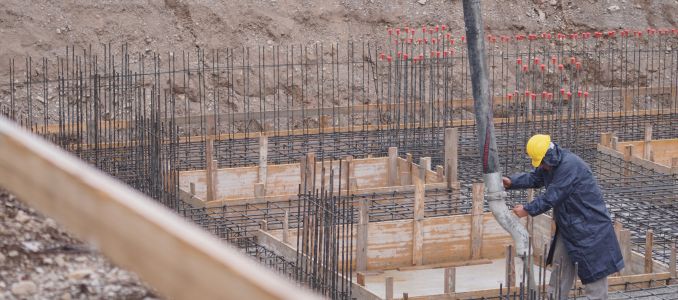
Industrial hygiene controls often fail in lone worker environments where supervision and monitoring are limited.
Federal investigators found that Mt. Fuji Hibachi in Aurora allowed minors to perform hazardous tasks and work illegal hours.
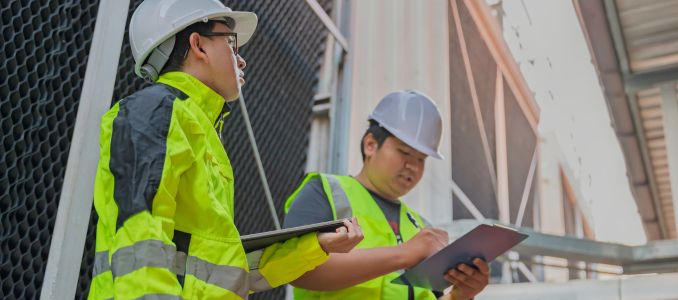
OSHA proposed more than $246,000 in penalties following a fatal hydrogen sulfide release at a Colorado dairy.
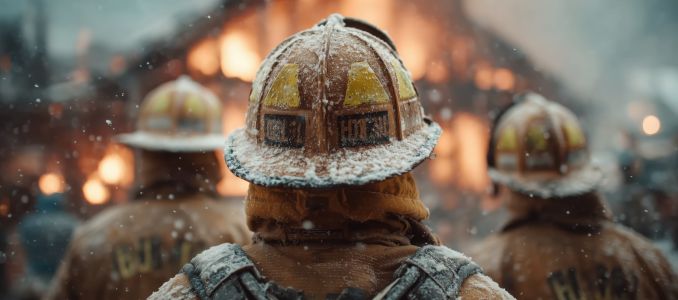
New York’s September 11th Worker Protection Task Force will meet Feb. 18 to review long-term health effects linked to hazardous exposures during Ground Zero response efforts and discuss industrial hygiene monitoring and emergency worker protections.
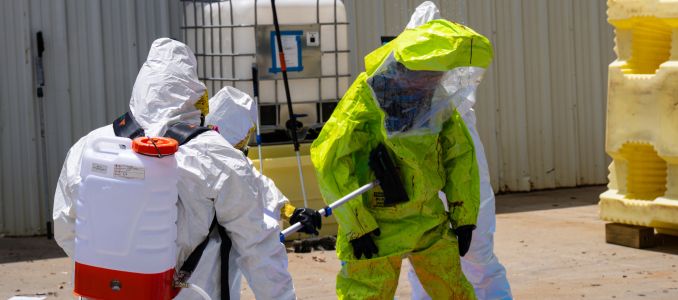
Industrial hygienists play a critical role in HAZMAT response by guiding exposure assessment, PPE selection, and long-term health protection.

February classes cover mine safety, respiratory protection, industrial hygiene, and fire department operations.

As workplace risks grow more complex, industrial hygiene programs must align exposure assessment strategies with analytical excellence to deliver meaningful worker protection.
The awards program recognizes products and solutions that advance industrial hygiene practice and workplace health protection.
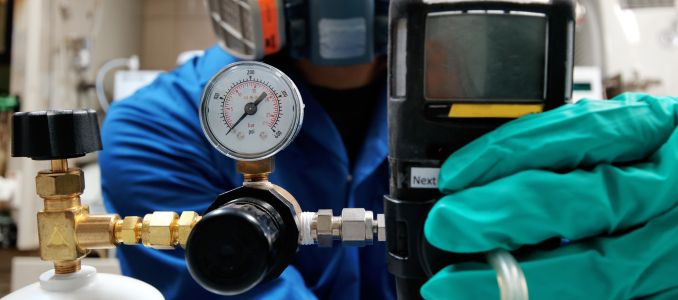
Effective training helps workers understand gas hazards, respond to alarms, and reduce exposure to toxic, flammable, and oxygen-deficient atmospheres.
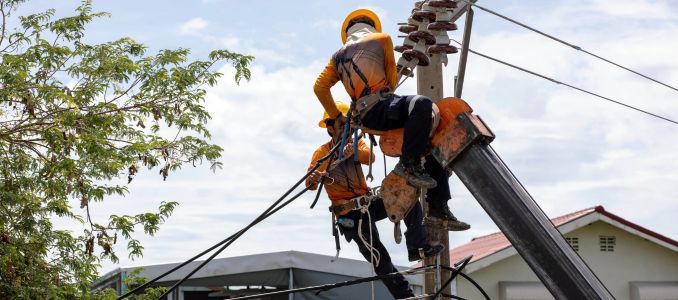
Electrical hazards can strike without warning—whether from damaged wiring, overloaded circuits, wet environments, or improper procedures. Understanding these risks and taking preventive steps is essential to protecting workers across every industry that relies on electrical power.
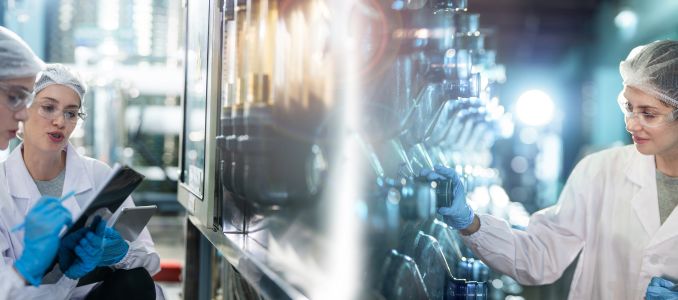
A veteran industrial hygienist examines how exposure assessment has evolved—and why today’s IH programs must integrate smarter strategies, stronger analytical quality and a deeper understanding of real-world variability to truly protect workers.
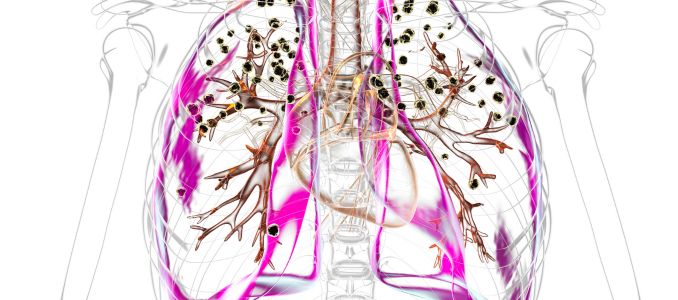
State public health officials are urging employers in the stone countertop sector to strengthen silica dust controls, respiratory protection, and medical surveillance after confirming the state’s first work-related silicosis case in this industry.
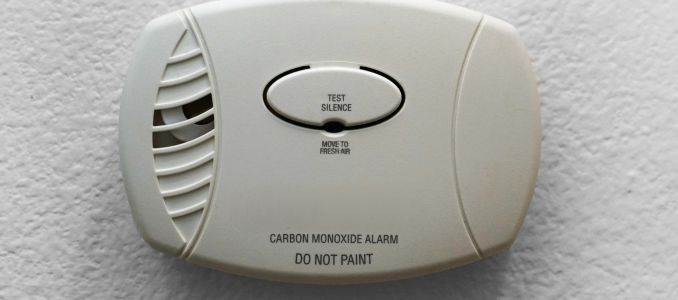
With winter temperatures driving more indoor equipment use, KYSAFE is urging Kentucky employers to recognize and prevent carbon monoxide dangers by improving ventilation, avoiding fuel-burning tools indoors and using reliable detection systems.

The acquisitions enhance Examinetics’ nationwide support for workplace safety and regulatory compliance.
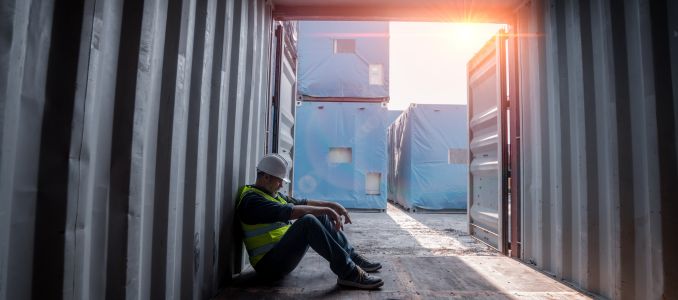
Industry leaders say rising fatigue, economic pressure and mental overload are eroding fitness for duty in high-hazard sectors — increasing human error, near misses and the risk of catastrophic incidents.

A 2025 benchmark report from J. J. Keller and ASSP highlights pressing issues like inconsistent PPE use, inadequate training and limited mental health support affecting job-site performance nationwide.
Flexible schedules can reduce exposure risks and stress for workers in treatment—strengthening safety, health and overall well-being.
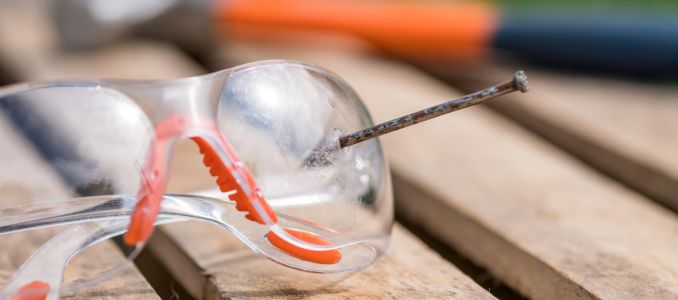
From flying debris and chemical splashes to radiation, dust, and high-pressure equipment, industrial environments expose workers to eye hazards every day. Understanding these risks—and using the right protection—can prevent injuries and safeguard long-term vision.