
How workforce wellness, PPE fit and fatigue reduction are transforming safety programs from reactive protection into proactive performance strategies.

Bi-polymer glove coatings improve grip, durability and dexterity, reducing risk and enhancing performance in demanding work environments.
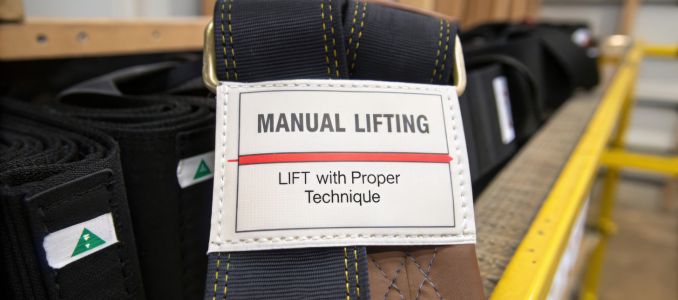
Ergonomics training is only effective if workers and supervisors truly understand it—plain language reduces confusion, improves engagement, and strengthens injury prevention efforts.

Musculoskeletal disorders driven by fatigue, repetitive motion, and poor workstation design are straining workers and threatening the sustainability of the modern supply chain.

The National Safety Council’s 2024–2025 MSD Solutions Index Pledge Community Report finds many organizations strengthening safety culture but urges clearer risk-reduction goals and broader adoption of MSD prevention tools and technologies.

Traditional classroom training rarely changes how people work. Microlearning—short, focused, practice-based modules—helps employees master safer techniques, improve comfort, and reduce injuries by making ergonomic strategies tangible and repeatable.

The monthlong campaign offers a practical, four-step approach to preventing sprains and strains by strengthening leadership, worker involvement and follow-through.
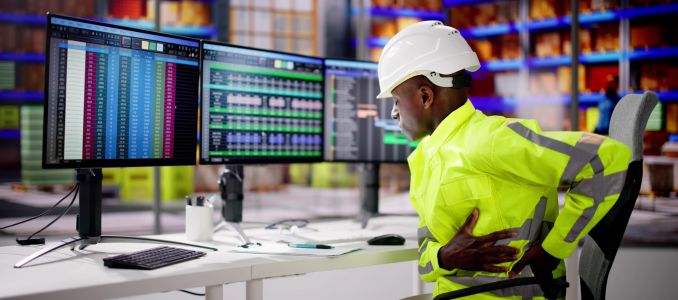
As hybrid work becomes the new normal, adjustability, training, and thoughtful design can make shared office workstations safe, comfortable, and productive for everyone.
Musculoskeletal disorders (MSDs) remain the leading cause of workplace injuries and lost time, costing U.S. businesses nearly 18 billion dollars annually. A new NSC MSD Solutions Lab report reveals that nearly 30 percent of workers with MSD pain don’t report it—highlighting a major trust and communication gap between leaders and frontline employees.

Women in industry face unique risks when protective gear doesn’t fit. New approaches to design are transforming PPE to improve safety, comfort, and inclusion.

The National Safety Council will award up to $300,000 in new funding through its Research to Solutions and MSD Solutions Pilot Grant programs, continuing efforts to reduce musculoskeletal disorders across workplaces nationwide.
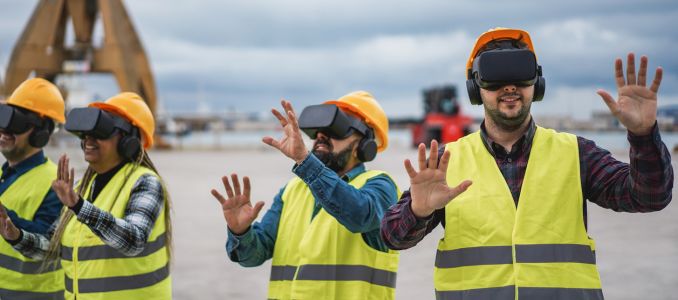
Industrial leaders are turning to wearable technology—from exosuits to smart sensors—to reduce injuries, extend careers, and tackle the growing skilled labor shortage.

Industrial workstations and technical furniture are evolving from simple equipment into strategic tools that reduce injuries, boost worker health, and improve operational performance across manufacturing environments.
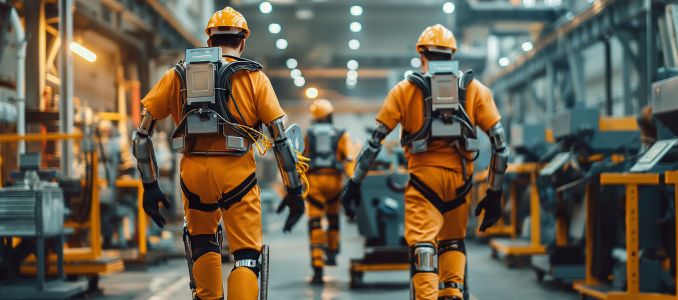
New survey finds disconnect between safety leaders’ perceptions and frontline worker experiences in musculoskeletal disorder prevention.
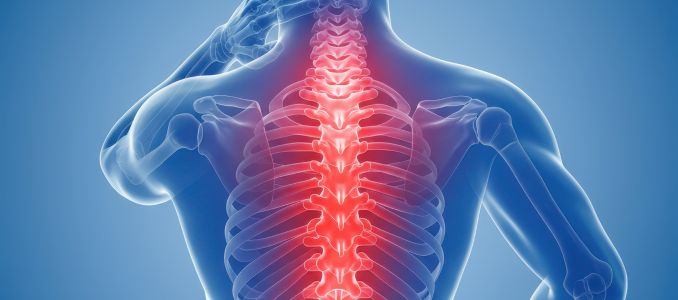
NSC highlights 10 cutting-edge technologies aimed at reducing musculoskeletal disorders, with MākuSafe named winner of the 2025 Safety Innovation Challenge.

New analysis shows injuries are concentrated in specific locations and sectors, offering a roadmap for targeted prevention.

Warehouse injuries often stem from small daily habits, but smarter material handling, better ergonomics, and proper training can significantly reduce risks and protect workers.
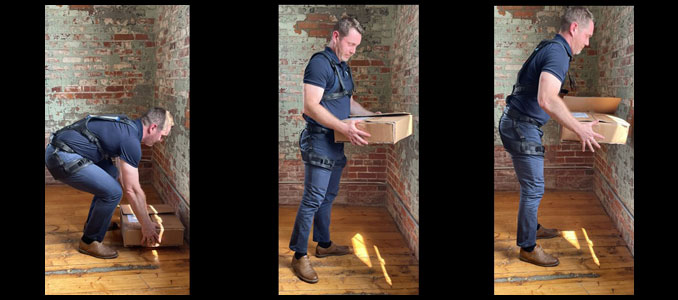
Exoskeletons are emerging as a powerful ergonomics tool, but questions remain about fit, task matching, worker acceptance, and long-term impact. Here’s what safety leaders should weigh before adopting them.

Free workplace safety trainings will be held in Augusta this July, covering topics including ergonomics, silica exposure, ladder safety, electrical hazards, and OSHA compliance.