
Revised ANSI/ASSP A10 standards address worker hoists, safety nets, emergency preparedness, drilled shafts and debris containment systems.
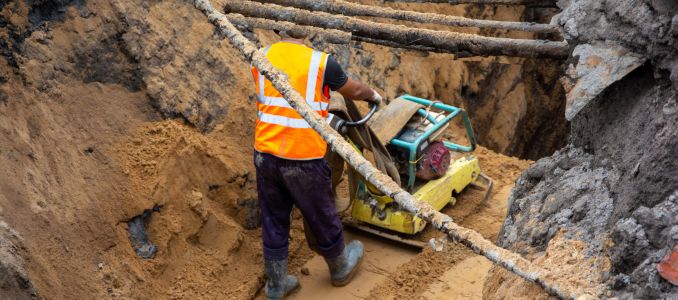
New regulation requires contractors to submit a detailed written safety plan before digging begins to prevent fatal cave-ins.
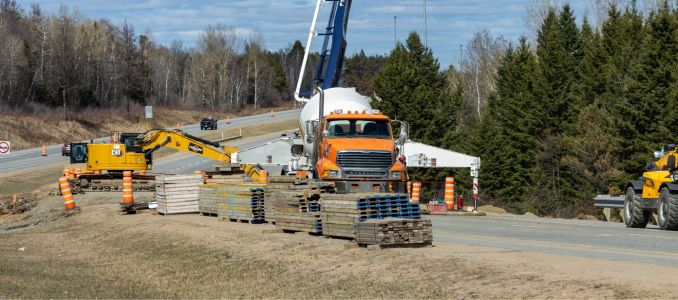
Active work zones remain highly dangerous as safety teams deploy drone imagery, digital navigation alerts and wearable PPE strobes to protect crews.
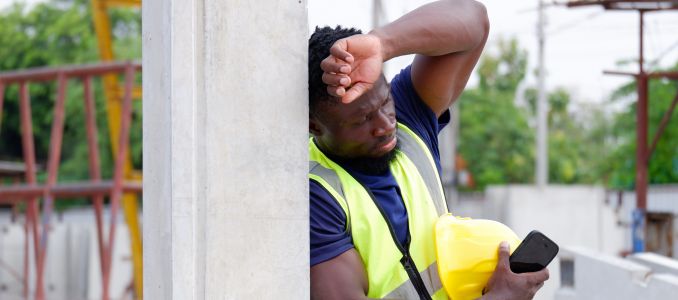
A Jacksonville-based facility will study how extreme heat affects outdoor workforces as federal regulators increase safety inspections.

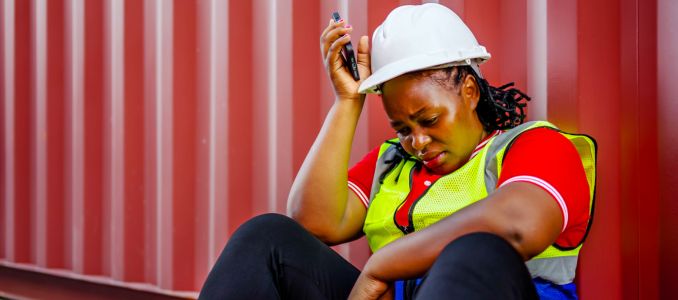
The tool manufacturer partnered with the American Foundation for Suicide Prevention to reach over 100,000 workers during Construction Safety Week.
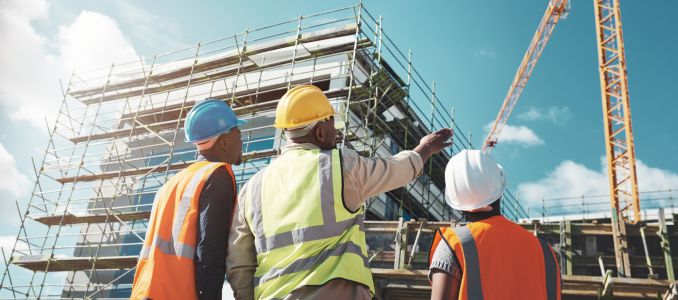
While statewide deaths decreased from a 2023 peak, non-union sites and Latino workers continue to face disproportionate risks on the job.
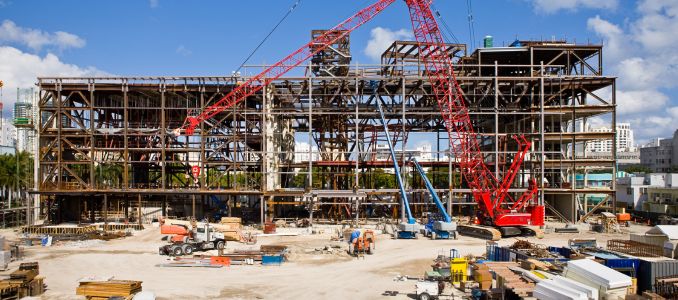
Accelerated timelines and complex electrical commissioning phases create a narrow margin for error for construction crews.
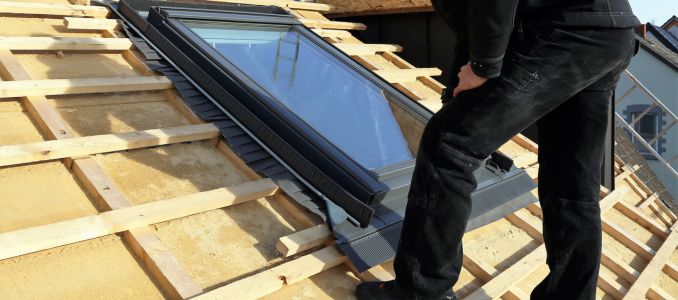
State officials are urging employers to strengthen fall protection measures, training and hazard awareness as roofing work increases and risks remain high.
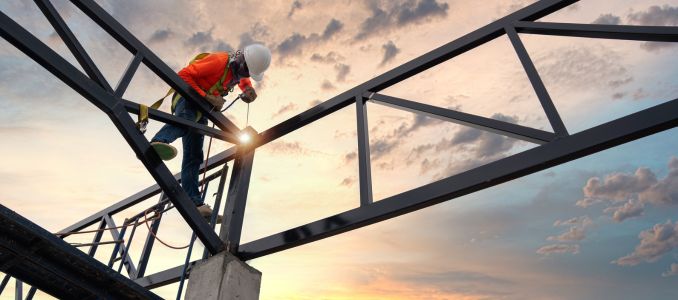
The May 4–8 event urges construction employers and workers to pause operations and focus on fall prevention through training, hazard awareness, and jobsite safety activities.
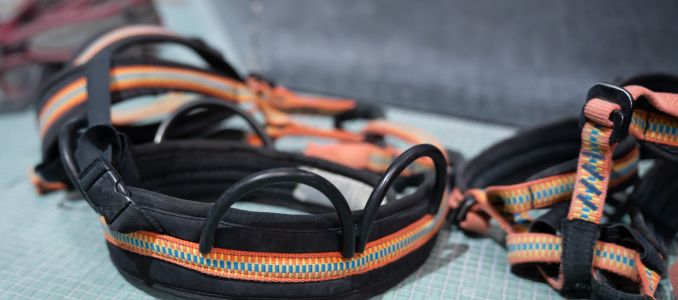
The National Safety Council is urging employers and workers to take part in the May 4–8 Safety Stand-Down to Prevent Falls, with an emphasis on education and risk awareness in the construction industry.
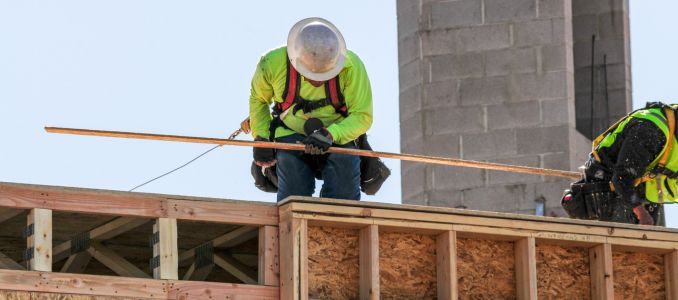
Structural failures in a temporary balcony railing led to a fatal 14-foot fall during a loading operation at a Washington construction site.
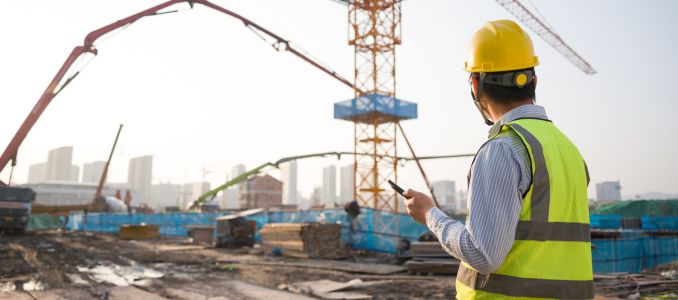
Construction crews are encouraged to use site-specific checklists and worker feedback to refresh accident prevention programs.
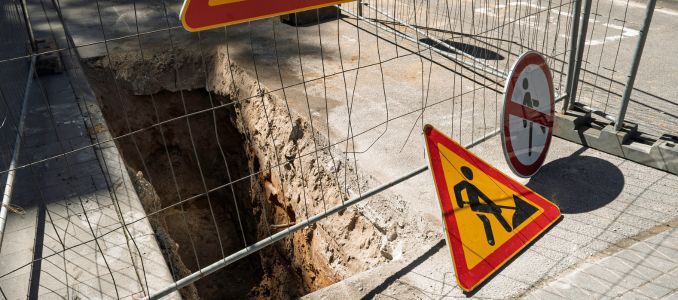
The Department of Labor & Industries aims to reduce excavation fatalities by requiring site-specific risk analysis and constant supervision.

State initiative aims to train nearly 400 workers for construction and infrastructure jobs through apprenticeships and support services.
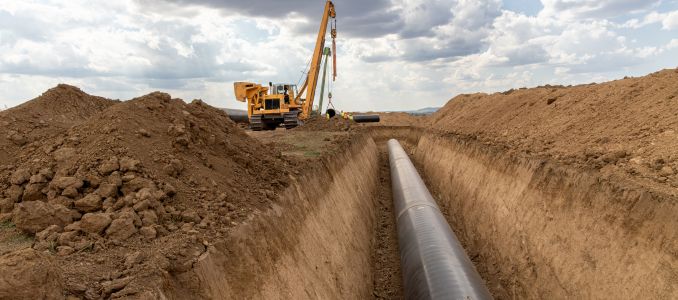
OSHA orders a New Mexico firm to pay over $35,000 in damages after an inspector was fired for reporting safety violations.
Wayne State University and the Islamic Center of Detroit launch MIOSHA-funded safety sessions for construction and general industry workers.
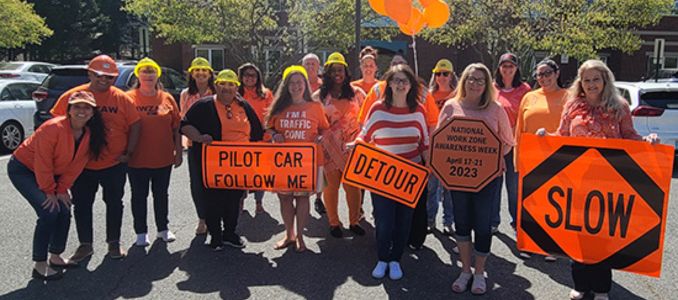
Advocates encourage roadway workers and the public to wear orange to highlight the importance of work zone safety and visibility.
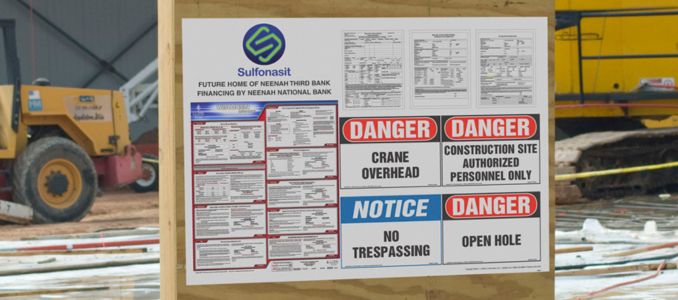
The polyurethane display organizes required labor law and safety notices into a single weather-resistant format.
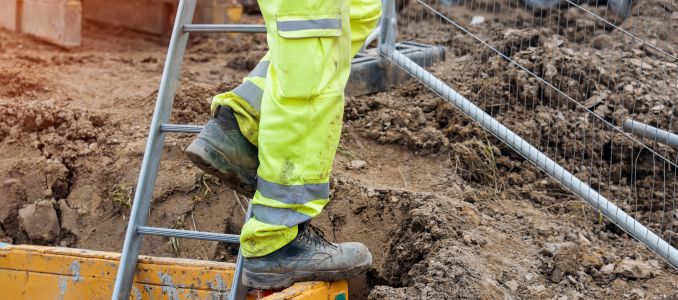
The agency found multiple safety violations, including an unprotected trench, following a worker’s death in December 2025.
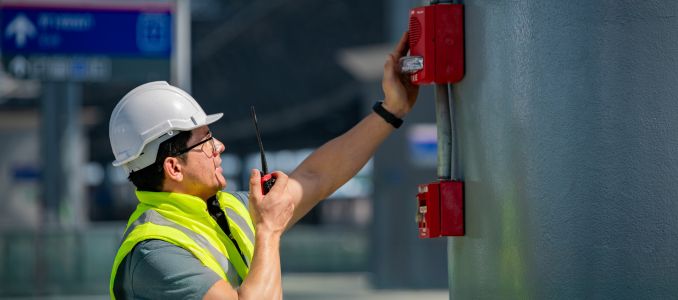
The industry is shifting from traditional fire watches to tech-driven monitoring to mitigate human error and protect high-value construction sites.