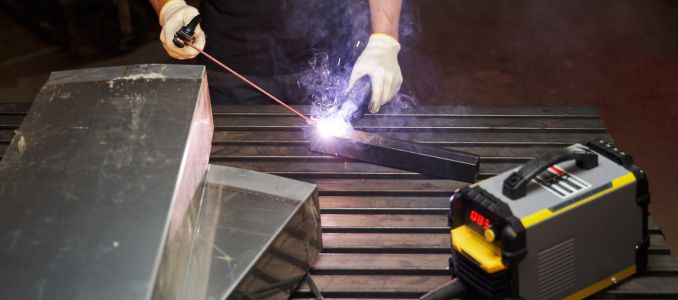
The Fire Protection Research Foundation is launching a new research project to better understand direct current arc flash hazards as DC-powered systems become more common in the workplace.

Construction accidents often increase near the end of a shift due to fatigue, distraction, rushed work, and changing site conditions.
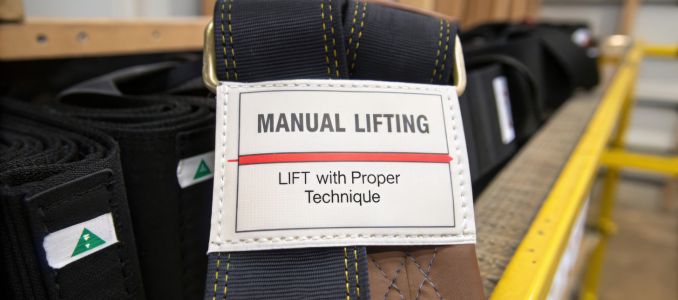
Ergonomics training is only effective if workers and supervisors truly understand it—plain language reduces confusion, improves engagement, and strengthens injury prevention efforts.

The National Safety Council is backing the revised ASTM E2920-26 standard, saying it offers clearer guidance for identifying and reducing serious injury and fatality risks.

National COSH and Arizona workers urged ADOSH to adopt an enforceable heat standard during a public hearing focused on workplace heat safety protections.

Cold storage automation increases safety complexity. Smart infrastructure design protects workers in sub-zero environments.
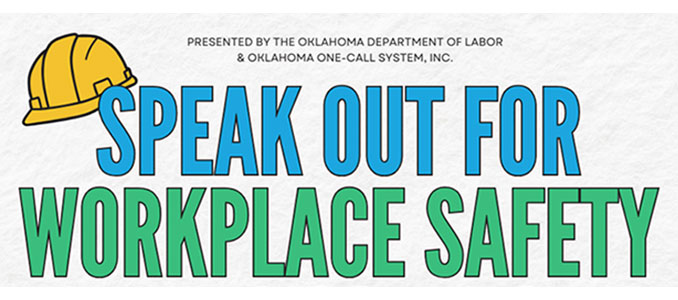
The Oklahoma Department of Labor invites high school students to enter the 2026 Speak Out for Workplace Safety video contest promoting youth workplace safety awareness.
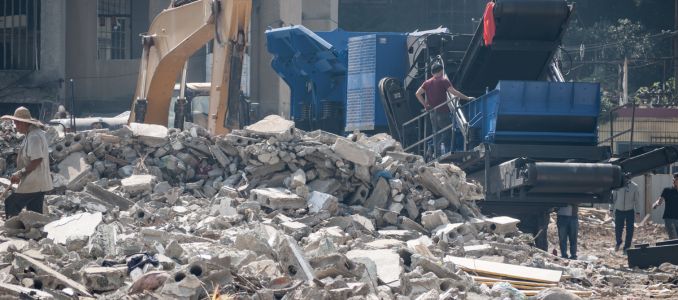
Outdoor job sites present changing hazards tied to terrain, weather, fatigue, and exposure time. Learn how safety managers can identify overlooked risks and reduce injuries.

OSHA requires PPE to properly fit each worker. Learn how poor PPE fit creates compliance risk, common violations, and how employers can build a defensible fit program.

New Products feature roadway safety technologies at its 2026 Traffic Expo, highlighting innovations designed to reduce worker exposure and improve work zone safety.