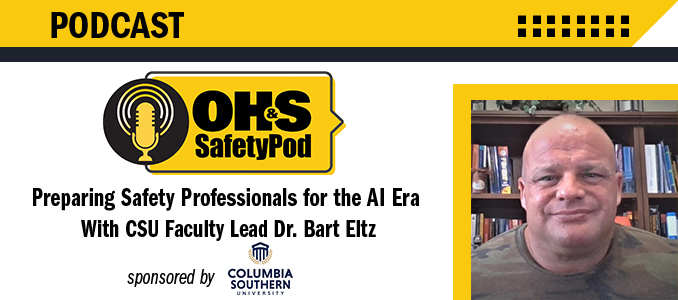
Dr. Bart Eltz of Columbia Southern University discusses how AI is transforming workplace safety, the opportunities and risks of AI-powered tools, and why human expertise remains essential.
Campus safety cannot wait as higher education shifts from reactive emergency response to continuous, intelligence-driven preparedness.

Revised ANSI/ASSP A10 standards address worker hoists, safety nets, emergency preparedness, drilled shafts and debris containment systems.

The National Safety Council has awarded grants to help employers pilot emerging technologies designed to identify, predict and mitigate worker fatigue, a leading contributor to workplace injuries and operational risk.

Stop blaming individual shortcuts; repeated safety violations reveal poorly cultivated organizational systems, inadequate job designs and silent tolerances.
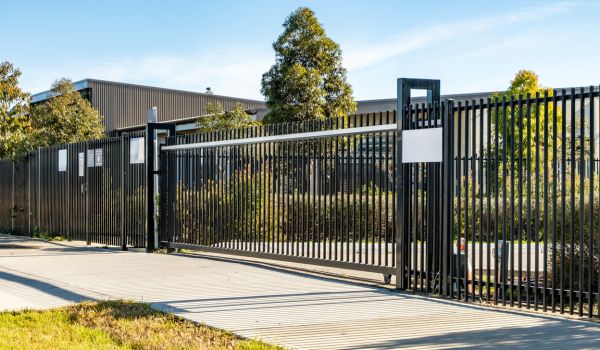
A look at recent workplace developments, including Industrial Scientific’s data platform, Donaldson’s mist collector, executive changes at T&M Associates, security barriers from Hope's Windows and Volkmann's material handling system.
HIOSH announced that workplace safety and health penalty amounts will remain unchanged for 2026 after federal OSHA declined to issue an inflation-based increase this year.
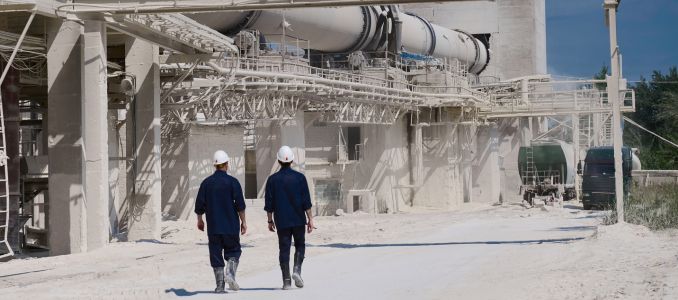
The Mine Safety and Health Administration and the National Lime Association have extended their collaborative alliance to reduce workplace injuries.
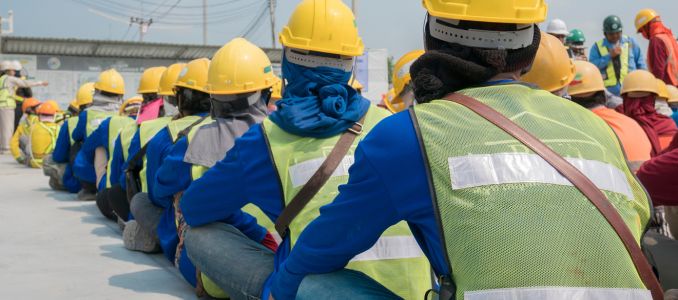
A shared organizational mindset and proactive leadership protect field workers more effectively than basic compliance checklists.

A federal agency and an industry group are partnering to provide training resources and analyze injury data to protect workers.