
The 2019 Global Risks Report identifies economic worries, major power tensions, political strains, climate catastrophe, and technological instabilities as areas of concern.
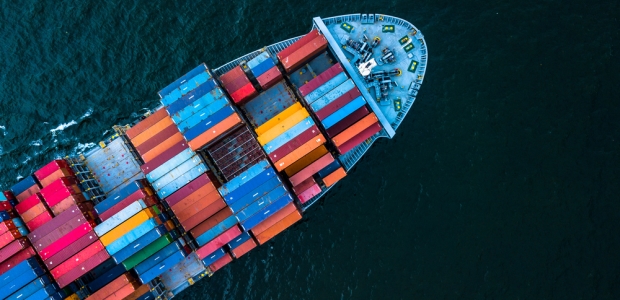
Several key questions will require focus from all stakeholders, IMO Secretary-General Kitack Lim said, including what standards seafarers will be required to meet with respect to education, training, and certification to qualify them for the jobs of the future.
Petrotechnics, a provider of operational risk software for hazardous industries such as oil & gas, railroads, and chemicals, is based in Aberdeen, Scotland.
It will provide an in-depth and analytical examination of the future of work, according to ILO, and will outline the steps needed to create a better future of work for all.

Drone pilots will need to have their Pilot Certificate and proof of registration readily available when flying their drone as of June 1, 2019.
Sixteen people were killed and 13 players were hurt when a truck driven by Jaskirat Singh Sidhu, 29, collided with the Humboldt Broncos junior hockey team's bus in rural Saskatchewan.
The course covers mobile sources and waste from decommissioning activities of power plants and research reactors. The training material includes a module dedicated to protection from insider threats.
"Companies should be aware that HSE will take robust action against those who unnecessarily put the lives of workers and the public at risk, and against those who endanger the environment, through the inappropriate supply and use of chemicals," HSE inspector Sarah Dutton said.
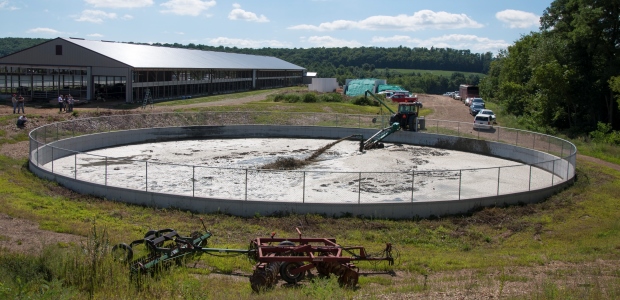
Farming is the most dangerous industry in Britain, with the latest figures showing 33 people died in agriculture settings during 2017/18. The country's agricultural industry has a fatal injury rate about 18 times higher than the all-industry fatal injury rate, according to the agency.
The $940 million AutoHaul™ program is focused on automating trains transporting iron ore to Rio Tinto's port facilities in the Pilbara region of Western Australia.

Where progress has been made, it is largely attributed to better legislation, safer infrastructure, improved vehicle standards, and enhanced post-crash care.

HSE recently met with representatives of Oil and Gas UK and the health and safety managers of several of the UK's offshore producers to discuss how the industry plans to improve process safety leadership, audits, and assurance.
The competition is an offer from Airbus to students worldwide to bring their ideas to life together with a leading global company on real industry challenges. Airbus says it is looking for ideas that change the future of aerospace and create a safer, cleaner, and better-connected world.
The Transportation Safety Board of Canada has recommended that the Department of Transport collaborate with air operators and airport authorities to identify locations in remote northern areas of the country where there is inadequate de-icing and anti-icing equipment and take urgent action to ensure the proper equipment is available.
Transport Canada is also introducing amendments to the Fit for Duty regulations that will prohibit any flight crew member to work when not fit for duty. This includes consumption of alcohol or drugs, mental and physical conditions, and fatigue.
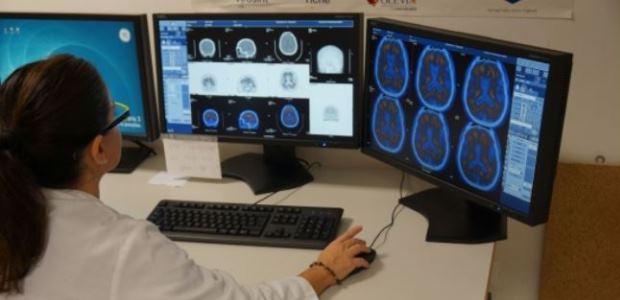
Every year, more than 35 million nuclear medicine examinations are performed globally, particularly to diagnose and manage cancer, cardiovascular diseases, and neurodegenerative disorders. Countries often lack programs to train specialists and technical personnel to facilitate diagnosis and treatment, according to IAEA.
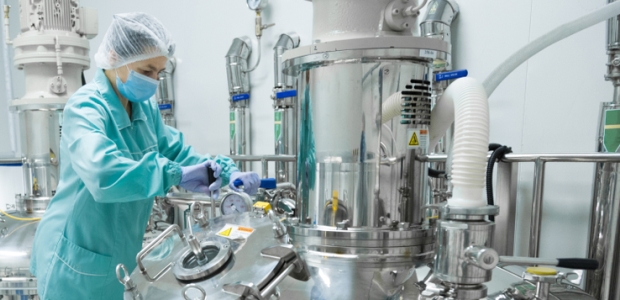
The ESENER-2 survey found 38 percent of EU companies reporting that chemical or biological substances in the form of liquids, fumes, or dust are present in their workplaces.
During the Answering the call survey, more than 21,000 police, fire, ambulance, and SES employees, volunteers, and retired and former employees answered questions about their wellbeing, anxiety conditions, depression, post-traumatic stress disorder (PTSD), and thoughts of suicide.
The annual award honors an outstanding documentary or animated film that focuses on the experiences of workers, examining such topics as the effects of economic and political change on work, workplace risks, and mental health and well-being at work.
The CRTC, which regulates the broadcasting and telecommunications service providers that distribute emergency alerts to the public, set a target that 50 percent of new devices sold in Canada be wireless public alert compatible as of April 2018 and 100 percent as of April 2019.