Investigators found that an employee of the Shawnee, Okla.-based convenience store chain was fired after complaining about safety hazards at a store. In addition to back pay and reinstatement, the Labor Department is seeking compensatory and punitive damages for the employee.
“Employers who respond to disabled individuals with knee-jerk exclusions based on myths, fears, and stereotypes, rather than considering individual abilities, put themselves at risk,” said senior trial attorney Eduardo Juarez of EEOC’s San Antonio Field Office.
Many of the alleged violations concern the nationwide food distributor’s process safety management program, which was also the case in April, when a sister facility in Nampa, Idaho, roughly 180 miles away, was charged with penalties totaling $153,000.

By focusing proper cleaning on surfaces in the office that get more hand attention, health-based cleaning services target potentially contaminated surfaces that can harbor MRSA and other harmful pathogens.
EPA inspectors found Tanco had not properly implemented its Spill Prevention Control and Countermeasures plan, including requirements for secondary containment and tank integrity testing, both of which are designed to prevent or minimize the impacts from accidental releases.

Last year's event in San Antonio, Texas (pictured), drew 2,836 attendees representing all areas and professions affiliated with the safety and health industry. For this year's conference in Orlando, organizers are expecting to up that number to at least 3,000.
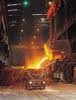
A new study by two Albanian researchers has found prevalence varying between 19.2 percent and 25.7 percent among workers in the metallurgical industry.
EEOC filed the suit in New Jersey, saying the health care provider unlawfully fired employees who needed medical leave.

The company also agreed to spend at least $500 million on safety measures at its Texas City plant. Secretary of Labor Hilda Solis today said "The size of the penalty rightly reflects BP's disregard for workplace safety."
The company received repeat citations for failing to make a reasonable estimate of employee exposure to hazardous chemicals such as hydrogen sulfide and carbon monoxide; it received willful citations for failing to implement confined space entry procedures.
The company was cited for allegedly failing to conduct drills or exercises to help prepare for a potential spill from its oil storage facility in Woxall, Pa. Under the Clean Water Act, owners of oil storage facilities must have a plan to minimize the risk of spills, including periodic exercises.
According to the Department of Justice, the amount of the civil penalty is “precedent-setting” yet “appropriate in light of the unacceptable risk” created by the underground storage tanks at the defendants’ 17 gas stations in Maryland and Delaware.
The company's "refusal to honor the requirements of this agreement reflects an irresponsible approach to worker safety and health, leaving workers vulnerable to injuries and possible fatalities," said Robert Kulick, OSHA's regional administrator in New York. "This situation is unacceptable and will not be tolerated."

"The fines and penalties reflect the gravity and severity of the deadly conditions created by the companies managing the work at the site," said Labor Secretary Hilda Solis. "No operation and no deadline is worth cutting common sense safety procedures. Workers should not sacrifice their lives for their livelihoods."
Owners and operators of natural gas and hazardous liquid pipeline facilities should have policies governing the use of personal electronic devices by certain employees, the DOT agency said Tuesday.
The purpose of the SPCC rule, which was finalized in 1973, is to establish requirements for facilities to prevent a discharge of oil into navigable waters or adjoining shorelines.
Recent FDA testing has found Listeria contamination throughout the defendants' facility and in a sample of its finished product. Although the company promised to address and correct deficiencies following inspections in 2006, 2007, and 2009, a 2010 inspection confirmed that the company continued to operate without adequate controls, the agency said.
Among the wide range of dangers inspectors listed were the risk of laceration, amputation, or crushing injuries; electrical hazards; fire and explosion hazards stemming from combustible dust; improper storage of flammable liquids; and insufficient monitoring of exmployees’ exposure to hexavalent chromium.
The Consumer Product Safety Commission announced the voluntary recall Monday by Miami Breaker Inc. of Miami, Fla. They were sold by electrical product distributors and wholesalers nationwide from March 2005 through July 2006.
The agency’s latest action, with penalties of $420,000 against the mail facility in White River Junction, Vt., follows its citations against five individual postal facilities in June in various parts of the country -- all centering around insufficient electrical safety practices -- with fines adding up to more than $1.3 million for the month, plus DOL's filing on July 6 against USPS for enterprise-wide relief.