This week, OSHA issued interim guidance on employers’ duties as they relate to recording cases of COVID-19.
With changes in a facility comes changes in its electrical hazards. Make sure you’re keeping up.
Engaging workers in safety is way more effective than telling them about it, or being passive.
From fire extinguisher training to prepared exit strategies to sprinklers, every aspect of workplace fire prevention affects worker and company safety.
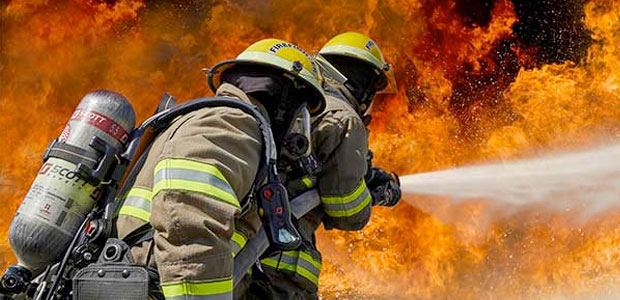
Don’t let your industrial fires get out of hand—or happen at all. Here are some factors to consider.
Episode 10
Editor Sydny Shepard sits down with LJB Inc. Principal Thom Kramer to discuss OSHA's updated regulations on fall protection and walking-working surfaces.
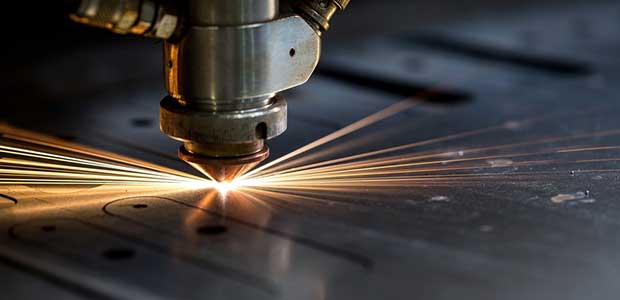
Laser safety is a commonly misunderstood topic. Here are several of the major hazards of industrial class 4 lasers, and the current methods of protection.
From grain handling operations to heavy blast material, pit cleaning with vacuums allows workers to clean outside of confined spaces.
Episode 8
OH&S Editors Sydny Shepard and Amanda Smiley discuss the newest updates related to the Coronavirus, or COVID-19.

Confined spaces pose a number of physical and environmental hazards to a worker—and it’s critical that employers understand the risks, those most vulnerable and hazard mitigation techniques.

As the coronavirus sweeps across the globe, companies are wondering how to keep workplaces—not just individuals—safe from the disease. Read OSHA’s recommendations here.

In the wake of the coronavirus anxiety, healthcare workers say they do not have access to enough protective gear and protocols to protect themselves.
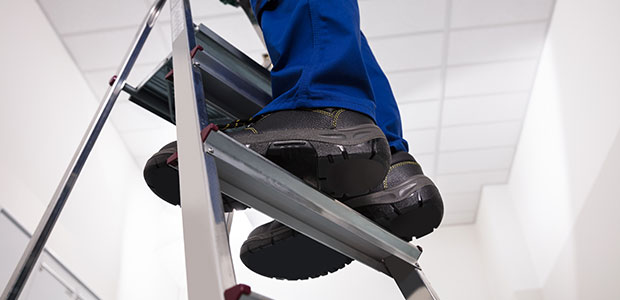
March is Ladder Safety Month. Here are some important ladder safety reminders to avoid accident and injury.

Connected and responsive technology can help improve security strategies within facilities, especially during emergencies.
Dollar Tree Stores Inc. has received OSHA citations for exit and storage hazards and faces $296,861 in penalties.
OSHA has launched an initiative to focus more agency inspections on reducing workplace hazards that could lead to amputation injuries in the Pennsylvania manufacturing industry.
The key to a good leader is not just someone who asks the “why” behind a problem; they also ask the “what” and the “how.”
Gravity sees all of us as equals, and it’s the force responsible for one of the most common types of workplace injuries: falls.
Workplace noise measurements are critical to keeping workers and workplaces safe; make sure your noise dosimeters are appropriate and up to snuff.

It all loops back to safety.