
The National Safety Council and NCCCO Foundation highlight the dangers of heat exposure in crane operations and outline practical solutions including education, policy updates, and technology.

A new funding opportunity supports the development of creative tools to improve safety and health training for workers in high-hazard industries, from forestry to construction.

A successful safety footwear program goes beyond compliance—it delivers visibility, selection, service, and employee-centered protection that reduces injuries and supports a strong safety culture.

Citing limited benefit and existing recordkeeping requirements, OSHA ends its rulemaking effort to add a musculoskeletal disorders column to the OSHA 300 Log.

The Mine Safety and Health Administration moves to limit discretionary enforcement by district officials, citing legal and constitutional concerns.

Labor Secretary Lori Chavez-DeRemer’s plan to cut 63 federal rules signals a major shift—safety pros must stay vigilant as deregulation reshapes compliance, training, and oversight.

AI-powered tool delivers instant, multilingual safety guidance to help professionals reduce risks and make faster decisions on the job.

The National Safety Council has realigned its executive leadership, naming Nick Smith as president to strengthen its focus on safety innovation and program delivery.
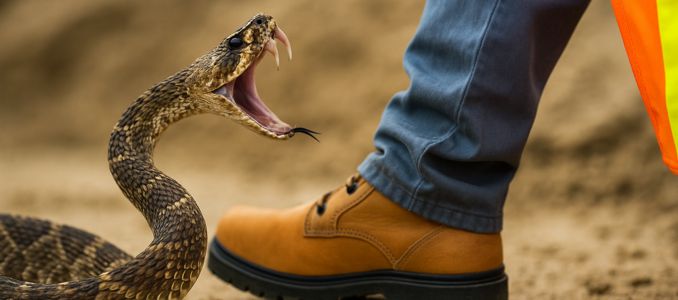
Wildlife hazards in the workplace are rare but real. Planning and training can make all the difference.

Managing noise at work protects hearing, boosts productivity, and ensures compliance.

Good safety systems help spot problems early and keep workers safe.

Sudden cardiac arrest can strike anyone, anywhere. Here’s what your organization needs to know about AEDs and how fast action can save lives.

OSHA’s new construction PPE rule reflects a changing workforce.

Air quality in confined spaces can change in an instant—and assumptions can be costly. Here’s why continuous monitoring and critical thinking must guide every entry.

Timely access to eyewash stations can make all the difference in preventing eye injuries in hazardous work environments. How can safety managers keep them accessible, and ensure compliance for faster, more effective emergency response?

OSHA sets the baseline for fall protection—but is that really enough? As fall-related fatalities continue to rise, safety leaders must rethink their approach, with or without regulatory oversight.

Simply collecting safety data isn’t enough—workers must be able to easily find, understand, and act on it to stay safe.