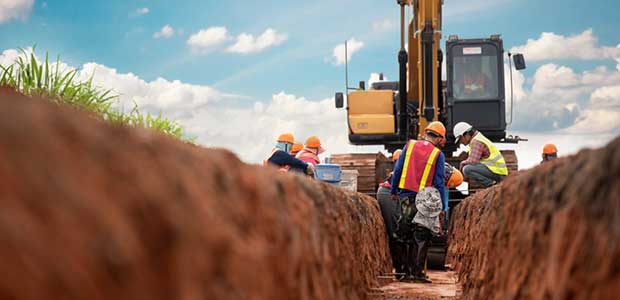
The consequences of unsafe trench, excavation work can be fatal.

There is still a lot to consider when it comes to fully protecting workers form arc flash and electrical shock hazards.
An increased reliance on occupational health means renewed interest in unique benefits.
Canada has just announced that it will be investing millions of dollars to mitigate COVID-19 risks at meat processing plants.
This year will be one of transformation for supply chains, and this change will be for the better.
The facility was found to have not trained their workers on the importance of lockout/tagout when conducting maintenance activities.
Workplace safety and health is a much discussed topic. What are employers doing about it?
Yorlanda Fisher, President of Warriors 4 Safety, writes about the divide found amongst safety professionals when it comes to training versus education.
A new survey finds that employers believe “impairment” at work means more than the results of substances.
Under the new legislation, coronavirus testing for transportation workers would be prioritized.
Safety professionals are encouraged to participate in the Fall Experience Survey by April 30.
Efforts to curb the transmission of contracting COVID-19 by handwashing has lessened according to an annual survey from Bradley Corp.
Companies are still struggling to find time to train employees on workplace safety. Others can’t verify if their training programs are effective.
Trinity Rail and Maintenance Services Inc. was cited for 11 serious violations after the death of two employees in August.
While this guidance does not create new legal obligations, employers should note that new legal obligations from OSHA relating to COVID-19 are likely forthcoming.
Workers in North Carolina are advocating for a statewide COVID-19 workplace mandate.
Industry experts have praised Virginia’s Jan. 27 COVID-19 worker safety rule.