What are safety certifications? How do they help your career? Columbia Southern University (CSU) provides helpful information for your safety certification questions.
The Master of Science in occupational safety and health is Columbia Southern University's latest Qualified Academic Program. Here's what you need to know about the program and its many benefits.
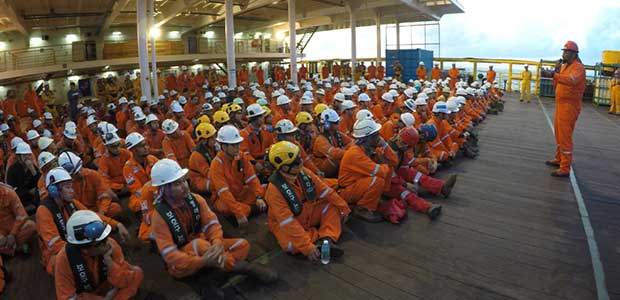
Challenges like inconsistency and meaningless data hold many companies back. But is it actually worth it to use leading indicators? The answer is a resounding 'yes.'
As the country reopens, NSC safety advocates warn employers to prepare for a surge in addiction issues and offer guidance for proper handling.
Hiring neurodiverse employees is shown to improve workplace productivity and functionality. Here are some laws you need to know when hiring and employing neurodiverse individuals.

Over the last few months, Examinetics has collected information from audiologists on hearing conservation programs and hearing health in general. Read the Q&A here!
Detailed recordkeeping is an essential aspect of any compliant training program. In addition to simplifying tracking, documenting your training can assist in determining when refresher or annual training is needed. Plus, training records are sure to be reviewed during an OSHA inspection to ensure your organization is in compliance, so it pays to be thorough.

Workplaces across the nation begin to reopen, but not all are operating with the same methods, or cautions. Here’s an outline of what each state is doing, according to a June 4 NPR article.
A recent NPR article explains how the meatpacking industry is not the only food industry facing COVID outbreaks. The seafood industry in the Pacific Northwest in particular had 92 of its employees on one ship fall ill.
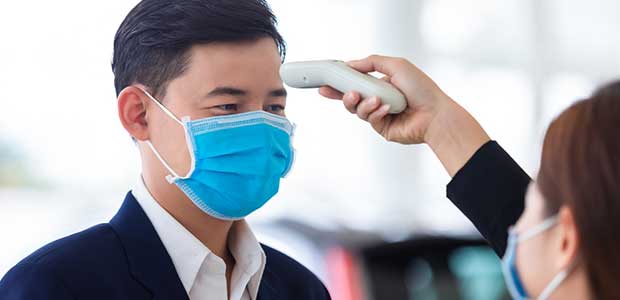
With little federal guidance on how to reopen and operate workplaces during and post-pandemic, employers are questioning their responsibility to test or not test employees for coronavirus.