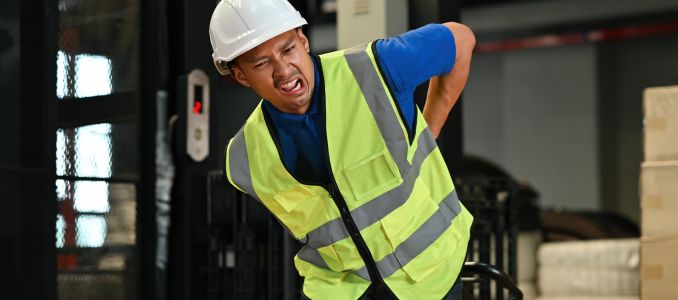
Traditional classroom training rarely changes how people work. Microlearning—short, focused, practice-based modules—helps employees master safer techniques, improve comfort, and reduce injuries by making ergonomic strategies tangible and repeatable.
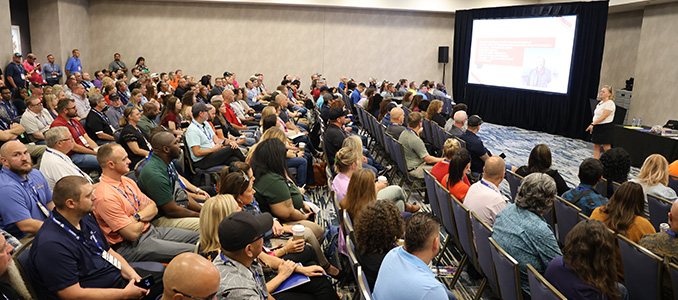
VPPPA has opened its call for workshop proposals for the 2026 Safety+ Symposium in Nashville. Submissions are due December 9, with priority topic areas including safety leadership, PSM, SHMS lessons learned, and construction safety.

As AI tools become part of everyday work, employers are using technology to detect hazards and strengthen training—but true protection for young and inexperienced workers still requires awareness, communication, and a strong safety culture.

NSC received nearly $1.3 million in federal grants to grow its employer roadway safety programs in four states with free training and resources to prevent crashes and injuries.

J. J. Keller’s new CTRE™ program offers fleet professionals advanced, hands-on training in the Federal Motor Carrier Safety Regulations, including driver qualification, hours-of-service, vehicle compliance and audit preparation.

Retired Occupational and Environmental Health and Safety professionals continue to shape the field through mentorship, teaching, and advocacy—ensuring that the next generation carries forward a legacy of prevention, ethics, and worker protection.
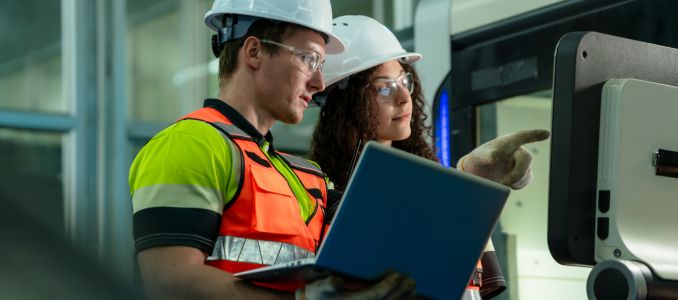
The Connecticut Department of Labor will use new federal funding to expand workforce development and integrate occupational safety training across construction, manufacturing, healthcare, and transportation sectors.
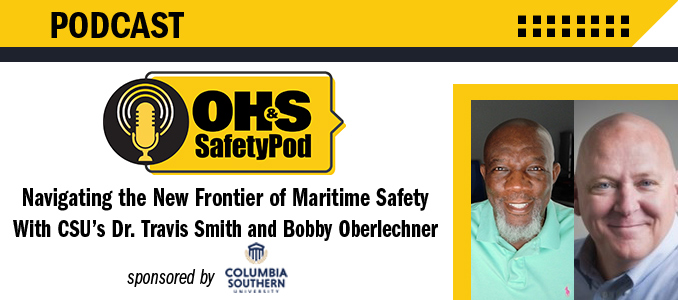
OH&S SafetyPod welcomes Columbia Southern University’s Dr. Travis Smith and Bobby Oberlechner to discuss the university’s new maritime safety degree program and how it’s preparing future leaders for complex, high-risk maritime operations.
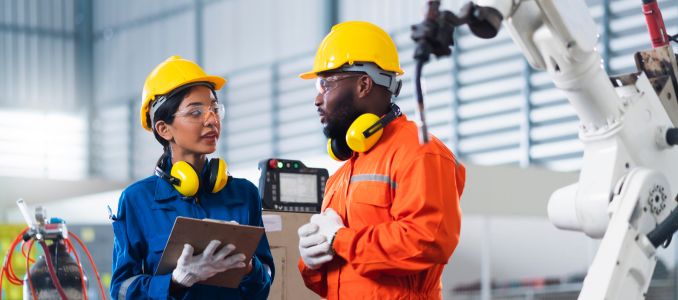
A proactive approach to safety helps organizations prevent injuries, avoid costly OSHA violations and foster a strong safety culture built on accountability and communication.

Michigan small businesses with 250 or fewer employees can apply for MIOSHA’s MIWISH grant program, which provides up to $5,000 in matching funds for safety equipment and training to reduce workplace injuries and illnesses.

A new CPWR and Dodge Construction Network report shows progress on heat safety and worker well-being programs, but smaller firms lag behind in implementation and data use.

A new statewide program will allow building trades apprentices to earn college credit for their on-the-job training—linking hands-on experience to academic credentials and career advancement.

High school students across Oregon are encouraged to use their creativity to promote heat illness prevention through the 2026 Oregon Young Employee Safety (O[yes]) Coalition Media Contest, organized in partnership with Oregon OSHA.

Winter’s harsh conditions can expose weak spots in workplace safety programs, making it the perfect time for employers to test their safety culture’s resilience and strengthen protocols before accidents happen.
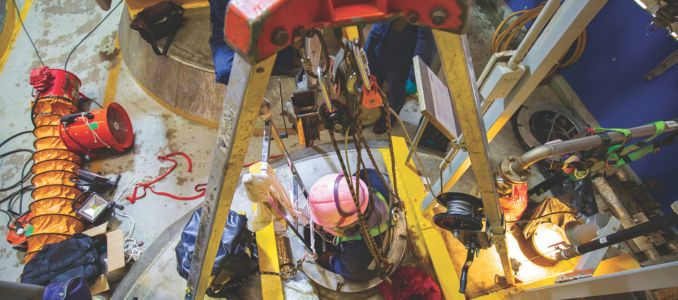
Confined space entry has been a well-known hazard for decades, yet fatalities persist. Blackline Safety’s Todd Connolley explains why complacency remains a top concern and how to combat it.

A single roadside moment can shift risk from company to family. Here is how to see it sooner and lead better.
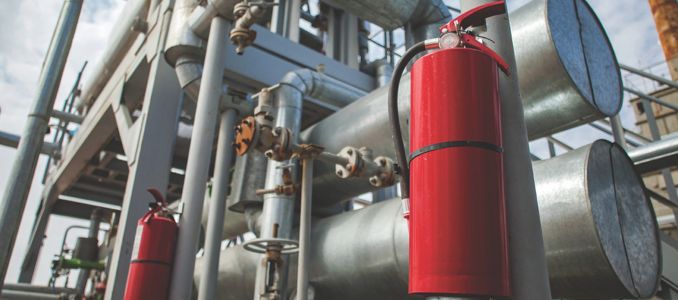
Two experts explain how digital fire training tools deliver realism, repeatability, and safety without disrupting operations—helping safety professionals build competence and confidence across diverse workplaces.
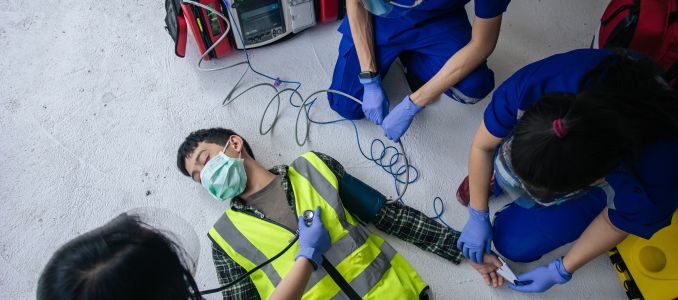
Fast action saves lives: equipping workplaces with AEDs and CPR training dramatically improves survival chances during sudden cardiac arrest.
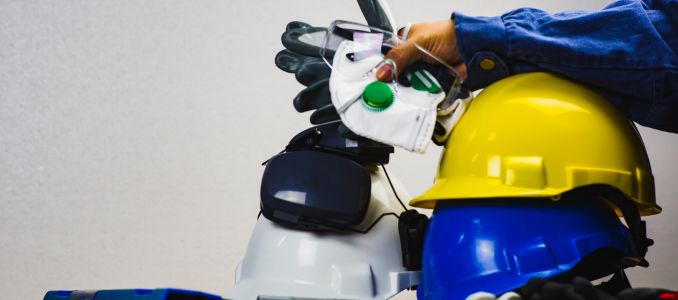
When PPE fits well and supports employee wellness, workers feel valued, stay protected, and drive a stronger culture of safety, comfort, and compliance across every shift.
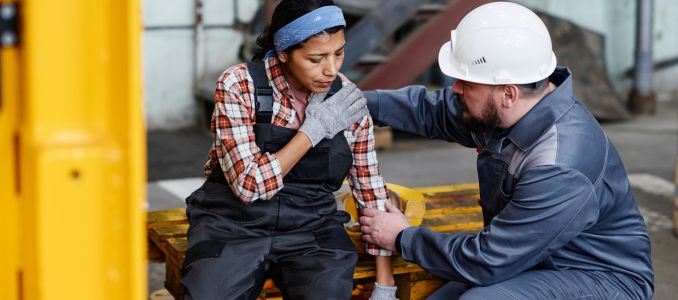
Pie Insurance’s latest workplace safety survey reveals key trends impacting small businesses, from rising injury costs to growing concerns about employee wellbeing.