A new Safety Champions Program aims to help employers strengthen workplace safety through a voluntary, structured framework.

State safety officials launch an outreach campaign to prevent excavation fatalities and provide technical training for Michigan employers.
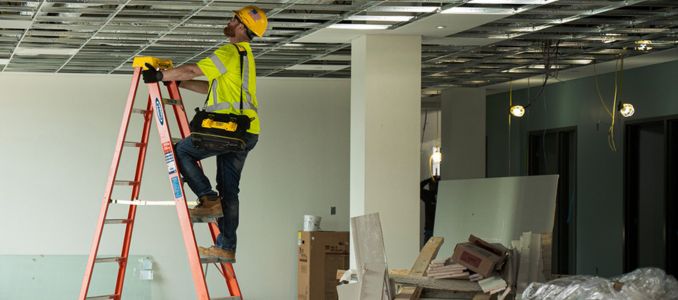
The American Ladder Institute marks 10 years of its safety campaign with free turnkey resources and webinars for EHS managers.
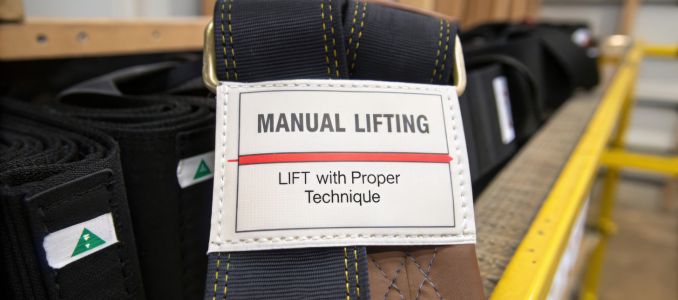
Ergonomics training is only effective if workers and supervisors truly understand it—plain language reduces confusion, improves engagement, and strengthens injury prevention efforts.
The Oklahoma Department of Labor invites high school students to enter the 2026 Speak Out for Workplace Safety video contest promoting youth workplace safety awareness.
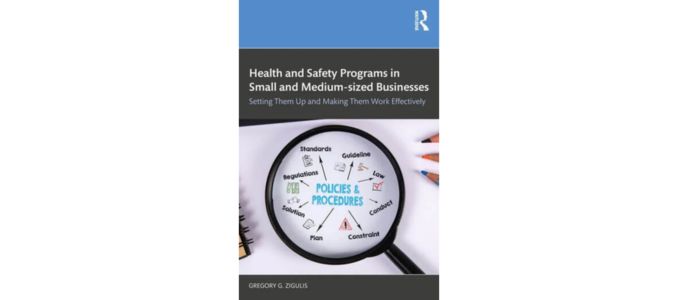
"Health and Safety Programs in Small and Medium-Sized Businesses: Setting Them Up and Making Them Work Effectively" offers practical guidance to help organizations.

February classes cover mine safety, respiratory protection, industrial hygiene, and fire department operations.
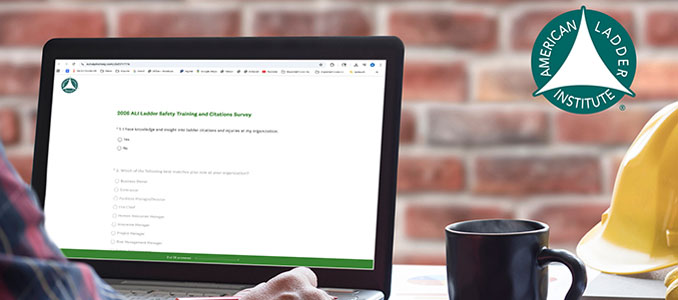
Survey will track ladder safety training, injuries, and OSHA citation trends across U.S. workplaces.
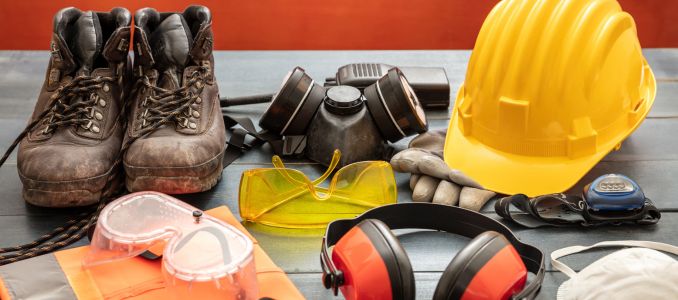
A free, multilingual publication aims to help Oregon workers recognize workplace hazards, understand employer responsibilities, and take action to protect their safety and health.

Research shows that compliance-focused safety training alone rarely delivers lasting risk reduction, prompting calls for competency-based, risk-informed learning models.

Funding through the YouthBuild program aims to prepare young people ages 16–24 for careers in construction, manufacturing, IT and health care through training and apprenticeship pathways.

New data highlight differences in preparedness, training, and employer trust as Gen Z and millennial workers encounter legacy hazards on older job sites.

The new federal program aims to expand registered apprenticeships in advanced manufacturing, strengthening workforce training and supporting safer performance in safety-sensitive roles.

As wildfire risks grow nationwide, NFPA’s 2026 Wildfire Community Preparedness Day funding highlights the increasing overlap between community resilience and occupational safety responsibilities.
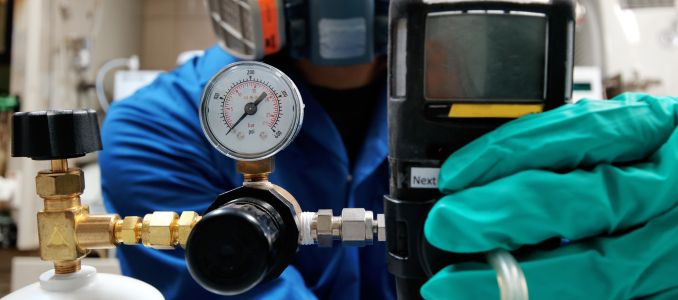
Effective training helps workers understand gas hazards, respond to alarms, and reduce exposure to toxic, flammable, and oxygen-deficient atmospheres.

Federal funding from the U.S. Department of Labor, administered by MSHA, will support mine safety and health training programs nationwide, expanding education and hazard awareness in a high-risk industry.

Agency highlights training, supervision, and legal requirements as youth employment increases statewide.

The SafetyFOCUS education program offers expert-led training to help safety professionals build practical skills, earn CEUs and address evolving workplace safety challenges.

With thousands of training providers removed from the federal registry for non-compliance, J. J. Keller is offering a free ELDT Audit Checklist and its Safe & Smart® ELDT Trainer Certification Program to help motor carriers meet FMCSA requirements and avoid onboarding delays.

The Healey-Driscoll Administration has launched the SafetyWorks Initiative, providing funding to help employers enhance training, improve hazard prevention, and reduce workplace injuries across the Commonwealth.