
Episode 19
OH&S Editor Sydny Shepard discusses analyzing, studying and controlling hazardous dusts with Camfil APC's Jon Ladwig.
Many businesses in America are beginning to reopen or thinking about reopening. However, your employer should ensure he or she is making the following precautionary, coronavirus steps before operating as usual.
OSHA has cited healthcare company OHNH EMP LLC for violating respiratory protection standards following an inspection after the company reported the coronavirus-related hospitalization of seven employees.
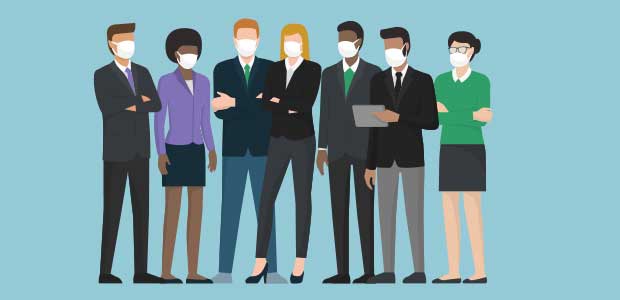
While public contact tracing apps released by governments have attracted much (negative) attention, business contact tracing solutions play a different but hugely important role in slowing the spread of Covid-19.

Frontline healthcare workers face enormous amounts of stress, and burnout is common. Here are six ways you can facilitate emotional wellbeing for your healthcare workers—just by rethinking the environment they work in.
If you are a small business that has decided to reopen for business, how can you work to create a safety culture, now and in the age of ‘the new normal’?

It’s critical to consider how factors like emergency management, patient flow, security, life safety and infection prevention and control all are affected by construction, and endeavor to minimize the impact work has on occupied spaces.

The world today seems far from "normal." However, managers and employers need to understand how to implement the "new normal" for their workers through leadership, communication and input.
A handful of speakers talked about human error during the three days of ASSP Safety 2020 Virtual. Here are some of the trends and key takeaways.
As the second day of ASSP’s Virtual Safety show for 2020 wraps up, I am absorbing as much as I can about the industry and what the future holds. One discussion I found poignant to myself—and nearly every industry person—was the discussion of Millennials in the workplace.
Industrial workplaces already have many components that need to be in check to keep workers safe. Luckily, Avery Products Corporation, ID&C and PC/Nametag launched a handful of new products to help industrial employees work safely.

The future of workplace safety post-pandemic will include new technologies, including contact tracing and PPE wearables.

Safety is as critical an element as production to an organization, but why doesn’t the message always resonate up to the top of every organization? Here are some checks and balances you can utilize to better prioritize safety.

After dentist offices were forced to close for nearly two months, they are finally able to reopen—but many are taking new and extensive precautions to protect against COVID-19 including better air filtration and more PPE.
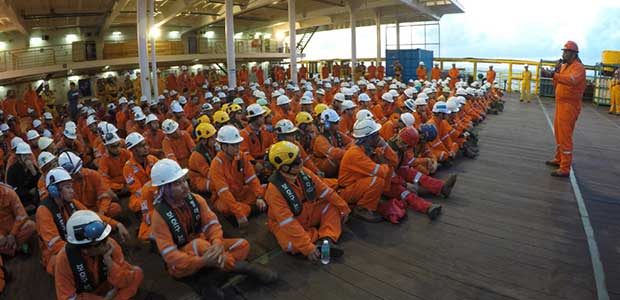
Challenges like inconsistency and meaningless data hold many companies back. But is it actually worth it to use leading indicators? The answer is a resounding 'yes.'

Workplaces across the nation begin to reopen, but not all are operating with the same methods, or cautions. Here’s an outline of what each state is doing, according to a June 4 NPR article.

With little federal guidance on how to reopen and operate workplaces during and post-pandemic, employers are questioning their responsibility to test or not test employees for coronavirus.
Despite the pressures leadership may feel to return to work, there is a core truth they may not want to face: Rushing back to the way things once were increases the risk of failure in the present.
Workers in office buildings may be at risk for exposure to COVID-19, so ensuring that the building is safe and prepared for in-person work is crucial for the safety of employees. See what the CDC recommends for your office building.

Electricity is part of our daily lives, and it’s important to understand the hazards it poses.