The question is: Why do workers continue to get injured on the job despite federal standards interjecting?
Red Wing Shoe Company to promote jobs, not boots, transforming its more than 525 stores into job centers and turning its customer service line into a job search hotline.

Should we not create a future where equipment enhances a worker’s ability to perform in demanding environments?

Industrial vacuums are the right tool for preventing secondary explosions.
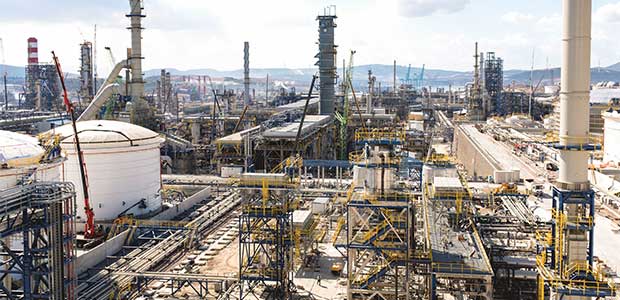
How data science helps to keep construction and maintenance projects on schedule and within budget.
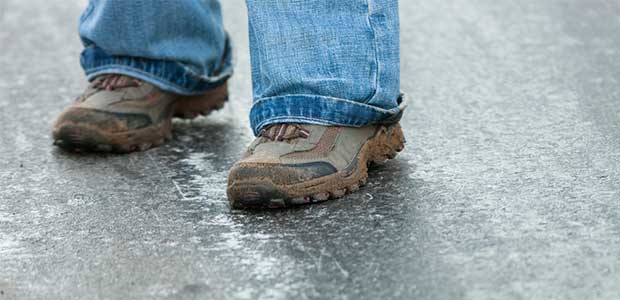
Fall is on its way, and so are cold and ice hazards. Make sure your business is prepared for the elements and your workers’ safety.
Industries should keep records of waste generation and testing, report any unprecedented events, be prepared to handle emergencies with trained professionals, and have reliable hazardous waste storage options such as tanks and containers

Episode 23
In this mini episode of OH&S SafetyPod, Editor Sydny Shepard discusses the NCS's prediction for road injuries and fatalities this Labor Day Weekend, the first confirmed case of COVID-19 reinfection and the new AIHA guidance for first responders.

Episode 22
Westex by Milliken's Scott Francis stops by the podcast to answer your most commonly asked questions about FR/AR PPE in different weather types.
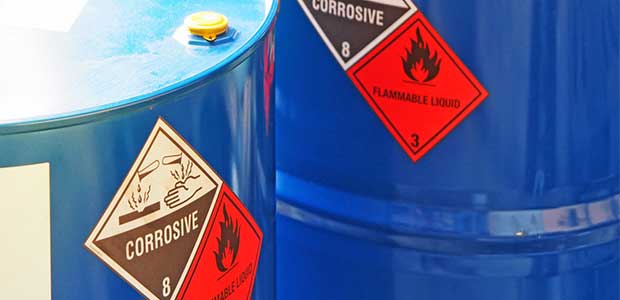
Although most facilities or homes will not store chemicals in massive quantities, improperly storing even a small amount of volatile chemicals can cause injury and even worse, death.
Recipients are those that have gone above and beyond to enhance safety in their respective areas.
At production sites, workers often interact with production processes and equipment such as pumps, furnaces and others. These pose numerous HSE hazards and a lack of basic understanding of their operations could lead to mishaps—sometimes with major consequence.
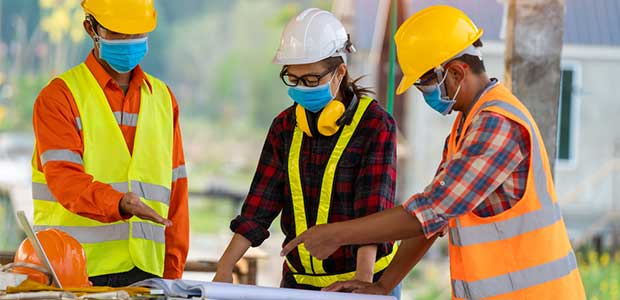
As businesses reopen and the workforce strives for normalcy, the challenge now comes with properly training employees to stay compliant, safe and healthy during this time.
Navigating the new “normal” in the midst of the pandemic goes beyond cleaning and disinfecting: you need to instill trust and peace of mind in your employees and guests.
Construction companies are familiar with safety and mess-control; however, with the COVID-19 pandemic, there are some more factors to consider when working at healthcare facilities.
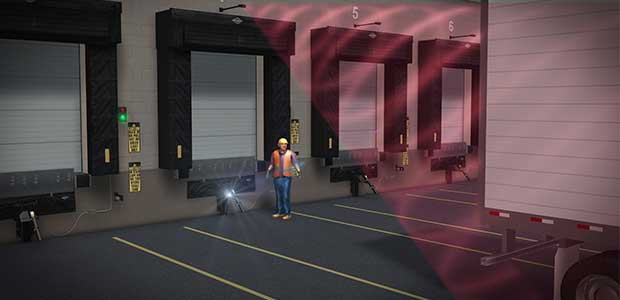
For most companies—particularly those involved in materials handling—concerns about safety regulations go well beyond mere avoidance of government fines or censure.
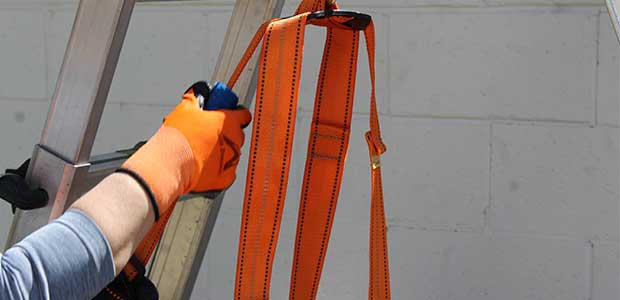
By now we all know to wash our hands, but what should be done with shared PPE, such as full body harnesses and fall protection lanyards?
However, it’s not always clear that going beyond just “expressing” value for safety is expected on all levels. Here are some self-reflective questions you can ask yourself to keep your company in safety check.
Many employers are preparing to have team members return to worksites as stay-at-home orders and restrictions ease, and here are some safety tips to keep in mind.
NIOSH and the CDC discuss the burden many healthcare workers face with prolonged use of PPE during long shifts. If your workers are required to wear PPE for long periods of time, be aware of these side effects and tips on how to mitigate harm.