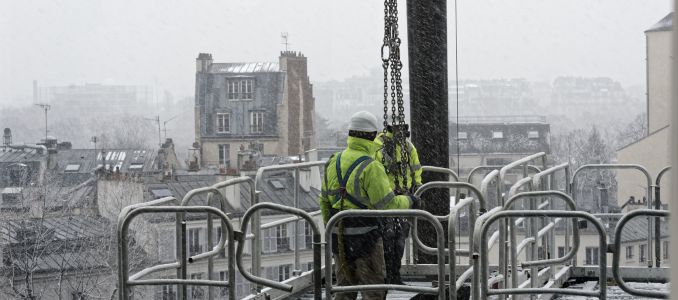
When Weather Becomes the Jobsite Hazard
From heat stress and dehydration to cold exposure and storm-related hazards, shifting weather patterns are increasing construction safety risks. Here’s how supervisors can plan and protect crews every season.
- By Emory Tischler
- Feb 27, 2026
In my role, I have watched a concrete crew in Nashville work through an unbelievably hot day. The following week, a cold front drove wind chills below freezing. These sharp swings feel like the new normal. After years on job sites, I’m reminded that weather poses a daily safety risk, and it is becoming increasingly challenging to navigate.
Construction has always meant work in the open. Heat waves, cold fronts and storms can turn a safe site into a risk zone in minutes. What’s changing is the scale and frequency of those threats. According to Climate Central, severe weather accounted for a record 21 billion-dollar disasters in 2025 (1). If you are responsible for safety in your workplace, you can’t ignore the weather. You need a plan that treats heat, cold, and storms as core risks, not seasonal tasks.
Building Through the Cold
Cold weather in construction significantly increases risks, with the Bureau of Labor Statistics reporting over 20,000 annual injuries from ice and snow, primarily slips, falls, and cold stress. Cold stress creates serious safety risks on construction sites. Hypothermia and frostbite can affect any crew working in winter conditions, especially when wind, wet clothing, and fatigue are involved. Cold exposure increases the risk of slips, trips, and falls, while slowing reflexes and reducing dexterity, making routine tasks more hazardous. By the time numbness sets in, the risk is already high.
Preventing cold-related injuries requires planning and consistency. Providing insulated, weather-appropriate gear, dry gloves, heated shelters, and regular warm-up breaks helps crews stay alert and safe. Supervisors should monitor conditions closely and encourage workers to speak up at the first signs of cold stress. Team leads should ensure that reflective clothing is not covered by jackets or other warm clothing, and that safety vests or jackets with high-vis integration are used. It’s equally important to stay hydrated even in cold weather. Many workers feel less need to drink water in cooler temperatures since they aren’t sweating as much, but hydration is always essential.
Weathering the Storm
Natural disasters used to feel few and far between. But as the frequency of billion-dollar disasters has risen, the average interval between them has fallen from 82 days in the 1980s to 16 days over the last 10 years (2016-2025). The average time between billion-dollar disasters in 2025 was just 10 days (2).
Storms and rapid weather shifts pose serious risks on construction sites. As we rapidly head into tornado season in Tennessee, high winds, lightning, and flash flooding can shut down a site in minutes, turning unsecured materials and exposed equipment into hazards. The safest projects establish clear thresholds for stopping work and have fast, reliable methods for communicating when conditions change. Supervisors and planners should walk the site before incoming storms, identify pathways for water to flow through the job, and plan areas that may be needed to daylight drainage toward the intended areas. This will prevent hazardous conditions and expedite the site’s drying, allowing it to resume operations. In case of wind, secure all loose materials with tie-downs or anchors, and avoid unbundling wrapped material to protect it.
Some may see this as common sense, but real-world pressures to meet deadlines can lead to shortcuts. That’s where leadership matters. Safety isn’t a checklist; it’s a way of working.
Working Smart in High Heat
Heat is one of the most serious and underestimated risks on construction sites. Many crews don’t realize how quickly heat stress can escalate, even in the early part of the day. According to OSHA, most outdoor fatalities, 50 percent to 70 percent, occur in the first few days of working in warm or hot environments (3). Too often, workers begin the day already dehydrated, pushing through demanding tasks before the sun peaks and missing early warning signs like dizziness, confusion, and muscle cramps.
We’ve learned that an effective heat safety plan goes beyond water and shade. It starts with training and trust. Heat illness comes quickly and is often unrecognized by the affected person until it is too late. It is crucial to ensure the team checks on one another and stays hydrated to avoid heat-related injuries. Hold daily meetings with crew members to discuss high temperatures before the day starts, and encourage leads to set up reminders for crew to take breaks, seek shade, and hydrate throughout the day. We make one thing clear: no deadline is worth a life, and anyone who needs to stop and cool down has our full support.
Safety in Any Weather
Weather disrupts 45 percent of projects: Adverse weather affects nearly half of construction projects globally, resulting in billions in additional costs annually. Prioritizing weather safety on construction sites isn’t just a regulatory obligation; it’s a commitment to protecting workers’ lives and maintaining project continuity. By staying informed, planning and equipping crews with the right tools and protocols, construction teams can minimize risks from heat, cold, storms, and other hazards. A proactive approach to weather safety not only safeguards people but also strengthens productivity, reduces downtime, and fosters a culture of responsibility that benefits everyone on and around the site.
Whether it is hot or cold, there is an added risk to the already dangerous risks we take in construction. Staying informed about the risks posed by weather prevents injury and saves lives. Don’t be afraid to hold crew members accountable if they’re unprepared for a long workday in the elements; you may just save their lives.
References:
- https://tinyurl.com/55ruszuj
- https://tinyurl.com/mrf5vpy2
- https://tinyurl.com/8h3ufj7j
This article originally appeared in the February/March 2026 issue of Occupational Health & Safety.