There are many factors to consider when saying “radioactivity is hazardous.” Here is an attempt to summarize them in five points.

How do we protect employees at work post-pandemic? Contact tracing might be part of the answer.
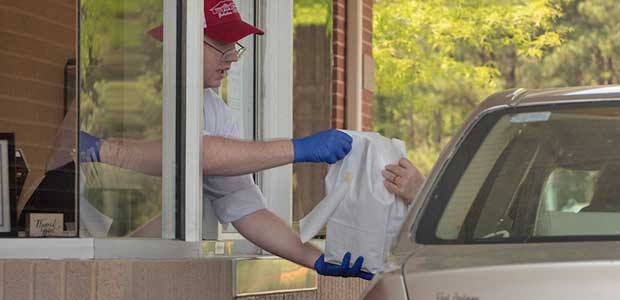
Mask ordinances vary by state and county, and many people believe the US is past the worst of the pandemic. But as workers in essential business are saying, they feel safe among themselves (with PPE and sanitation), but many customers are throwing caution to the wind.
Canadian Occupational Safety Magazine shared an article on food safety during the COVID-19 pandemic, and you might want to check out some of their tips.

Connected safety and data collection are crucial to worker safety—but maybe now more than ever during the pandemic and its many remote workers. Read what Blackline Safety’s CEO Cody Slater thinks about the role of connected safety today and tomorrow.
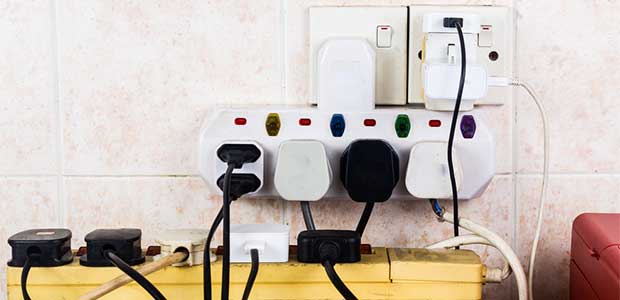
Although staff no longer must make the commute into the office, safety hazards can and do still exist in the home. Here's your WFH safety checklist.
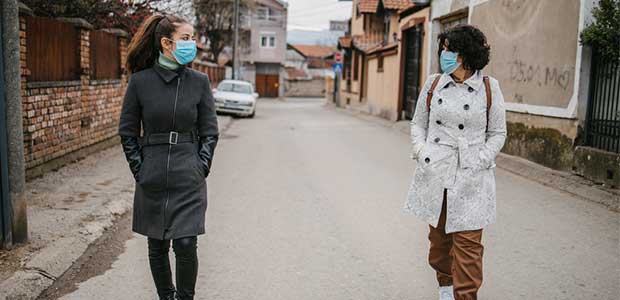
One Dartmouth Professor and scientist’s blog post on the science behind the coronavirus and what it takes to get infected has gone viral—and the explanations are straightforward and easy to understand.
The Department of Labor just issued safety tips for employers to protect retail pharmacy workers from exposure to the coronavirus.
A new bill in Maryland requires employers to protect employees from heat-related illness caused by heat stress.

The foundations of return-to-work will be built on three primary areas: awareness, communication and action. All of them can be achieved through technology and data collection.
A recent news release from OSHA gives tips for workers in the dental industry to protect themselves from coronavirus exposure.

Keeping workers healthy with vigilance and common sense.

Industrial hygiene is crucial for controlling chemical hazards by enacting deliberate and systematic protective measures.
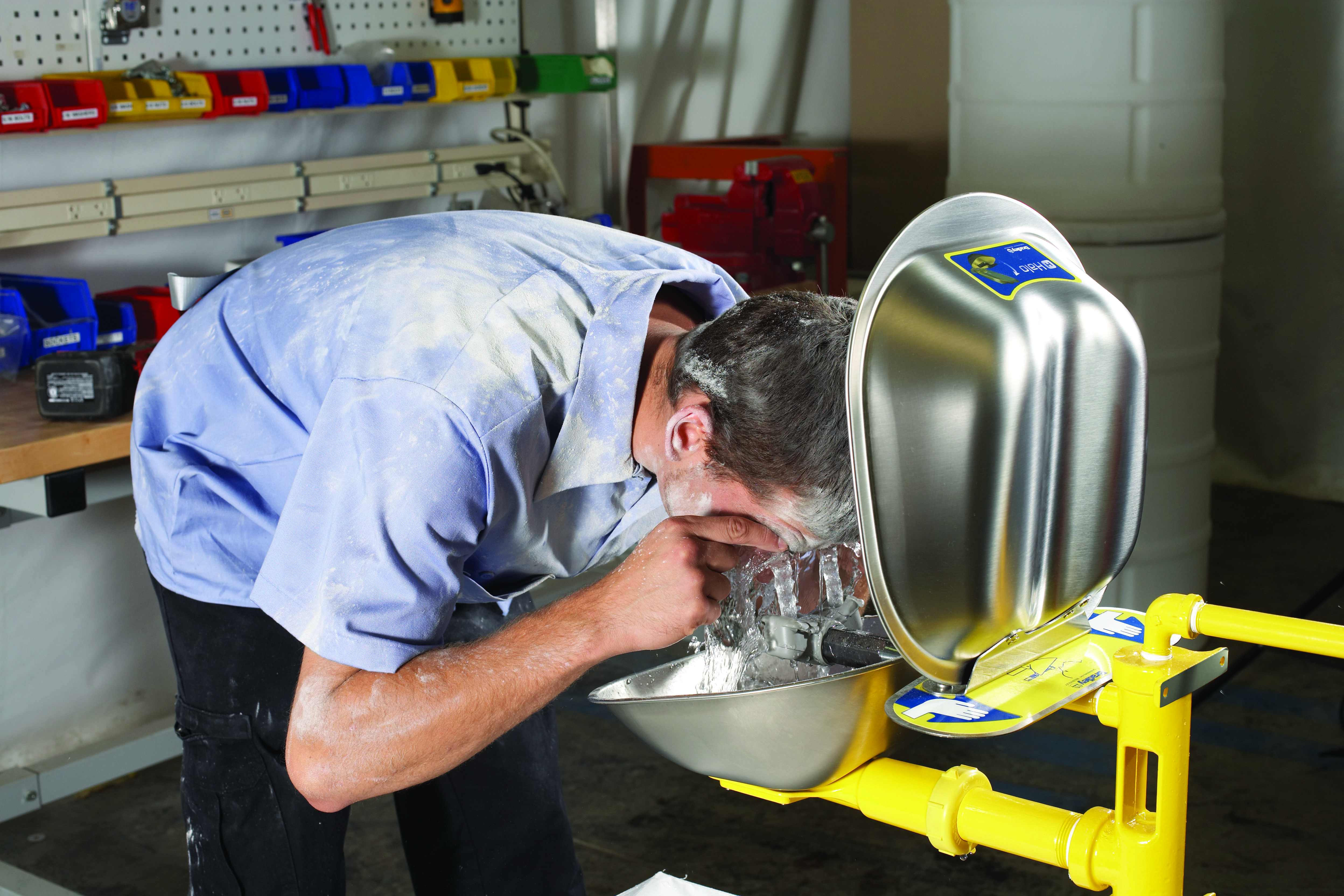
The need for sufficient and properly working emergency eyewash and shower devices in workplaces is real and pervasive.

You may be entitled to asbestos compensation. Find out if you are eligible.
Last week, the Department of Labor released additional interim enforcement guidance on reusing disposable N95 filtering face piece respirators that have been decontaminated.
The questions of when and how the country will open after this global pandemic are undeniable ones, but there’s no doubt employers will have to operate workplaces differently. The National Safety Council and others are working to help them in that process.

One popular question is: are workers eligible for workers' compensation benefits if they are exposed to COVID-19 on the job and must be out of work?
The CDC published an interim guidance for critical workers who may have been exposed to a person with suspected or confirmed COVID-19.
Last week, OSHA announced that it understands employers may have difficulty complying with OSHA standards due to the pandemic, and it will use discretion when considering employers’ “good faith efforts.”