
As standard operations and the pace of production starts to revert to normal, both employers and employees must consider the possibility of physical deconditioning.

As businesses reopen and the workforce strives for normalcy, the challenge now comes with properly training employees to stay compliant, safe and healthy during this time.

Agriculture farms continue to operate to grow crops and feed the country, but with minimal federal protections against the coronavirus, many farmers are worried about contracting the virus on the job.
Get ready for a “mega-campaign” of flu immunization efforts across the country in parking lots, doctors’ offices and socially distanced appointments. Here’s why it’s important, and how to do it safely.
Collecting, coding, analyzing and reporting industry and occupation data from COVID-19 cases is crucial to informing public health strategies to reduce the impact of the pandemic on workers. One NIOSH article gives some examples.

As the school year begins, a national poll and NPR article show that most teachers have significant concern about returning to the classroom, and most prefer to start the year online.
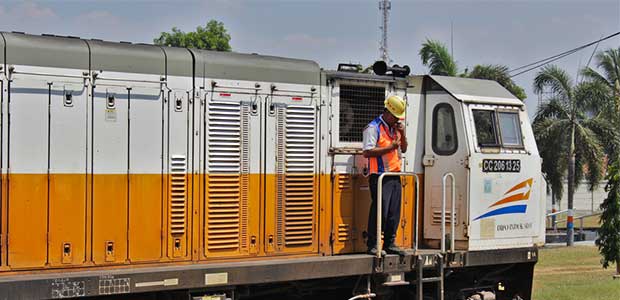
A Q&A with worker safety professional, Tom Lotz, on how the pandemic has changed lone worker safety.
AIHA announces free educational guide and resources for construction industry.
Navigating the new “normal” in the midst of the pandemic goes beyond cleaning and disinfecting: you need to instill trust and peace of mind in your employees and guests.
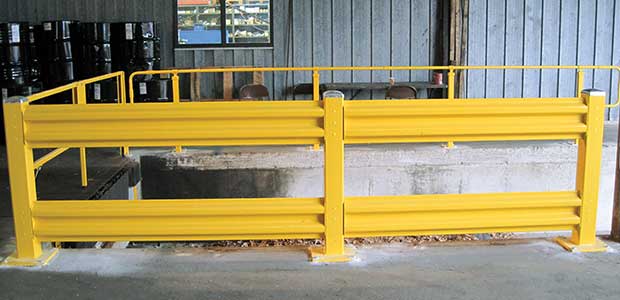
Guard rail is one of those components in a facility that typically is not top-of-mind with companies until it’s too late.
Wireless gas detectors are changing the way we work in confined spaces.
Here are a few guidelines for staying in compliance with eyewashes, eye/face wash combos and drench showers.
More businesses are focused on providing environmentally friendly products, and consumers are educating themselves about the companies they support.

New York University’s School of Global Health to study the physical and mental health impact of COVID-19 on transit workers.
An OSHA guide helps define work-related asthma, informs you why you should care and tells you what to do if you have asthma from work.
Every year, thousands of workplace injuries and illnesses occur. No matter how prepared you are for the next incident, it is clear organizations could use some help. Check out OSHA's top 10 violations and ways you can actively prevent them.
You can participate in OSHA’s Safe + Sound week next month to commit to workplace safety and health. This nationwide event recognizes the successes of workplace safety and health programs and offers important information for the safety of America’s workers.
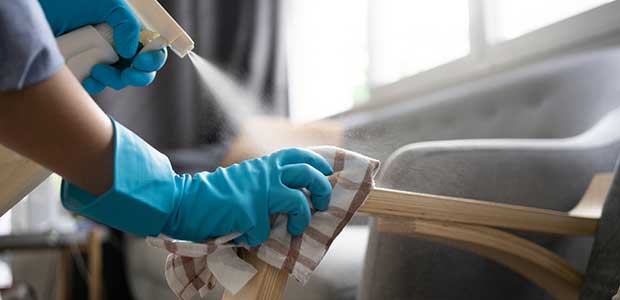
The pandemic is still here, but domestic helpers and housekeepers need to work and families want the services. How do both parties resume work safely? The answer is about trust, safety and communication.
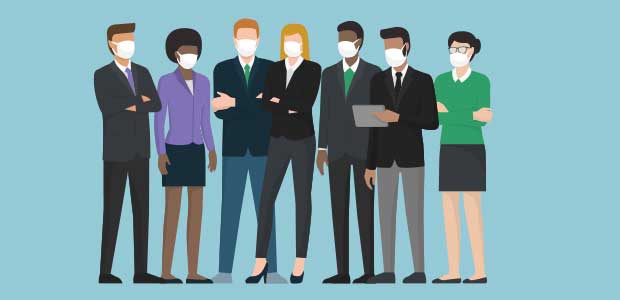
While public contact tracing apps released by governments have attracted much (negative) attention, business contact tracing solutions play a different but hugely important role in slowing the spread of Covid-19.
The use of wearable technology has opened a new era in ergonomics, and it is a game changer for risk assessments.