The agency's inspection found that the facility, which uses large amounts of anhydrous ammonia in its refrigeration system, had not conducted a proper evaluation of hazards and that standard operating procedures were either incomplete or had not been developed for all system activities, among other things.

The February 2008 explosion and fire at the Imperial Sugar refinery in Georgia sparked attention and concern about combustible dusts. The company's computer-based training teaches workers about dust, food safety, emergency preparedness, and heat stress.

"Too many farm family members and hired workers are getting hurt and dying on farms," said ASSE Director of Member/Region Affairs and agricultural safety specialist Terry Wilkinson, Ph.D., CSP, CAE. "A combined effort by the safety professionals and agricultural community can lead the industry into a new direction to prevent future traumatic injuries and illnesses."

Better packaging standards would provide protection from mercury vapor emissions from this source.
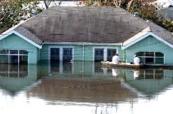
Having well-documented information about the pre-disaster condition of your facility helps you pinpoint the spots that are at greatest risk.
"We believe that this agreement represents a fair and just resolution of this matter and, hopefully, will serve as a warning to all businesses that generate wastewater that they must abide by all requirements of their discharge permits," said U.S. Attorney Nora R. Dannehy.

Bringing new technologies to market with a goal of keeping costs where less-affluent countries can afford them, MedPro Safety Products Inc. wants to address the home health market, as well.

OSHA issued about $1 million in fines against two of the companies that were charged in the Aug. 27 indictment, which was announced the following day by U.S. Attorney David Gaouette, shown here.
"One wrong step can end a worker's career or life," said Kay Gee, OSHA's acting area director in Manhattan. "We want to emphasize to all contractors the importance of supplying effective fall protection safeguards and training to their workers."
"Different companies. Different worksites. Similar issues. Trench work can be extremely dangerous," said OSHA Regional Administrator Greg Baxter.
An Emergency Use Authorization (EUA) authorizes the use of unapproved medical products or unapproved uses of approved medical products during a declared public health emergency.
Of the 39 percent who reported they do not plan to get the shot, 13 percent said they would if their employer offered it.
The intensive weeklong event, Feb. 14-20, will include more than 50 seminars ranging from one to three days in length on all manner of safety and health topics.
The greatest potential hazard from a leaking underground storage tank is that the petroleum or other hazardous substances might seep into the soil and contaminate groundwater, the source of drinking water for nearly one-third of all Americans, the agency noted.
An agency inspection identified dozens of instances throughout the plant where workers were exposed to possible lacerations, amputation, and crushing injuries from unguarded moving parts of mechanical power presses and other machinery as well as a lack of specific procedures to prevent the accidental startup of numerous machines during set-up, maintenance, and repair.
"It's critical that companies report the storage and release of toxic chemicals--if they don't, public safety is jeopardized in an emergency," said Edward Kowalski, EPA's Director of the Office of Compliance and Enforcement in Seattle.

Company officials announced Aug. 26 that the Institute, W.Va., plant will reduce its average inventory of highly toxic methyl isocyanate by 80 percent.
Consumers who have used the drug, marketed as Xenical and the over-the-counter medication Alli, should consult a health care professional if they experience symptoms possibly associated with development of liver injury, particularly weakness or fatigue, fever, jaundice, or brown urine, the agency says. Other symptoms may include abdominal pain, nausea, vomiting, light-colored stools, itching, or loss of appetite.
According to the national survey, 30 percent of Americans have not prepared because they think that emergency responders will help them, and more than 60 percent expect to rely on emergency responders in the first 72 hours following a disaster.
Managers at the cited companies in Alabama, Georgia, and Mississippi "have displayed a systemic indifference to the safety and health of their own employees, resulting in a dangerous work environment," said Cindy Coe, OSHA's regional administrator in Atlanta.