
The active use of the program by successful teams suggests that acknowledgement is critical to the success of these programs.
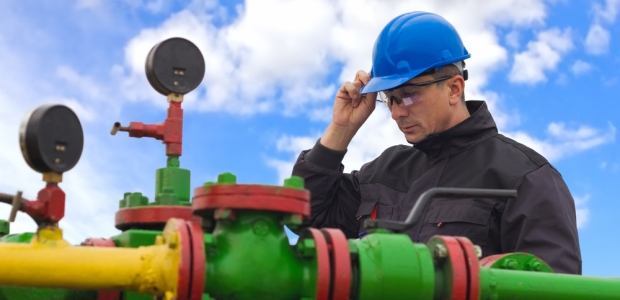
Exposures to hazards present in the oil and gas well drilling, servicing, and storage industry are addressed in specific standards for general industry.
The company's not in touch with many of the past winners of its annual scholarships and wants to hear from all of them in time for 2016's 30th year of the scholarship program.

Increased water breaks will increase employees' performance. Employees need to be alert not only for their own safety, but for the safety of their co-workers, as well.
Peter Greany of Work Care, Inc. gave his top ten list of ways to leverage collaboration with occupational health professionals.

When combining hearing protection with safety glasses, face masks, etc., ensure performance is not adversely affected.
"We understand the importance of this industry, but workers' lives should not be sacrificed for a better cell phone signal," said Dr. David Michaels, assistant secretary for occupational safety and health.

Refreshers and regular drills are essential for ensuring workplace safety.

Dallas welcomes participants in ASSE's annual conference and expo this month.

Beyond warning signs, there are a number of underlying causes that can trigger sudden cardiac arrest.