The bill amends the State Police, Illinois Police Training and Medical Practices acts and took effect immediately. It includes in the protected class physicians, physician's assistants, and advanced practice registered nurses with prescriptive authority who provide a prescription or standing order for epinephrine for an Illinois police department.
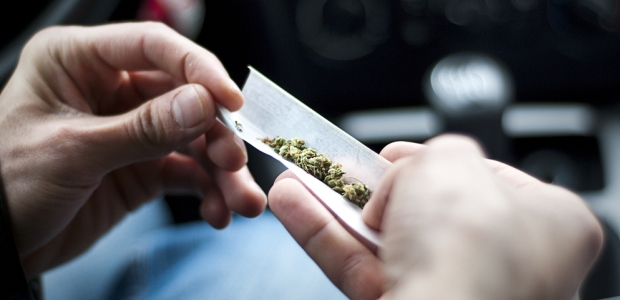
The three marijuana measures may cause confusion among voters, given that each proposes a different tax on retail sales of medical marijuana.
In addition to soliciting data from stakeholders on technology and practices that can improve safety conditions for miners, MSHA will provide technical assistance and develop best practices and training materials to raise awareness of hazards related to mobile equipment and belt conveyors.
The investment in the new center follows the recent creation of Boeing NeXt, which brings together researchers and projects across the company to shape the future of travel and transport.
The burn injury happened at a National Products facility where workers were carrying molten aluminum from one machine to another in ladles slung over their backs, and they were not wearing proper personal protection equipment.
OSHA has issued $370,358 in proposed penalties to Vigor Marine Inc. and cited the company for 16 willful and serious violations following an inspection at the shipbuilder's Portland, Ore., facility.

"It's an initiative for citizens and visitors of West Virginia to report issues regarding state roads. The Highways Response Team will be a go-to for reporting concerns," Gov. Jim Justice said.
The 64th ASF, a four-day event featuring sessions on cargo hold fire risks posed by lithium batteries in passengers' portable electronic devices, pilot wellness, and dealing with disruptive passengers, wraps up Aug. 2 in Washington, D.C.
Alejandro Sandoval and his company, Sandoval Construction, were sentenced after pleading guilty to false reporting and first-degree theft. Sandoval Construction has been ordered to reimburse the workers for their unpaid wages, and Sandoval will be responsible for unpaid workers' comp insurance payments to the state. Under separate civil proceedings, he also owes L&I at least $197,000 in unpaid premiums, interest, and penalties.
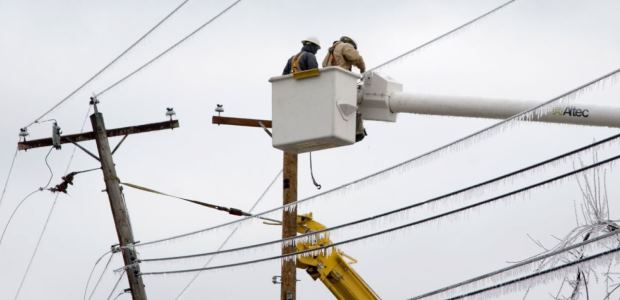
Want to improve safety culture? Try high-performance FR fabrics.