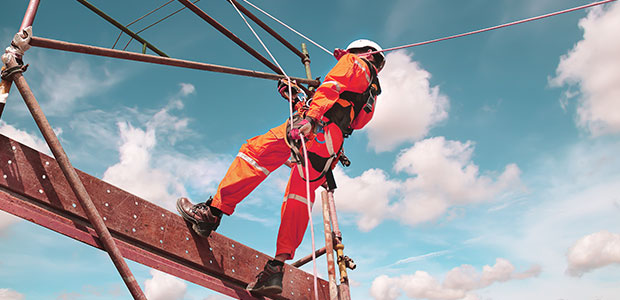
When it comes to identifying the most hazardous occupations in the USA, working in construction ranks very high on the list. Responsible for 20 percent of work-related deaths in 2013, the construction industry is known to pose several risks for workers in the sector.
Here are five occupations largely affected by mesothelioma--a disease that develops 20 to 40 years after exposure to a toxic substance known as asbestos.
The latest CDC data shows that flu season is in full swing, and about half the country has high or moderate flu activity.
Episode 3
Follow along as OH&S editors Sydny Shepard and Amanda Smiley discuss the top three safety trends of 2019 sponsored by Avery Industrial.

Quebec health officials are concerned concerned about plans for asbestos residue repurposing efforts, saying it should be banned. But one town meeting on the topic with 150 people shows that not everyone agrees.
Be careful out there. Your life may depend on it.
Given that OSHA rarely conducts an inspection that doesn't result in at least one violation cited, employers must be prepared should a compliance officer knock at the door. Read on to learn what steps you can take to ensure ongoing OSHA compliance.

It’s easy to get caught up in the holiday spirit and excitement—but let’s not forget the risks that come with decorations, house lights, Christmas trees, and winter weather.
Most of us tend to position ourselves in a way that makes us feel most comfortable because what feels best must be best, right? Well, this is not true—failing to take ergonomic precautions when it comes to sitting for a long period of time can result in several musculoskeletal disorders and seriously impact our health.
The state of Michigan is setting a high bar for ensuring safety training—a recent award of $870,000 supporting worker safety and health is going to over 20 nonprofit organizations.