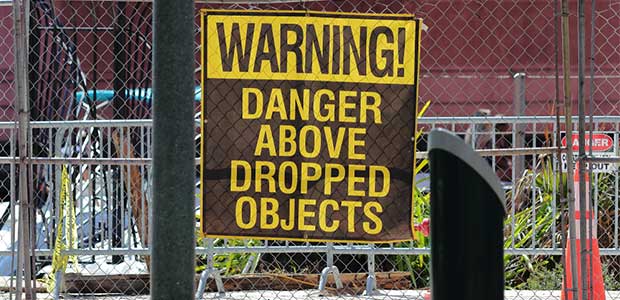
Tools are essentially for workers at height to do their job, but they also pose risks to those below.

Fire departments respond to nearly 280 industrial incidents involving static electricity each year.

None of us expect the unexpected. With 10,000 cardiac arrests in the workplace every year, you should understand the benefits of CPR training.
When working in environments of extreme heat, your clothing and its materials matter for your comfort and safety.

There is one major reason why safety training fails to stick: knowledge transfer.
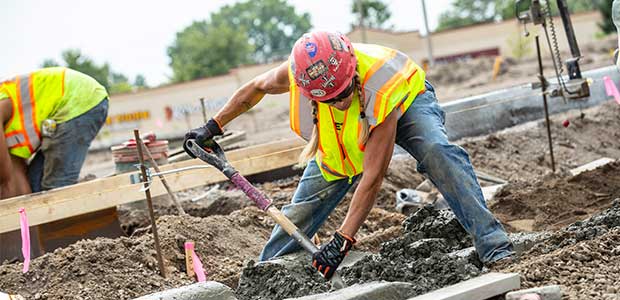
Those who do not respect the sun’s almighty powers may ultimately find themselves in a world of skin damage.

During a national crisis, substance abuse increases. That’s why keeping up your company’s drug testing is crucial, especially right now.

Given the current pandemic, it’s easy to postpone all but non-essential training; however, there are safe ways to train your employees while staying healthy.

Because the coronavirus infects us through the eyes, nose and mouth, proper PPE has become one of the most important tools during this pandemic. It’s crucial to pick the right eyewear for your safety.
In a COVID-19 world, social distancing and washing your hands are two of the most important safety measures. However, enforcing that in public and workplace bathrooms might be challenge.